
The Role of Nutrition in Mental Health
How What We Eat Affects Our Mood, Brain Function, and Overall Well-being
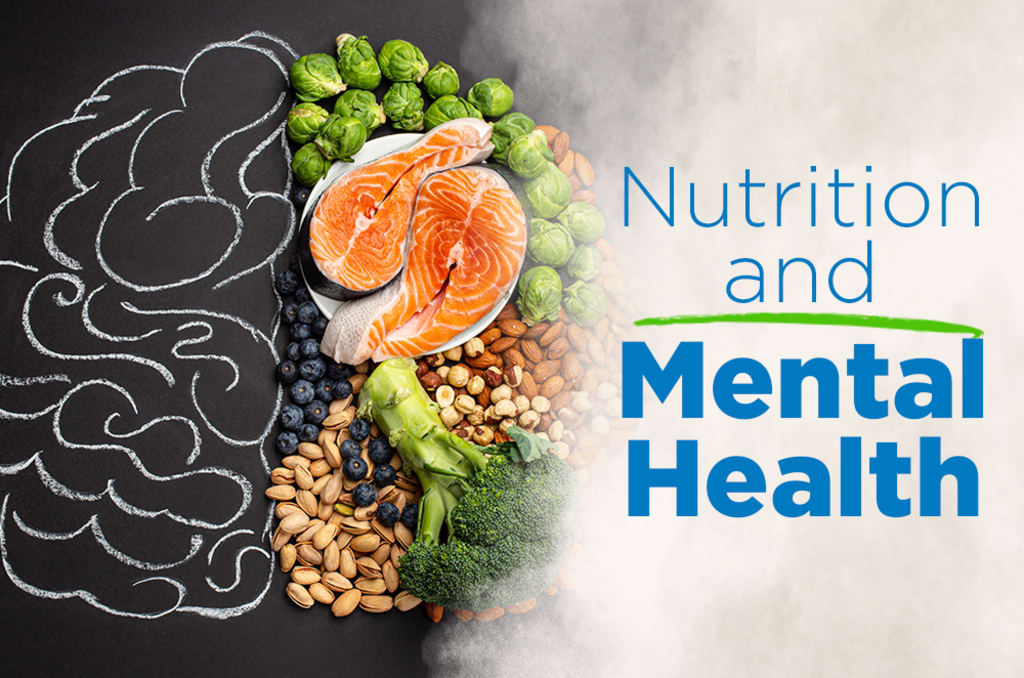
When we think about maintaining good mental health, therapy, medication, exercise, and sleep often come to mind—and rightly so. But there is another powerful factor that is sometimes overlooked: nutrition. What we eat every day profoundly affects our brain chemistry, our emotional balance, and our ability to handle stress. The emerging field of nutritional psychiatry is shining a light on the crucial connection between diet and mental well-being, demonstrating that food truly is medicine for the mind.
Our brain, although only about 2% of our body weight, consumes roughly 20% of our daily energy. To operate at its best, it needs a consistent supply of essential nutrients: omega-3 fatty acids, B vitamins, vitamins D and E, minerals like zinc and magnesium, and antioxidants. These nutrients support the brain’s physical structure, the production of neurotransmitters (chemical messengers), and protect brain cells from damage caused by stress and inflammation.
Omega-3 fatty acids, which are abundant in fatty fish such as salmon and mackerel, as well as in flaxseeds, chia seeds, and walnuts, play a particularly vital role. They help maintain the fluidity and flexibility of brain cell membranes, enabling effective communication between neurons. Studies have linked omega-3s to reductions in depression and anxiety symptoms, as well as improvements in memory and cognitive function.
B vitamins, especially B6, B12, and folate, are crucial for producing neurotransmitters like serotonin and dopamine, which regulate mood and emotional well-being. Deficiencies in these vitamins can increase vulnerability to depression, irritability, and fatigue. These nutrients are found in leafy green vegetables, legumes, eggs, and fortified grains.
Vitamin D, often called the “sunshine vitamin,” is produced in our skin when exposed to sunlight and is also present in some foods and supplements. Low vitamin D levels are associated with higher rates of depression, particularly in regions with less sunlight. Vitamin D influences brain chemistry and supports immune function, both essential for mental health.
Antioxidants, found in colorful fruits and vegetables like berries, citrus fruits, spinach, and carrots, protect brain cells from oxidative stress. Oxidative stress is a form of damage caused by free radicals—unstable molecules that can harm cells and contribute to aging and neurodegenerative diseases. Chronic oxidative stress is also linked to mood disorders, making antioxidants an important dietary component for brain health.
Gut health has emerged as another fascinating piece of the mental health puzzle. The gut-brain axis describes the complex, two-way communication between the digestive system and the brain. The trillions of bacteria living in our intestines (the microbiome) produce neurotransmitters and other bioactive compounds that influence mood, anxiety, and behavior. Consuming probiotic-rich foods like yogurt, kefir, sauerkraut, and other fermented vegetables supports a healthy gut flora, while fiber-rich prebiotic foods such as garlic, onions, and whole grains provide nourishment for these beneficial bacteria.
On the other hand, diets high in processed foods, added sugars, and unhealthy fats promote inflammation and gut imbalances, both of which can worsen symptoms of depression and anxiety. Highly processed foods and sugary snacks may offer temporary comfort but often lead to a vicious cycle of mood swings and mental fatigue over time.
Research shows that adopting dietary patterns like the Mediterranean diet—which emphasizes fresh fruits and vegetables, whole grains, legumes, nuts, olive oil, moderate fish, and limited red meat—can reduce the risk of depression and improve mental well-being. Some clinical trials have demonstrated that improving diet quality can complement traditional mental health treatments.
Nutrition also supports stress management and quality sleep, two pillars of mental health. Balanced meals help stabilize blood sugar, preventing mood fluctuations and irritability. Avoiding excessive caffeine, sugar, and heavy meals late in the day supports restful sleep, which is essential for emotional regulation and cognitive function.
Of course, nutrition is just one piece of a comprehensive approach to mental health. Therapy, social support, exercise, mindfulness, and sometimes medication are critical components. However, simple improvements in diet can create a strong foundation for emotional well-being and resilience.
Mental health professionals increasingly recognize the benefits of including nutrition education and dietary support as part of treatment plans. Holistic approaches that address mind and body together tend to yield the best results.
In conclusion, taking care of our mental health means also taking care of our bodies—starting with what we eat. Nourishing the brain with nutrient-rich, whole foods supports mood stability, cognitive function, and stress resilience. By making mindful food choices, we invest not only in a healthier body but in a happier, more balanced mind.
About the Creator
Day 4 of Quitting
If this is how sobriety feels, maybe it’s better to go through life a little buzzed… this, along with other hits like, I want to kill myself, I wish I was dead, and I’m going to throw myself off a bridge have been the only thoughts on rotation these past few days. I promise myself that if, in a month, I still feel like this (‘this’ meaning despondent, full of rage, and simultaneously numb) I can go back to smoking. Until mid-February though? Nicotine is off the table.
By sleepy drafts12 days ago in Longevity
The Day I Stopped Rubbing My Eyes at Work
Rubbing my eyes had become automatic. I never thought about it. A quick press of my palms into my eye sockets. A slow blink afterward. Sometimes a stretch or a sigh followed. It happened dozens of times a day, usually without my awareness.
By illumipure7 days ago in Longevity




Comments (1)
You make a great point about nutrition and mental health. I've noticed that when I eat a balanced diet with plenty of those essential nutrients, I feel more focused and better able to handle stress. It's amazing how much of an impact food can have. Do you think it's easier to get all these nutrients from food or supplements? And are there specific foods you'd recommend for people who are new to this idea of nutritional psychiatry?