
The Power of Testosterone: Unveiling Its Role in Male Reproductive Health
Exploring the Impact of Balanced Testosterone Levels on Fertility, Well-being, and Longevity


Introduction
Testosterone, the quintessential male hormone, plays a pivotal role in shaping male reproductive health and overall vitality. Often associated with masculinity, strength, and libido, this hormone extends its influence far beyond these attributes. It governs critical functions such as sperm production, sexual performance, and physical development while contributing significantly to emotional and mental well-being. However, an imbalance in testosterone levels—whether too high or too low—can have profound long-term consequences on male reproductive health and overall quality of life.
In this article, we’ll delve into the essential role testosterone plays in male reproductive health, explore the consequences of imbalanced levels, and discuss ways to maintain optimal hormonal health.
The Role of Testosterone in Male Reproductive Health
Sperm Production and Fertility
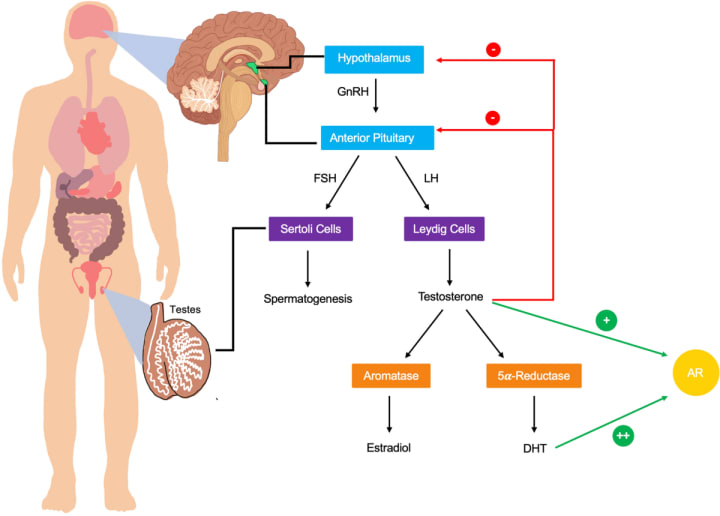
Testosterone is indispensable for spermatogenesis, the process of sperm production in the testes. It stimulates the Sertoli cells, which are responsible for nurturing and developing sperm cells. A deficiency in testosterone can lead to reduced sperm count and impaired motility, affecting fertility.
Sexual Function and Libido
Testosterone regulates sexual desire and performance. Men with healthy testosterone levels often experience a robust libido and fewer issues with erectile dysfunction. Low testosterone levels, on the other hand, can diminish sexual satisfaction and lead to relationship challenges.
Secondary Sexual Characteristics
During puberty, testosterone drives the development of secondary sexual characteristics, such as increased muscle mass, deepening of the voice, and the growth of body and facial hair. Even in adulthood, it continues to maintain these traits, contributing to physical confidence and vitality.
Emotional and Cognitive Health
Testosterone isn't just a physical influencer; it also impacts mood, energy levels, and mental acuity. Balanced levels are associated with reduced risk of depression, anxiety, and cognitive decline.
Consequences of Imbalanced Testosterone Levels
Low Testosterone (Hypogonadism)
Symptoms: Low libido, fatigue, muscle loss, increased body fat, and reduced bone density.
Impact on Reproductive Health: A decline in sperm production and sexual dysfunction.
Long-Term Effects: Untreated hypogonadism can lead to infertility, osteoporosis, and an increased risk of metabolic conditions like diabetes and heart disease.
High Testosterone (Hyperandrogenism)
Symptoms: Aggressiveness, acne, and heightened libido.
Impact on Reproductive Health: Paradoxically, excessive testosterone can suppress natural sperm production due to feedback mechanisms in the body.
Long-Term Effects: Chronic high levels can contribute to liver damage, high blood pressure, and an increased risk of cardiovascular events.
Maintaining Hormonal Balance
Healthy Lifestyle Choices
Nutrition: Incorporate zinc-rich foods, healthy fats, and lean proteins to support testosterone production. Avoid excessive sugar and processed foods that can disrupt hormonal balance.
Exercise: Regular physical activity, especially strength training, boosts natural testosterone levels. Avoid overtraining, which can have the opposite effect.
Sleep: Quality sleep is vital for hormonal regulation. Testosterone production peaks during deep sleep cycles, so aim for 7–9 hours of uninterrupted rest.
Stress Management
Chronic stress elevates cortisol levels, which can suppress testosterone. Mindfulness, meditation, and relaxation techniques can help manage stress effectively.
Medical Interventions
For those with diagnosed hormonal imbalances, treatments such as testosterone replacement therapy (TRT) may be recommended under medical supervision.
Regular check-ups with an endocrinologist can monitor and manage hormone levels effectively, ensuring reproductive health is preserved.
Natural Supplements
Certain supplements, like Vitamin D and fenugreek extract, have been shown to support testosterone production naturally. However, these should be used cautiously and preferably under professional guidance.

The Long-Term View: Testosterone and Aging
As men age, testosterone levels naturally decline—a condition often referred to as andropause. While this decline is gradual, its effects can include reduced energy, weakened muscles, and decreased sexual function. Maintaining balanced testosterone levels through a proactive lifestyle and medical monitoring can mitigate these aging-related changes, enhancing quality of life and longevity.
Furthermore, testosterone’s role in reducing the risk of chronic diseases such as osteoporosis and cardiovascular issues highlights its significance in healthy aging.
Conclusion
Testosterone is more than just a hormone; it’s a cornerstone of male reproductive health, vitality, and emotional well-being. While imbalances in testosterone levels can pose significant challenges, they are not insurmountable. Through a combination of healthy lifestyle practices, stress management, and medical guidance, men can maintain optimal testosterone levels, ensuring not just reproductive health but a fulfilling, vibrant life.
By understanding and prioritizing the balance of this essential hormone, men can take charge of their health, embracing the physical, emotional, and reproductive benefits that come with a well-regulated hormonal system.
About the Creator
mureed hussain
Hi, I’m a creative writer passionate about health & wellness, love, longevity, aging, and pet care. With extensive Quora experience, I craft engaging posts, thoughtful questions, and insightful answers.
Find me at>>[email protected]
Keep reading
More stories from mureed hussain and writers in Longevity and other communities.
Building a Resilient Immunity: Science-Backed Habits for Lifelong Health
In our fast-paced world, prioritizing immune health is essential for longevity and well-being. While immunity is a complex network influenced by a variety of factors, adopting specific lifestyle and dietary habits can strengthen it. Here, we’ll explore scientifically-supported approaches to enhance immunity, including nutritional choices, exercise, sleep habits, and stress management techniques.
By mureed hussainabout a year ago in Longevity
Day 4 of Quitting
If this is how sobriety feels, maybe it’s better to go through life a little buzzed… this, along with other hits like, I want to kill myself, I wish I was dead, and I’m going to throw myself off a bridge have been the only thoughts on rotation these past few days. I promise myself that if, in a month, I still feel like this (‘this’ meaning despondent, full of rage, and simultaneously numb) I can go back to smoking. Until mid-February though? Nicotine is off the table.
By sleepy drafts12 days ago in Longevity
A First in 100 Years: A Chinook Salmon Returns to Its Native California River
For the first time in more than a century, a Chinook salmon has been documented returning to its native river in California—a moment that conservationists are calling historic, symbolic, and deeply hopeful. This single fish represents far more than a biological curiosity. It is living proof that decades of environmental restoration, policy reform, and community activism can slowly reverse even the most severe ecological damage. A Journey Once Thought Impossible Chinook salmon, also known as king salmon, are famous for their extraordinary life cycle. Born in freshwater rivers, they migrate thousands of miles into the Pacific Ocean before returning—often to the exact stream of their birth—to spawn and die. This instinct, known as natal homing, is one of nature’s most remarkable feats. Yet for many California rivers, that cycle was broken long ago. The construction of large dams in the early 20th century blocked salmon from reaching their historic spawning grounds. Combined with overfishing, pollution, water diversion for agriculture, and urban development, Chinook populations collapsed. Some rivers saw salmon disappear entirely, becoming ecologically silent for generations. That is why the recent sighting of a Chinook salmon in a river where it had been absent for 100 years has stunned scientists. It was not stocked, released, or guided by humans. It found its way back on its own. What Changed After a Century? This return did not happen by accident. Over the past few decades, California has invested heavily—though not without controversy—in river restoration projects. Aging dams have been removed or modified, fish ladders installed, water flows restored, and riparian habitats rehabilitated. Environmental regulations have reduced industrial pollution, while fishing limits have given depleted stocks a chance to recover. Climate science has also improved water management. Agencies now release colder water from reservoirs at strategic times to mimic natural river conditions that salmon need to survive. In some regions, tribes and local communities have played a leading role, drawing on generations of ecological knowledge to guide restoration efforts. The return of a single Chinook suggests that these fragmented efforts are finally beginning to connect. Why One Fish Matters Skeptics may ask: what difference does one salmon make? Ecologists answer clearly—everything starts with one. Salmon are a keystone species. Their bodies transport ocean nutrients far inland, feeding not just fish but birds, mammals, insects, and even forests. When salmon disappear, entire ecosystems weaken. When they return, ecological networks slowly rebuild. More importantly, this salmon demonstrates that the river itself is becoming viable again. Chinook are highly sensitive to water temperature, oxygen levels, and habitat quality. Their presence signals improving river health—conditions good enough not just for salmon, but for countless other species, including humans. Cultural and Historical Significance For Indigenous communities in California, salmon are not just wildlife; they are relatives, teachers, and central figures in cultural identity. Many tribes have fought for decades to restore salmon runs that were lost due to colonial-era infrastructure projects. The return of this Chinook has therefore been met with emotion as well as scientific excitement. Elders describe it as a reminder of what the land once was—and what it could be again. It also strengthens legal and moral arguments for continued dam removal and river protection. Challenges Still Ahead Despite this milestone, conservationists warn against complacency. One fish does not mean the crisis is over. Climate change continues to threaten salmon through warming waters, drought, and altered ocean conditions. Many rivers remain blocked, degraded, or over-allocated. There is also the question of whether this return can become a trend. For a self-sustaining population to reestablish, many salmon must follow this path consistently over years. That will require long-term funding, political will, and cooperation between environmental groups, farmers, energy producers, and governments. A Rare Moment of Environmental Optimism In an era dominated by headlines about extinction, climate disasters, and ecological collapse, the return of a Chinook salmon after 100 years offers something rare: credible hope. It shows that nature has not forgotten its pathways—and that if given even a narrow opening, it will try to heal itself. This single fish is not the end of the story. It is the opening line of a possible recovery—one written slowly, against great odds, but now undeniably underway.
By Fiaz Ahmed 2 days ago in Longevity
Wild Card Weekend Recap: What Happens Now?
I think I figured out why I love Wild Card Weekend so much. It's because it's the first playoff anything of the calendar year. The NFL season starts in the fall, and once upon a time, the champion was crowned either on or slightly before New Year's. The evolution of the NFL schedule has resulted in the playoffs starting just into the New Year, and currently, the final week of the season falls on the first weekend of the New Year, with Wild Card Weekend coming a week after that. So yes, chronologically, the NFL's Wild Card Weekend serves as the first playoff anything of the calendar year.
By Clyde E. Dawkins6 days ago in Unbalanced




Comments
There are no comments for this story
Be the first to respond and start the conversation.