
The negative impact of social media on our health
Understanding the use of social media and how it has negative impacts on our mental health.
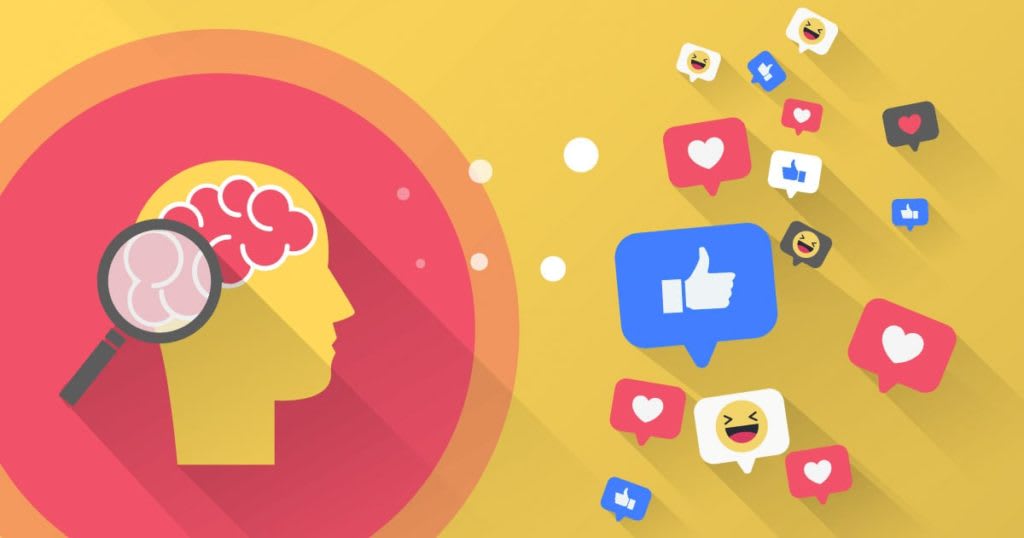
Social media has become an essential part of our daily lives and it is influencing today's teenagers. However, social media has its good side and bad. Despite its numerous benefits, social media has a number of issues and problems that can have a negative impact on children and young adults. These are the causes of social media's negative effects on mental health. More time spent on social media can lead to social media addiction, which has been linked to distractions from important years of life, goals and accomplishments, increased risks of many health issues, including anxiety and depression, and may also lead to bullying.
It's easy to become addicted to social media. Social media platforms are designed to be addictive both physically and psychologically and are associated with anxiety, depression, and other potential health concerns that you might not even notice. Even though social media affects our health negatively and causes health issues, it makes the user come back for more. This is because, for example when you are playing a game or accomplishing a task, you want to do it as well as you can. When you succeed your brain releases dopamine and other happiness hormones, making you happy and satisfied with what you did, therefore causing you to repeat the process several times. The same thing occurs when we use social media, where someone posts a picture, and once they see all the notifications for likes, comments, and mentions, dopamine is released by the brain and causes the user to feel pleasure and contentment, causing them to want to use social media more. “The idea of a potential future reward keeps the slot machines in use." The same goes for social media sites. One does not know how many likes a picture will get, who will ‘like’ the picture, and when the picture will receive likes. "The unknown outcome and the possibility of the desired outcome can keep users engaged with the sites,” says Jaqueline Sperling, a Ph.D. psychologist at Mclean Hospital who works with youth who experience anxiety disorders, about Instagram’s recent restriction. This explains why users are drawn to social media and are constantly checking their social media platforms and posting content in the hopes of receiving positive feedback, rewards, or feelings of satisfaction and fulfillment. They would not have posted in the first place if they knew they would not receive any encouragement and admiration.
Social media addiction and the constant use of the media can eventually lead to a variety of issues that can affect valuable and fundamental areas of life, it can reduce the number of time teenagers and young children spend engaging in activities that make them feel good and happy, such as sports and hobbies. They will start to ignore real-life relationships and start to have a poor social life, they would take no notice of their mental and physical health, work or school responsibilities, and important tasks like homework, all of which have the potential to make someone's unhappy moods worse. Having to balance those responsibilities can increase a kid's stress and pressure. When someone is feeling down and miserable, they remember these feelings of satisfaction they experience when they use the social media platform and as a result, people engage in even more social networking. When social network users repeat this continuous cycle of relieving unpleasant moods with social media use, their psychological reliance on social media grows. Which obviously leads to increased use of social media.
More use of social media does not just lead to addiction, but it can also worsen our overall health and well-being. There are a number of health issues that may develop as a result of excessive social media use, including depression, anxiety, low self-esteem, body image concerns, disordered eating, and lead to other greater problems. There is much research and evidence that the greater use of social media can lead to depression and anxiety. Social media users constantly compare themselves and their life to unrealistic views of other people's lives based on what they see online. Comparing yourself to others causes you to feel negative and think poorly about yourself and your life. It can reduce self-esteem and the confidence you have in yourself. When they see the posts of others and how they look and how they are living their lives and showing it off on social media, they might start thinking about themselves and their lives and how they might not be as excited as theirs and the things they do not have that other do, and so they start to feel left out (FOMO) and feel lonely. As a result, it affects their values and beliefs, and they may even start to change their personality and almost everything about them that makes them feel like themselves. They may also feel pressured to have perfect and exciting photos that show how perfect their life is and how happy they are just to fit in with everyone else. When they feel like they do not have anything to show off to the media, they start to feel more envious of others; they might feel left out of the fun in life. Therefore, these factors cause the person to feel depressed and have anxiety. Many studies have shown that more frequent social media usage and the use of many different platforms tend to have a higher chance of developing depression and anxiety as well as worsening our mental health.
The potential for bullying (cyberbullying) is yet another reason why we should all limit the time we spend on social media, if not completely stop using it. Cyberbullying can be similar to the typical, physical bullying we usually see and might likely have experienced sometimes in our life, but cyberbullying using technology and social media can be a lot harder to deal with and has fewer boundaries than physical bullying. With technologies improving and the constant use of social media increasing over time and becoming an important part of our daily lives, the chances of cyberbullying occurring are also exceedingly high. Teenagers and children nowadays communicate with each other in ways that are unknown to parents and adults and with no supervision. This includes People posting intimate and personal content without considering the consequences, privacy concerns, or having a more lasting effect than the original poster may have intended. For example, an unflattering picture or rude messages can quickly be spread across the internet and can be seen by different people and bigger audiences and might be difficult to delete permanently. This can result in teenagers being bullied, harassed, or even blackmailed. What makes cyberbullying harder to deal with is that it involves people who have never met in real life and have no social connections, this means that people are able to attack people and have power over other people’s lives, regardless of their age, physical strength or social status and still remain anonymous. Being bullied can affect almost everything about a child, it can affect how they see themselves, their family, friends, school, and their future. They might start to experience depression, anxiety, low self-esteem, loneliness, and even attempt self-harm, all of which can obviously have a huge negative impact on a person’s well-being and different aspects of life.
I believe that people should start to think about how much they use social media and how they use it. They need to be more aware of their health and well-being and how social media can harm it. It can lead to unnecessary addiction and unwanted interference in other important areas of life that are beneficial to us and our life. It ruins our health and well-being as well as leading to being bullied and the difficulty of dealing with and overcoming the issue.
About the Creator
Nazanin
I really enjoy writting and so I am using this opputunity to reach out to people, through my writing.
Keep reading
More stories from writers in Longevity and other communities.
Day 4 of Quitting
If this is how sobriety feels, maybe it’s better to go through life a little buzzed… this, along with other hits like, I want to kill myself, I wish I was dead, and I’m going to throw myself off a bridge have been the only thoughts on rotation these past few days. I promise myself that if, in a month, I still feel like this (‘this’ meaning despondent, full of rage, and simultaneously numb) I can go back to smoking. Until mid-February though? Nicotine is off the table.
By sleepy drafts29 days ago in Longevity
After 20 Years in the Gym, I Quit for 3 Months. Here's What I Did Instead.
After 20 years of gym memberships, I needed a break. I usually take at least a month long sabbatical every year. But I didn't need that this year, I needed a break from the gym entirely. Yet I still wanted to get in my workouts. So I tested what would happen if I stripped fitness down to the bare minimum for a while.
By Destiny S. Harris4 days ago in Longevity
Self Help: Grifters' Gospel
On Self-Help, Snake Oil, and the Illusion of Change Psychology professionals and students can be imagined on two opposite sides of a line called self-help books: likely a larger group opposes pop-science and step-by-step manuals filled with talk of success, journaling, and not giving a f**k; others love them, but they aren’t many.
By Avocado Nunzella BSc (Psych) -- M.A.P 3 days ago in BookClub




Comments
There are no comments for this story
Be the first to respond and start the conversation.