
The Link Between Exercise and Mental Health
How Physical Activity Boosts Happiness
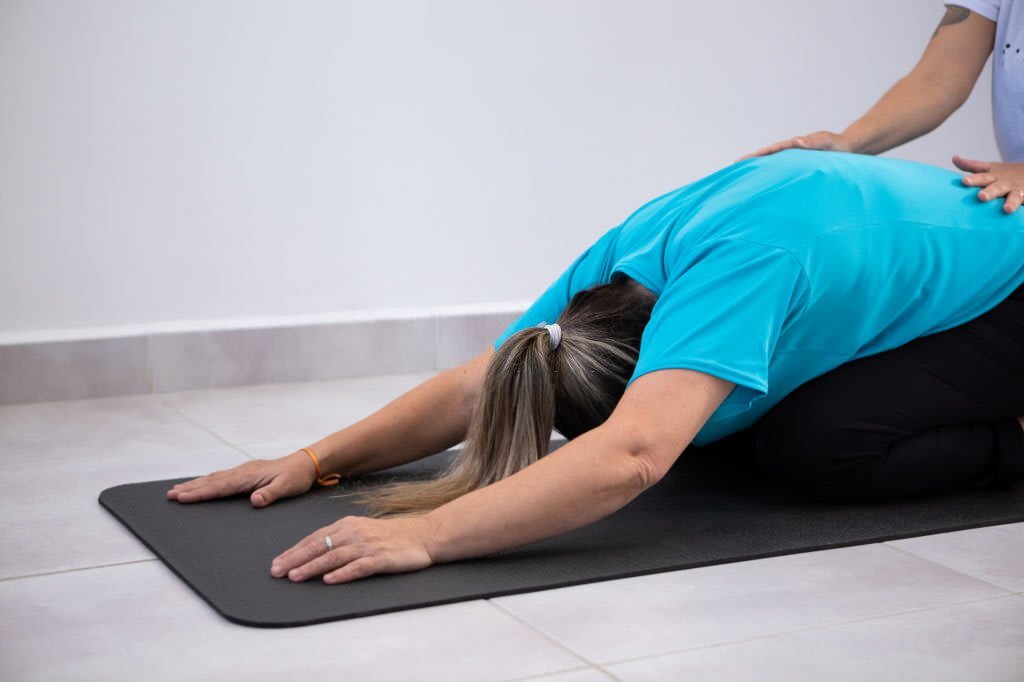
In today's fast-paced and stressful world, finding happiness and maintaining good mental health can sometimes feel like an elusive goal. Many people turn to various strategies such as therapy, meditation, and medication to improve their well-being. However, there is one powerful tool that is often overlooked: exercise. The link between exercise and mental health is strong and well-established, and incorporating physical activity into your daily routine can be a game-changer for boosting happiness and overall well-being.
Exercise has long been associated with physical health benefits, such as weight management, improved cardiovascular health, and increased energy levels. But the benefits extend far beyond the physical realm. Research has consistently shown that exercise is a powerful mood booster and can have a profound impact on mental health.
When you engage in physical activity, your body releases endorphins, often referred to as the "feel-good" hormones. These endorphins interact with receptors in your brain, reducing pain perception and triggering positive feelings. This natural chemical reaction can create a sense of euphoria and happiness, commonly known as the "runner's high." Regular exercise can help you tap into this blissful state and experience a natural uplift in your mood.
Moreover, exercise can also alleviate symptoms of depression and anxiety. According to a study published in the Journal of Clinical Psychiatry, regular exercise can be as effective as medication in reducing symptoms of depression. Engaging in physical activity increases the production of serotonin, a neurotransmitter that plays a crucial role in regulating mood. By boosting serotonin levels, exercise can help alleviate feelings of sadness, anxiety, and stress.
To truly understand the power of exercise in enhancing mental well-being, let's consider real-life examples. Meet Sarah, a busy working professional who was constantly feeling overwhelmed and stressed. She decided to incorporate exercise into her routine by joining a local dance class. Not only did Sarah start experiencing physical health benefits such as increased flexibility and stamina, but she also noticed a significant improvement in her mental state. Dance became her outlet for expressing herself, relieving stress, and connecting with others. Sarah's newfound happiness and confidence spilled over into other areas of her life, including her relationships and work performance.
Similarly, let's take the example of John, a retiree who was struggling with feelings of loneliness and boredom after leaving his long-time job. Seeking a solution, he decided to take up hiking. John found solace in nature, and with each step, he felt a renewed sense of purpose and excitement. The physical activity of hiking, combined with the beauty of the outdoors, helped him combat feelings of isolation and gave him a new lease on life. John's newfound passion for hiking not only boosted his happiness but also improved his overall health and fitness.
When it comes to incorporating exercise into your routine, it's important to find activities that you genuinely enjoy. Whether it's dancing, hiking, cycling, swimming, or practicing yoga, choose activities that resonate with you. By engaging in activities that bring you joy, you are more likely to stick to your exercise routine and reap the mental health benefits.
Additionally, exercise can also serve as a form of social connection. Joining a sports team, participating in group fitness classes, or simply going for a walk with a friend can provide an opportunity to socialize and build meaningful connections. Social interaction is essential for overall well-being and can significantly impact happiness and mental health.
Incorporating exercise into your daily routine doesn't have to be complicated or time-consuming. Even small steps like taking the stairs instead of the elevator, going for a short walk during your lunch break, or practicing stretching exercises at home can make a difference. The key is to be consistent and make physical activity a priority in your life.
In conclusion, the link between exercise and mental health
About the Creator
Keep reading
More stories from Ige Olakunle and writers in Longevity and other communities.
Dealing with Seasonal Allergies
Introduction As the seasons change, many of us eagerly await the arrival of spring or fall, only to find ourselves battling seasonal allergies. The sneezing, itchy eyes, and congestion can put a damper on our outdoor activities and overall well-being. While over-the-counter medications provide relief, there are natural remedies and prevention tips that can help alleviate symptoms and improve our quality of life. In this article, we'll explore some inspiring and effective ways to tackle seasonal allergies head-on, incorporating real-life examples and practical tips.
By Ige Olakunle3 years ago in Longevity
Day 4 of Quitting
If this is how sobriety feels, maybe it’s better to go through life a little buzzed… this, along with other hits like, I want to kill myself, I wish I was dead, and I’m going to throw myself off a bridge have been the only thoughts on rotation these past few days. I promise myself that if, in a month, I still feel like this (‘this’ meaning despondent, full of rage, and simultaneously numb) I can go back to smoking. Until mid-February though? Nicotine is off the table.
By sleepy drafts18 days ago in Longevity
Autonomy Is The Real Privilege
Good morning, freedom-seekers! Today we’re gonna be looking at autonomy. A strange word, I know; one many would probably look at blankly and run away from on sight. We’re gonna figure out what it actually means, consider how it’s achieved, and decipher just how deeply most of us are tangled up in dependence without realising it.
By That ‘Freedom’ Guy5 days ago in Humans




Comments
There are no comments for this story
Be the first to respond and start the conversation.