
The issue with vaccinations
Having to persuade someone over 60 that vaccinations are beneficial is not usual. People of my father's generation would typically respond

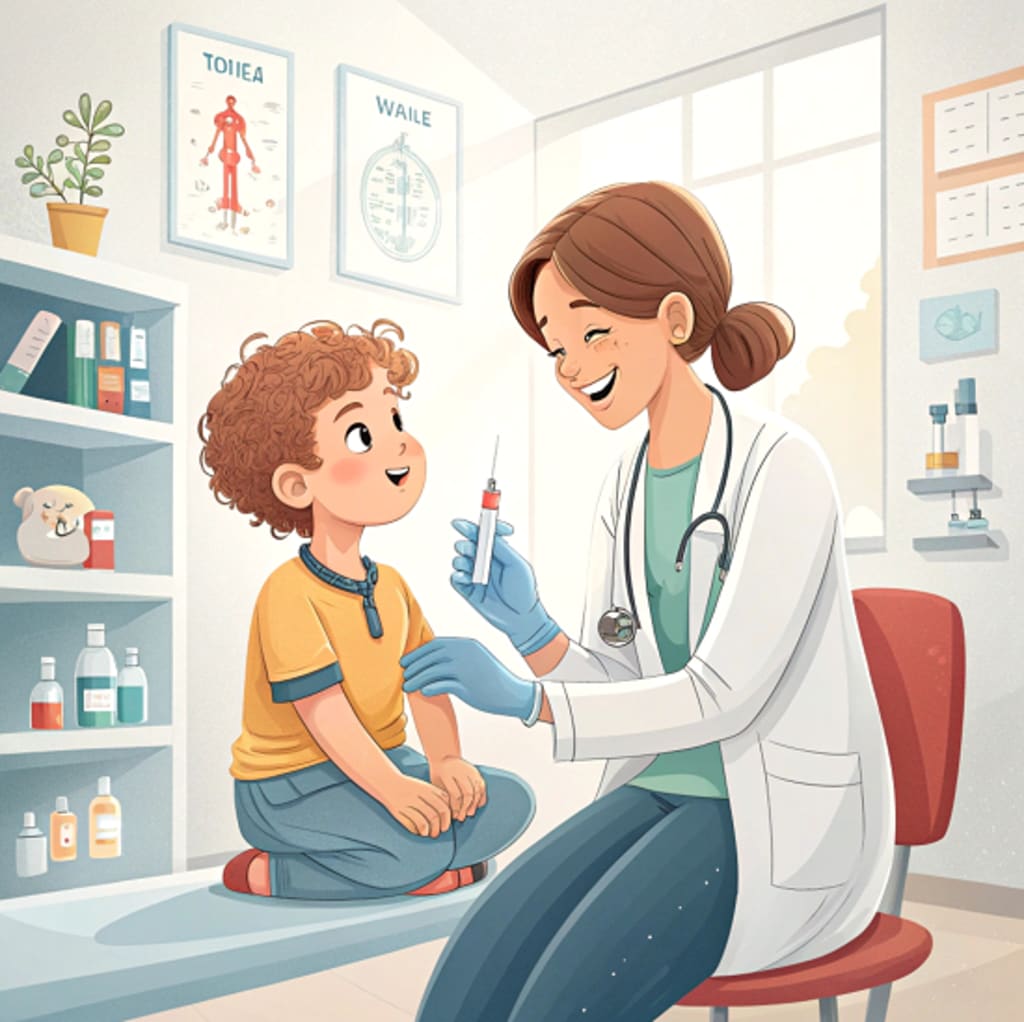
Having to persuade someone over 60 that vaccinations are beneficial is not usual. People of my father's generation would typically respond, "Hell, yes!" when asked whether they believe immunizations are beneficial, but there are undoubtedly exceptions to this norm. They may share tales of their buddy who battled to conceive after a terrible episode of mumps as a youngster, the mother next door who lost a baby to whooping cough, or the student in their school year who was permanently disabled due to a case of polio.
However, these illnesses have almost vanished in the decades after childhood vaccinations were created. In the United States, measles was notably eradicated in 2000. This does not imply that the illness has been totally eliminated; rather, it indicates that measles outbreaks are no longer occurring in the nation.
The pathogenesis of measles was well recognized before the vaccine was developed. Since measles outbreaks in an unvaccinated community are so foreseeable, it is a well-known example of disease modeling that is still in use today. In most communities, measles has a two-year cycle in which the majority of susceptible children are infected in the first year, followed by a year with low measles rates as additional children are born, and then the cycle repeats again.
All of it was obviously altered by the vaccination. In the early 1960s, there were up to 400,000 measles cases annually in the United States. After receiving a license in 1963, the vaccine quickly began to be administered regularly across the nation. By 1970, measles was mostly eradicated and rates had decreased by more than a factor of 10.
US measles cases, broken down by year. The CDC is the source. Additionally striking are the figures from the 1971 AJPH paper, which demonstrate how quickly the decline occurred.
Nowadays, the majority of parents hardly know what measles is. It is merely an old-fashioned practice, similar to how, until the 1970s, women needed their husband's consent in order to get a credit card. Since measles is so uncommon these days, parents in 2024 have never heard of a kid dying or being permanently crippled as a result of contracting the illness. Many of the misconceptions surrounding measles, such as the strange notion that it is not a serious illness if you eat well, become much more comprehensible as a result of this detachment from the reality of infectious disease.
The illnesses that we vaccinate against are not innocuous. Some youngsters have really serious pneumonia from measles. Subacute sclerosing panencephalitis (SSPE) is another uncommon measles consequence in which the virus attacks a person's brain and spinal cord, often leading to death. This 2010 case study of a 22-year-old Australian woman demonstrates that it may occur in otherwise healthy individuals without any recognized risk factors. Although the exact number of cases of SSPE is unknown, estimates place the incidence at around 1 in 10,000 for older children and 1 in 5,000 if the infection occurs before the age of five. The death rate from SSPE is above 90%, making it a very deadly sport.
If you have never known someone who has rubella, sometimes known as German measles, during pregnancy, you may easily dismiss it. Thanks to the vaccination, tetanus, a terrible illness, is almost nonexistent in the United States anymore. Being properly concerned about issues that you have never encountered or even heard about outside of history books is very difficult.
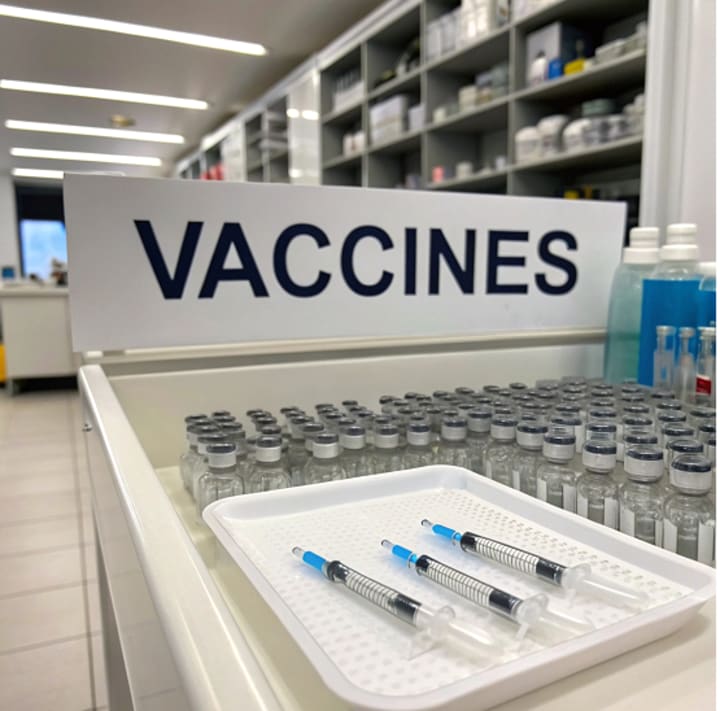
The issue is that vaccinations have fallen prey to their own popularity. Those who have lived with illnesses that may be prevented by vaccination are aware of the cost-benefit ratio. There is even some indication that this is taking place, since pre-COVID studies indicate that older parents are less likely than younger ones to be reluctant to be vaccinated. Although there was no hard-and-fast rule, most individuals who knew someone who passed away from diphtheria may appreciate why the DTaP is such a crucial vaccination.
Individuals who have never gone through such experience just are not aware of what they do not know.
Given all of this, it is easy to see how the current US government came to be overtly opposed to vaccinations. Yes, there is some backlash against COVID-19, but I think that people's disassociation from the actual consequences of infectious illnesses is also a contributing factor. It is much simpler to assume that immunizations are harmful now than it was in the 1980s since people do not know what a significant measles outbreak looks like.
It is quite probable that these avoidable illnesses will resurface given the present US administration's distaste for vaccinations, especially since one of the most vocal opponents of vaccines in the world is about to become secretary of the Department of Health and Human Services. The atmosphere will likely start to change as parents who have become more concerned about vaccination side effects see sickness steal their children of years of life.
In the face of actual illness outbreaks, I do not think anti-vaccine sentiment will persist for very long. We have seen this before, so we know how it operates. In 2018, two children in Samoa lost their lives as a result of measles vaccinations that were not properly prepared. This resulted in a precipitous decline in vaccination rates nationwide, partly due to anti-vaccine propaganda from outside, including an appearance by RFK Jr. As expected, there was a significant epidemic in 2019 when vaccination rates dropped to 34%. Within a few months, hundreds of Samoan children had died from measles, and around one in five had caught the disease. In the tiny Pacific island nation, the overall newborn mortality rate was close to 1%. In response to this tragedy, the government moved quickly, and by December 2019, Samoan immunization rates had risen to far over 90% once again.
The United States is unlikely to have such high fatality rates. Vitamin A deficiency, which is comparatively rare in high-income nations, is a significant risk factor for severe pneumonia, even though certain measles side effects may occur in apparently healthy children.
Despite this, measles continues to be a major source of illness and mortality, especially in affluent areas. If there was a significant epidemic in the US, hundreds of children would still be killed, even if the mortality rate would be ten times lower than the Samoan one.
Which leads us back to the vaccination issue. They work too well. Many individuals believe they are safe if they never see the suffering that infectious illnesses may cause. This gives the impression that vaccination side effects are much more serious than they really are.
I think this mindset will not last long. It will soon become clear why we chose to vaccinate our children if the present US government gets its way and vaccination rates fall nationwide. PICUs full with critically ill children make it difficult to uphold anti-vaccine claims about mercury and autism.
About the Creator
GOOD HEALTH
Good Health for a Longer Life: Simple Habits for Longevity
Keep reading
More stories from GOOD HEALTH and writers in Longevity and other communities.
the health of our heart
One of the most crucial aspects of our general health is heart health. We ought to take the required actions to preserve it. It improves our lifespan and standard of living. In addition to being an essential organ, our heart keeps the whole circulatory system functioning. The heart facilitates the delivery of nutrients and oxygen to all of the body's organs. To maintain its health, we must concentrate on practical measures. Diet, exercise, and lifestyle decisions should be our main priorities. Frequent screening is also crucial for heart health monitoring.
By GOOD HEALTH9 months ago in Longevity
Day 4 of Quitting
If this is how sobriety feels, maybe it’s better to go through life a little buzzed… this, along with other hits like, I want to kill myself, I wish I was dead, and I’m going to throw myself off a bridge have been the only thoughts on rotation these past few days. I promise myself that if, in a month, I still feel like this (‘this’ meaning despondent, full of rage, and simultaneously numb) I can go back to smoking. Until mid-February though? Nicotine is off the table.
By sleepy drafts8 days ago in Longevity


Comments
There are no comments for this story
Be the first to respond and start the conversation.