
The Impact of Acute Kidney Injury on Long-Term Kidney Health
Learn about the long-term effects of acute kidney injury (AKI), including its impact on kidney health, function, and potential for kidney failure.

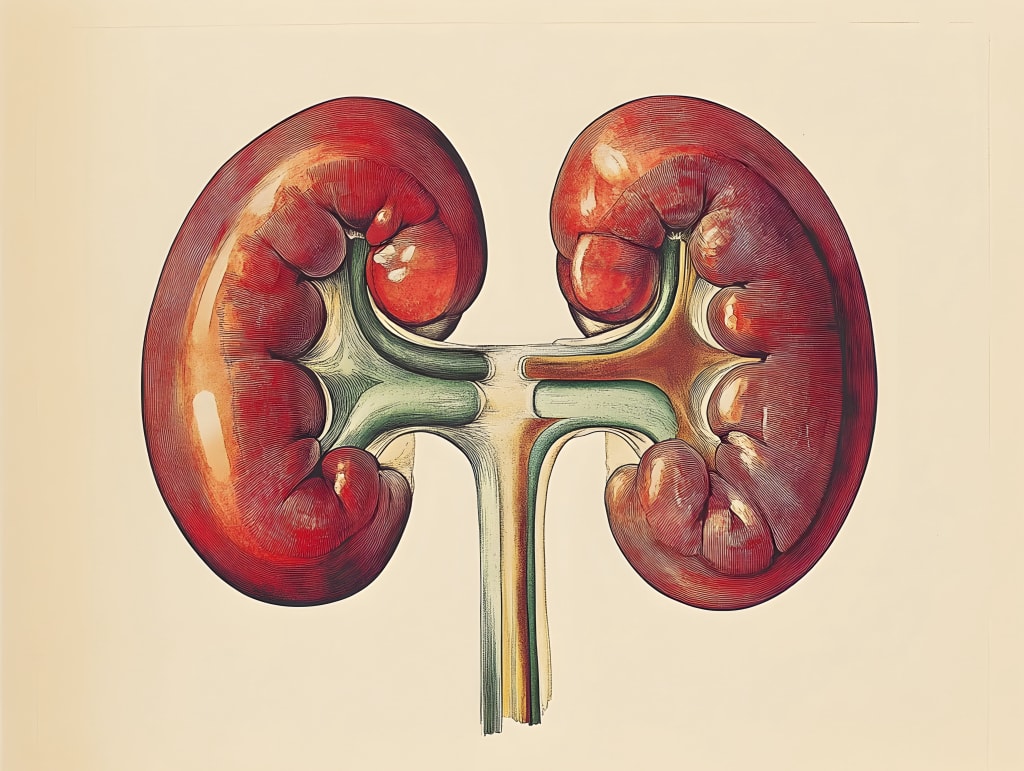
Kidney health represents a crucial facet of our overall well-being, with various conditions threatening its integrity and functionality. One such devastating ailment is acute kidney injury (AKI), previously known as acute renal failure. This condition is characterised by a rapid drop in kidney function, which subsequently leads to the accumulation of toxins and waste products in the blood. AKI is often accompanied by severe symptoms, thereby necessitating immediate medical attention and treatment.
While the term 'acute' might suggest a temporary issue, the true implications of AKI extend far beyond an immediate crisis. In fact, an incidence of acute kidney injury can substantially increase the long-term risk for chronic kidney disease and kidney failure. Moreover, multiple studies have established a strong correlation between acute kidney injury and other severe health complications, like heart failure. These links underline the necessity to not only effectively treat AKI but also to devise strategies that directly address the maintenance of long-term kidney health post-injury.
What is acute kidney injury?
Acute kidney injury (AKI) refers to a severe instance of kidney damage that manifests quite abruptly, usually within a few hours or days. This sudden onset condition is typified by poor kidney function characterised by the body's inability to regulate fluid and electrolyte balance, which could lead to life-threatening complications. AKI is conventionally recognised via a significant decrement in urine production or an abrupt escalation in toxic waste products in the patient's blood. It is imperative to note that while AKI is frequently diagnosed in patients admitted to an intensive care unit, it could occur in other hospital settings, too.
Furthermore, the causes of AKI are numerous, with the most common cause being acute tubular necrosis (ATN), a severe kidney disorder involving damage to the tubule cells of the kidneys, causing acute kidney failure. Other risk factors include complex surgeries, sepsis, certain medications, and trauma. In worst-case scenarios, the patient might require a kidney transplant. Patients who have survived AKI are often then susceptible to the threat of chronic kidney disease and end-stage renal disease. Lastly, a definitive diagnosis of AKI includes checks for signs and symptoms, kidney biopsy, and careful monitoring in an intensive care unit. The sooner AKI can be detected and treated, the better the prognosis. Therefore, an understanding of the risk factors and early signs of AKI can significantly stem the tide of this potentially fatal condition.
The link between AKI and long-term kidney health
The long-term implications of AKI are quite significant. Studies have shown that AKI can also lead to kidney failure over time. Specific symptoms and causes of kidney failure include high levels of waste products in the blood, poor kidney function known in medical parlance as acute interstitial nephritis, or, in a worst-case scenario, end-stage kidney disease. The risk factor increases exponentially if only one kidney is involved. Therefore, prompt medical intervention is paramount for individuals exhibiting any signs or symptoms, and preventive measures should be taken to manage long-term kidney health after AKI.
Managing long-term kidney health after AKI
Managing long-term kidney health after an acute kidney injury (AKI) is crucial due to the elevated risk of progressing to chronic kidney disease (CKD). Patients with AKI require effective management of their kidney health to ensure a recovery of normal kidney function. Failure to do so could contribute to a higher rate of mortality in acute cases. Thus, taking preventative measures is essential in reducing the risk of recurrent AKI episodes and further kidney damage.
Managing kidney health involves regular monitoring and early detection of symptoms that could indicate worsening kidney function. These symptoms may include fatigue, decreased appetite, swollen ankles, or high blood pressure. The type of kidney injury, whether it's failure or acute, influences the management strategies. While AKI causes are numerous, from direct kidney trauma to systemic diseases that cause kidney damage, preventing acute kidney injury also reduces the risk of permanent kidney damage, bridging the gap between acute and chronic kidney conditions. Through such measures, it's possible to mitigate complications and improve the prognosis for patients recovering from AKI.
Conclusion
Understanding the profound link between AKI and the potential for harmful effects on long-term kidney health becomes crucial. Irrespective of whether the kidney injury is acute or chronic, diagnosis and treatment need to be swift and effective to prevent further implications. Affected individuals might exhibit an array of kidney failure symptoms, rendering them unfit to perform routine tasks. Research suggests that any magnitude of injury is associated with an exponential increase in the risk of developing chronic kidney disease due to acute complications or even end-stage renal disease. Hence, managing long-term kidney health post-AKI becomes exceedingly important to alleviate these adversities.
About the Creator
Keep reading
More stories from Liew Hui Xuan and writers in Longevity and other communities.
The Impact of Copier Repair on Your Office’s Environmental Footprint
In our efforts to create more sustainable and eco-friendly office spaces, it's essential to prioritise seemingly small aspects such as copier repair. Regular maintenance and repair of office copiers extend their lifespan and play a crucial role in minimising waste. Employing a professional technician for copier repair services can ensure that your copier functions efficiently for an extended period. Moreover, by addressing copier malfunctions promptly, we can reduce unnecessary service calls and the excessive use of resources, consequently making a positive impact on our office's eco-footprint. Embracing sustainability means recycling paper and actively preserving and repairing the machines we use daily.
By Liew Hui Xuanabout a year ago in Lifehack
Day 4 of Quitting
If this is how sobriety feels, maybe it’s better to go through life a little buzzed… this, along with other hits like, I want to kill myself, I wish I was dead, and I’m going to throw myself off a bridge have been the only thoughts on rotation these past few days. I promise myself that if, in a month, I still feel like this (‘this’ meaning despondent, full of rage, and simultaneously numb) I can go back to smoking. Until mid-February though? Nicotine is off the table.
By sleepy drafts12 days ago in Longevity




Comments
There are no comments for this story
Be the first to respond and start the conversation.