
The Hidden Reason Older Adults Lose Balance — And the Simple Strength Routine That Restores It
A clear look at balance problems in the elderly and how lower body strength exercises can protect independence, reduce fall risk, and rebuild confidence at any age.

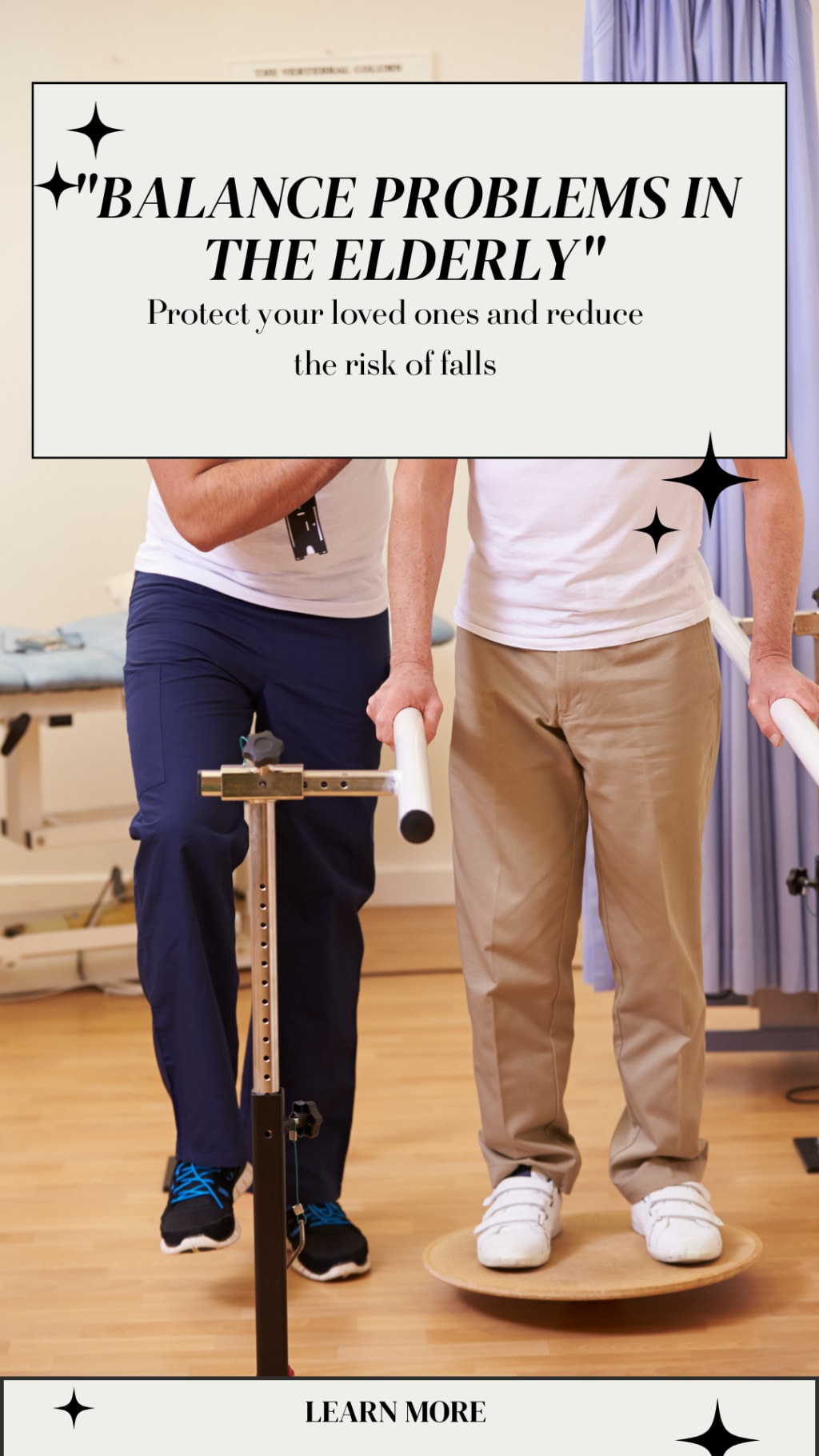
The Hidden Challenge Many Seniors Face
Balance is one of those abilities we rarely think about — until it begins to fade. Many older adults don’t notice the gradual changes happening in their body: weaker legs, slower reflexes, reduced mobility, or a wobble that didn’t exist before.
These subtle shifts often lead to balance problems in the elderly, which can increase fall risk, reduce independence, and affect daily confidence. Yet the encouraging truth is this:
🟢 Most age-related balance issues are preventable, manageable, and often reversible with the right approach.
Awareness—not fear—is the first step.
Why Balance Declines With Age
Balance is controlled by three key systems: muscles, joints, and nerves. As we age, each of these can weaken:
Leg and hip muscles lose strength
Joint stiffness reduces mobility
Nerve responsiveness slows
Vision changes affect spatial awareness
Past injuries influence stability
When these systems aren’t working together smoothly, everyday movements — stepping off a curb, turning too quickly, reaching for something — can become risky.
Understanding these causes helps seniors take back control, rather than letting balance fade quietly in the background.
How Lower Body Strength Protects Senior Stability
One of the strongest predictors of fall risk is weak lower-body muscles.
This is why targeted lower body strength exercises make such a powerful difference:
They stabilize the ankles, knees, and hips
They improve posture and walking control
They train the body to react more quickly
They support safer transitions (like standing up or stepping sideways)
Better strength = better balance.
Better balance = fewer falls.
Safe & Effective Exercises for Stronger, Steadier Movement
These simple movements are ideal for seniors who want to restore confidence, improve balance, and strengthen the legs safely.
1. Side Leg Lifts
A supported move to strengthen hip muscles — crucial for stability.
How to do it:
Hold onto a counter, lift one leg to the side, lower slowly. Switch legs.
Why it helps:
Stronger hips prevent sideways wobbling, one of the most common causes of falls.
2. Chair Sit-to-Stands
One of the most functional lower body strength exercises for seniors.
How to do it:
Sit in a sturdy chair. Stand up slowly, then sit back down under control.
Why it helps:
Builds thigh and glute strength — the foundation of safe mobility.
3. Heel-to-Toe Walk
A controlled exercise that trains stability and coordination.
How to do it:
Walk heel-to-toe in a straight line. Use a wall for support if needed.
Why it helps:
Improves walking stability and strengthens ankle-supporting muscles.
Daily Habits That Support Better Balance
Exercise is powerful, but daily lifestyle choices also make a big difference.
Here are senior-friendly habits that help reduce fall risk:
Wear properly supportive shoes
Take short walks throughout the day
Stretch stiff joints — especially ankles, calves, and hips
Remove clutter or loose rugs
Rise slowly from beds and chairs
Practice mindful, steady movement
These small adjustments compound into major improvements over time.
The Confidence Factor: Reclaiming Safe, Capable Movement
Physical balance is only half the battle – the other half is confidence.
Many seniors move less after a stumble or near fall. Unfortunately, this leads to:
Weaker muscles
Worse balance
Higher fall risk
The cycle continues unless broken.
Regular practice of simple lower body strength exercises helps seniors rebuild trust in their bodies — allowing them to walk, move, and live with more certainty and independence.
Confidence is a form of freedom. Balance training helps restore that freedom.
Final Thoughts
Balance issues may be common in older adulthood, but they don’t have to define it. With the right awareness and consistent lower-body strengthening, seniors can:
Reduce fall risk
Improve mobility
Increase independence
Maintain an active and fulfilling lifestyle
Balance problems in the elderly are not permanent they are a signal. A signal to strengthen, move, and take back control.
It’s never too late to start. Even a few minutes a day can create long-term improvements in strength, safety, and confidence.
About the Creator
AhmedFitLife
Helping You Reclaim Balance, Energy & Focus Naturally
Hi, I’m Ahmed, Discover Neuro-Balance Therapy! 🌿 Reduce stress, boost focus, and restore balance with this easy, guided tool. Feel better, naturally: Neuro-Balance Therapy
Keep reading
More stories from AhmedFitLife and writers in Longevity and other communities.
💪 Steady & Strong: Easy Knee Mobility Exercises & Daily Mobility Routine
Discover simple and safe knee mobility exercises and a short mobility routine you can do at home to strengthen joints, improve stability, and boost confidence. These exercises are perfect for seniors, beginners, or anyone looking to maintain safe, steady movement in daily life.
By AhmedFitLife3 months ago in Longevity
9 Best Fruits For Diabetics: Low Sugar Options For Blood Sugar Control
Managing diabetes means making smart food choices. Low-carb fruits are great for a diabetic diet. They add vitamins, minerals, and antioxidants. Berries, citrus fruits, and apples are good choices because they’re low in sugar and high in fiber. Adding these low carb fruits for diabetics to your meals can make your diet more interesting and healthy.
By Good health to everyonea day ago in Longevity



Comments
There are no comments for this story
Be the first to respond and start the conversation.