
The Hidden Dangers Lurking in Your Shopping Cart: 7 Foods to Avoid at All Costs
Renowned health expert Dr Eric Berg DC exposes the shocking truth about everyday foods that maybe sabotaging your health

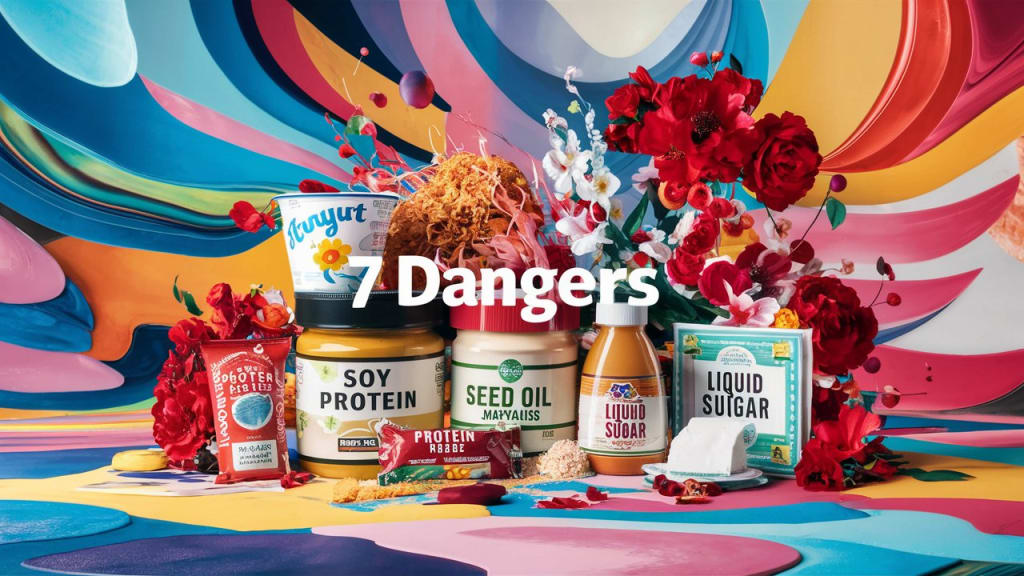
In a recent eye-opening video, Dr. Eric Berg DC, a well-known figure in the health and nutrition field, has revealed a list of seven common foods that he believes should be avoided at all costs. His insights shed light on the potential dangers hiding in plain sight in our grocery stores and kitchens. Let's dive deep into each of these foods and understand why Dr. Berg advises against their consumption.
1. Liquid Sugar: The Sweet Poison
Dr. Berg starts his list with a surprising entry - not just soda, but fruit juices as well. "Both of these products are just as bad," he warns. "They both have roughly the same amount of sugar." He explains that while fruit juice might seem healthier, it's often just as processed as soda.
The doctor reveals a shocking fact about orange juice production: "Sometimes they store it up to a year in this huge container before they ship it and reconstitute it by adding water and put it on the shelf." This process strips away most of the natural nutrients, leaving behind what Dr. Berg calls "liquid candy."
As an alternative, Dr. Berg suggests drinking water or, if you need a flavored drink, opting for beverages like Zia, which contain fewer harmful additives.
2. Processed Cheese: The Dairy Deception
Moving on to dairy, Dr. Berg takes aim at processed cheese products. He points out that in America, manufacturers can use the term "cheese" even if the product contains less than 51% actual cheese. In Europe, such products can't even be labeled as cheese.
Reading from a typical ingredients list, Dr. Berg highlights concerning additives like canola oil, modified food starch, and various preservatives. "There is zero cheese, but they still call it a pasteurized cheese product. Amazing!" he exclaims. The fact that these products don't require refrigeration further underscores their artificial nature.
3. Protein Bars: The Wolf in Sheep's Clothing
In a revelation that might shock health-conscious consumers, Dr. Berg declares that most protein bars are "worse than candy bars." He criticizes the use of cheap, plant-based proteins like soy protein isolate, which are often extracted using harmful solvents like hexane.
The sugar content in these bars is also alarming. "With a brief scan, I found between 30g to 47g per bar," Dr. Berg reports. He advises consumers to be wary of hidden sugars in ingredients like rice syrup, tapioca syrup, and corn syrup.
As a healthier alternative, Dr. Berg suggests carrying boiled eggs, cheese, or dehydrated meat for on-the-go protein.
4. Seed Oil Mayonnaise: The Hidden Inflammatory
Dr. Berg's next target is mayonnaise made with seed oils, particularly soy oil. He explains that 99% of mayonnaise on store shelves contains soy oil as the primary ingredient. The production of soy oil involves extensive processing, including the use of solvents and high heat treatments.
"When you consume something like this, you are consuming something that is highly inflammatory," Dr. Berg warns. He cites a study suggesting that soy oil might be even worse for obesity and diabetes than fructose.
For those who can't give up mayonnaise, Dr. Berg recommends brands that use avocado oil instead, such as Primal Kitchen or Chosen.
5. Sweetened and Flavored Yogurt: The Probiotic Paradox
Yogurt is often marketed as a health food, but Dr. Berg advises caution when it comes to sweetened and flavored varieties. "70% of all yogurt that people buy is this sweetened flavored yogurt," he states, adding that these products often contain more sugar per ounce than ice cream.
Dr. Berg explains the irony of consuming such yogurts for their probiotic benefits: "When you consume a food high in sugar, it's going to support the pathogens in your gut. It's not going to support the friendly microbes."
Instead, he recommends plain, whole-fat, grass-fed yogurt, preferably from A2 protein cows. For an even healthier option, Dr. Berg suggests kefir, a fermented dairy product rich in probiotics.
6. Soy Protein: The Cheap Protein Trap
Soy protein, a common ingredient in many processed foods and protein supplements, is next on Dr. Berg's list. He describes it as "a very cheap protein" that can potentially "mess up your gut, your liver."
The doctor expresses concern about the possible presence of hexane residues in soy protein due to its extraction process. He strongly advises consuming "real protein" from sources like meat, eggs, fish, and seafood instead.
7. Modified Food Starch: The Industrial Filler
Lastly, Dr. Berg tackles modified food starch, which he describes as "not really even a food" but rather "a byproduct of industry." He reveals that the average consumer unknowingly consumes about 30 pounds of modified starch every year.
"There's over 50 different names to camouflage the starch," Dr. Berg warns, explaining that it's often used as a cheap filler in processed foods. He points out that modified starch can spike blood sugar even more than regular sugar.
For those who want to include starches in their diet, Dr. Berg recommends natural sources like butternut squash, beets, plantains, or colorful potato varieties.
In conclusion, Dr. Eric Berg DC's video serves as a wake-up call for consumers. By avoiding these seven foods and opting for more natural, whole food alternatives, we can take significant steps towards improving our health and well-being. As always, it's important to consult with healthcare professionals and consider individual dietary needs when making significant changes to one's diet. Dr. Berg's insights remind us of the importance of being informed and vigilant about the foods we consume in our daily lives.
About the Creator
Keep reading
More stories from Next Koding and writers in Longevity and other communities.
The Vitamin D Revolution: Why Everything You Know About Dosage Might Be Wrong
In a provocative video that's stirring up debate in medical circles, Dr. Eric Berg DC challenges long-held beliefs about vitamin D dosage. His claims, based on historical data and recent studies, suggest that current recommendations for vitamin D intake may be dangerously low. This comprehensive exploration of Dr. Berg's arguments sheds light on a topic that could revolutionize our approach to health and disease prevention.
By Next Kodingabout a year ago in Longevity
Day 4 of Quitting
If this is how sobriety feels, maybe it’s better to go through life a little buzzed… this, along with other hits like, I want to kill myself, I wish I was dead, and I’m going to throw myself off a bridge have been the only thoughts on rotation these past few days. I promise myself that if, in a month, I still feel like this (‘this’ meaning despondent, full of rage, and simultaneously numb) I can go back to smoking. Until mid-February though? Nicotine is off the table.
By sleepy drafts12 days ago in Longevity
The Hidden Power of the Nerve Endings in Your Feet
Most people don’t give much thought to their feet unless they’re uncomfortable or tired. Yet beneath the surface, the nerve endings in the feet are constantly working, sending vital information to the brain that influences balance, posture, and movement. These signals operate quietly in the background, but they play a far greater role in daily life than many people realize.
By AhmedFitLife5 days ago in Longevity




Comments
There are no comments for this story
Be the first to respond and start the conversation.