
The Healing Power of Ginger: From Digestive Health to Cancer Prevention
Uncovering the Nutritional and Medicinal Benefits of this Ancient Herb


Introduction
Ginger is a popular spice and medicinal herb that has been used for centuries in traditional medicine. It comes from the root of the ginger plant and is used in cooking and as a natural remedy for various health conditions.
Digestive Health
Ginger has been used as a natural remedy for digestive issues such as nausea, vomiting, and stomach discomfort. It is thought to work by reducing inflammation in the gut and relaxing the muscles in the intestinal tract, which can help to alleviate symptoms of indigestion, bloating and gas. Additionally, ginger has been found to be effective in reducing symptoms of morning sickness and motion sickness.
Anti-inflammatory properties
Ginger contains compounds called gingerols and shogaols which have potent anti-inflammatory properties. These compounds can help to reduce pain and inflammation throughout the body, which can be beneficial for people with conditions such as osteoarthritis, rheumatoid arthritis and other inflammatory conditions.
Immune system support
Ginger has been found to boost the immune system by increasing the production of white blood cells and antibodies, which help to fight off infections. Additionally, ginger has been found to have anti-viral, anti-bacterial and anti-fungal properties, which can help to protect the body against various types of infections.
Heart health
Ginger has been found to have a positive effect on heart health. It helps to reduce inflammation and lower cholesterol levels, which can help to reduce the risk of heart disease. Additionally, ginger has been found to help lower blood pressure and improve circulation, which can help to protect the heart and reduce the risk of stroke.
Cancer prevention
Ginger has been found to have anti-cancer properties and may help to reduce the risk of certain types of cancer. Studies have found that ginger can inhibit the growth of certain types of cancer cells, such as ovarian, colon, and pancreatic cancer.
Other benefits
Ginger has been found to have antioxidant properties, which can help to protect the body against damage from free radicals. It has also been found to have a positive effect on brain function and can help to reduce feelings of stress and anxiety.
Pain relief
Ginger has been used for centuries as a natural remedy for pain relief. It contains compounds called gingerols and shogaols which have anti-inflammatory and pain-relieving properties. These compounds can help to reduce pain and inflammation throughout the body, making ginger an effective treatment for conditions such as headaches, menstrual cramps, muscle soreness and sore throat.
Weight loss
Ginger has been found to be effective in promoting weight loss. It has thermogenic properties, which means it can increase the body's metabolic rate, leading to the burning of more calories. Additionally, ginger can help to suppress appetite and reduce cravings, making it easier to stick to a healthy diet.
Skin health
Ginger has been found to have a positive effect on skin health. It contains antioxidants which can help to protect the skin against damage from free radicals. Additionally, ginger has anti-inflammatory properties which can help to reduce redness and inflammation in the skin, making it beneficial for people with conditions such as acne and eczema.
Menstrual cramps
Ginger has been found to be effective in reducing menstrual cramps. It contains compounds called gingerols and shogaols which have anti-inflammatory and pain-relieving properties. These compounds can help to reduce pain and inflammation in the uterus, making ginger an effective treatment for menstrual cramps.
Cognitive function
Ginger has been found to have a positive effect on cognitive function. It contains antioxidants which can help to protect the brain against damage from free radicals. Additionally, ginger has anti-inflammatory properties which can help to reduce inflammation in the brain, making it beneficial for people with conditions such as Alzheimer's disease and dementia.
Dosage
Ginger can be consumed in various forms, including fresh ginger, dried ginger, ginger supplements, and ginger tea. When consuming ginger for medicinal purposes, it is important to pay attention to the dosage. A typical daily dose of ginger is between 2-4 grams. It's always recommended to consult with a medical professional before starting any new supplement, especially if you're taking any medications or have any medical conditions.
Conclusion
Ginger is a powerful and versatile herb that offers a wide range of health benefits. It can help to support the digestive system, reduce inflammation, boost the immune system, protect the heart, and potentially reduce the risk of certain types of cancer. To get the most benefits from ginger, it is best to consume it fresh or in supplement form.
About the Creator
Article Pins
Happy learning!
Keep reading
More stories from Article Pins and writers in Longevity and other communities.
The Surprising Health Benefits of Onions: From Heart Health to Cancer Prevention
Introduction Onions, a member of the Allium family, are a staple ingredient in many cuisines around the world. They add flavor to dishes and have been used for medicinal purposes for centuries. Recent studies have shown that onions contain various compounds that offer various health benefits.
By Article Pins3 years ago in Journal
Day 4 of Quitting
If this is how sobriety feels, maybe it’s better to go through life a little buzzed… this, along with other hits like, I want to kill myself, I wish I was dead, and I’m going to throw myself off a bridge have been the only thoughts on rotation these past few days. I promise myself that if, in a month, I still feel like this (‘this’ meaning despondent, full of rage, and simultaneously numb) I can go back to smoking. Until mid-February though? Nicotine is off the table.
By sleepy drafts13 days ago in Longevity
The Hidden Power of the Nerve Endings in Your Feet
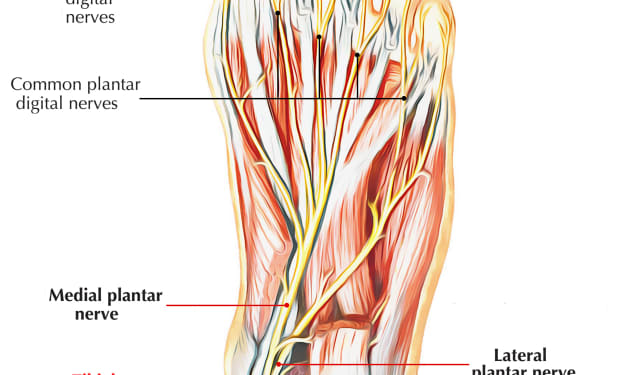
Most people don’t give much thought to their feet unless they’re uncomfortable or tired. Yet beneath the surface, the nerve endings in the feet are constantly working, sending vital information to the brain that influences balance, posture, and movement. These signals operate quietly in the background, but they play a far greater role in daily life than many people realize.
By AhmedFitLife6 days ago in Longevity



Comments
There are no comments for this story
Be the first to respond and start the conversation.