
The greater the amount of alcohol, the better the liver's detoxification function, and the less likely it is to get liver disease?
Liver disease


I believe many people would think that this is the case! The heavier the alcohol is, the better the liver's detoxification function will be, and the less likely it is to get liver disease. Is there a problem with this statement? Many people will also cite examples around them. XX is very good at drinking, can drink one or two catties of high-level liquor at a time without being drunk, and the liver function is normal; some people will argue whether it is "blushing" or drinking " Which type of person "white face" drinks more alcohol;
Drinking has become a "necessity" in many people's lives. Let's not busy drawing conclusions. After reading the following content, we will think for ourselves.

The experience of wine in the human body
Liquor, whether it is white wine, red wine, rice wine or beer, the main ingredient is alcohol, which is called ethanol in medicine. The so-called alcohol content is actually the concentration of ethanol in various types of wine. For example, the alcohol content of high-level white wine is 53. Degree or 54 degrees means that more than half of the ingredients are ethanol. There are many types of alcohol, which are indispensable for social interaction, but it is not a “necessary” for health. Alcohol can be absorbed through the oral cavity, esophagus, stomach, small intestinal mucosa, etc. The stomach can absorb 10-20%, and the small intestine absorbs 75-80 %, the alcohol absorbed into the blood flows into the organs of the body with the blood flow, including our brain tissues. The vast majority of alcohol is metabolized in the liver, and a very small amount (about 2-10%) of alcohol is directly excreted from urine, respiratory tract or sweat.

Alcohol metabolism is mainly in the liver. The metabolism and elimination of alcohol in the body requires the presence of two enzymes. One is alcohol dehydrogenase, which converts alcohol into acetaldehyde; the other is acetaldehyde dehydrogenase, which is responsible for oxidizing acetaldehyde. Exhaust carbon dioxide and water from the body. The symptoms of drunkenness are due to the lack of acetaldehyde dehydrogenase. Once acetaldehyde accumulates in the body too much, it will cause blood vessels to dilate and cause "blushing" symptoms. At the same time, it also directly affects the human nervous system to produce drunkenness; too much acetaldehyde The combination of aldehyde and intracellular proteins can destroy the structure and properties of the protein, reduce or even lose the activity of certain metabolic enzymes, and can also cause some tissues to lose their function and die. Therefore, acetaldehyde is not only the direct culprit of drunkenness, but also Especially the most serious damage to liver and pancreas function.

Why do some people drink a lot, and some people "blush" when they drink?
Alcohol metabolism is inseparable from alcohol dehydrogenase and acetaldehyde dehydrogenase. A small part of the former exists in the gastrointestinal tract and most of it exists in the liver, while the latter only exists in the liver. Therefore, the speed of alcohol metabolism is the so-called " The amount of alcohol is indeed the time to test the function of our liver!
Excessive drinking is "killing". The human body is rich in alcohol dehydrogenase content, and there is no individual difference. Therefore, the alcohol that is drunk can be quickly converted into acetaldehyde, and the content of acetaldehyde dehydrogenase in the human body is relatively high. Large individual differences, those with less acetaldehyde dehydrogenase content in the liver, the metabolism of acetaldehyde in the body is slow, acetaldehyde is easy to accumulate in the blood, it will cause telangiectasia, manifested as flushing or even face The skin flushing and other phenomena are usually referred to as "face up"; and those with a higher content of acetaldehyde dehydrogenase have a faster conversion rate of acetaldehyde, and it is not easy to “face up” and appear drunk symptoms. It is the so-called heavy drinker that we usually "envious".

Whether it is drinking "blushing" or "whitening", the harm caused by alcohol to the human body is objective. People with low alcohol intake tend to consume a relatively small amount of alcohol because they are drunk as soon as they drink, while people with large alcohol intake tend to consume more alcohol because they are “not drunk”. In fact, alcoholic liver disease tends to be more common in people who drink a lot of alcohol, and people who "blush" with drinking but still insist on drinking and hope to develop the so-called "drinking" are more dangerous.
Data show that the risk of liver cancer, esophageal cancer, and colon cancer due to long-term alcohol abuse is much higher than that of normal people.
The liver's detoxification function and the amount of alcohol are two different things
The liver has a powerful detoxification function, which is to ensure that the body does not cause poisoning reactions due to the production of endogenous metabolic wastes or harmful substances entering the body from the outside (endogenous metabolic wastes include: ammonia, bile pigment, hormones, etc.; external Source toxins include: drugs, poisons, food preservatives, pigments, alcohol, etc.), and the amount of alcohol is only an indicator reflecting the amount of acetaldehyde dehydrogenase in the liver. The amount of acetaldehyde dehydrogenase determines the symptoms of drunkenness Whether it is easy to occur has no correlation with the liver's detoxification function of other substances.
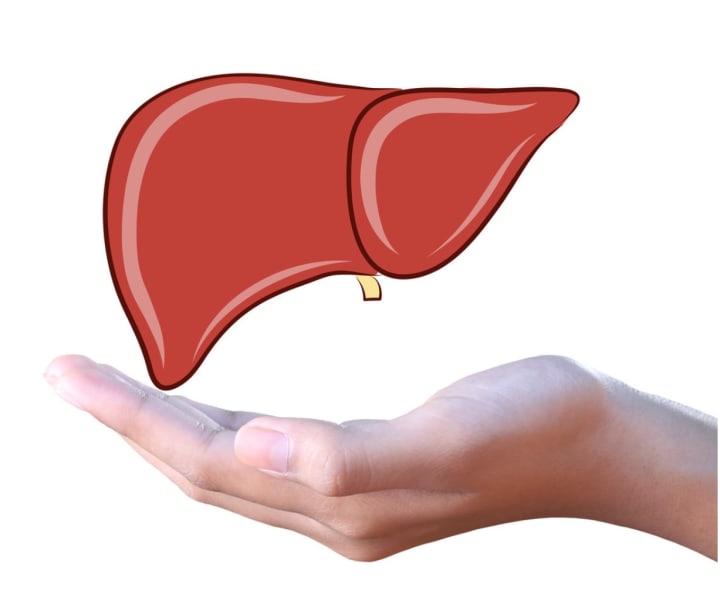
The liver function is complex and heavy. Of course, the liver’s detoxification function has a certain limit. Just like our usual work, if the daily workload and work efficiency remain relatively constant, it can operate normally, and if it continues to work overload, it will definitely bear it. No more. Long-term heavy drinking will cause liver dysfunction, which will inevitably affect the liver's detoxification function. At this time, it is not just easy to get drunk. The liver needs care.
From the experience of alcohol in the human body and the description of drunkenness and alcohol consumption, we can see that alcohol is not an essential substance for the human body. Its metabolic process increases the burden on the body. At the same time, the metabolites of alcohol, especially acetaldehyde, can cause serious problems to the human body. influences. In order to reduce the harm of drinking and avoid the occurrence of alcoholic liver disease, please put down the wine glasses in your hands. Don't think that there will be any magical medicine or artifact that can reduce the harm of alcohol to the human body. The most effective prevention method is also the only one. The way to stop drinking is to stop drinking, and it’s never too late to stop drinking at any time.
About the Creator
Keep reading
More stories from writers in Longevity and other communities.
Day 4 of Quitting
If this is how sobriety feels, maybe it’s better to go through life a little buzzed… this, along with other hits like, I want to kill myself, I wish I was dead, and I’m going to throw myself off a bridge have been the only thoughts on rotation these past few days. I promise myself that if, in a month, I still feel like this (‘this’ meaning despondent, full of rage, and simultaneously numb) I can go back to smoking. Until mid-February though? Nicotine is off the table.
By sleepy drafts23 days ago in Longevity
Most People Don't Feel Unhealthy ...Until Their Body Starts Limiting Their Life
Most people don't wake up one day and feel unhealthy. That's the problem. Decline doesn't announce itself. It blends in. It feels like stress. Like being busy. Like getting older. Like a phase that will pass once things calm down.
By Destiny S. Harrisa day ago in Longevity


Comments
There are no comments for this story
Be the first to respond and start the conversation.