
The Golden Years: Finding Happiness and Meaning After Sixty
Aging isn't slowing down—it's finding what really matters.


A New Chapter Opens
Turning sixty is widely viewed as a benchmark marking the beginning of "old age," but this characterization hardly does justice to the rich potential of this phase of life. Rather than a slowing down, life after sixty can be a time of renewal, liberation, growth, and increased purpose. These are the golden years—not just because they follow a long path of work and responsibility, but because they can shine more brightly than ever before with meaning, connection, creativity, and joy.
In this article, we’ll explore how people over sixty are discovering new passions, reconnecting with their communities, living healthier lives, and most importantly—defining purpose on their own terms.
Redefining Aging
Modern society has irrevocably associated negative stereotypes with the aging process—weakness, dependency, boredom. But today's seniors are rewriting the script. Due to longer life expectancy, better health care, and more access to information, people in their sixties, seventies, and even eighties are growing immune to outdated attitudes and are accessing opportunities.
Retirement is no longer a retreat. On the contrary, many are starting businesses, going back to school, or learning skills they never had time for in their earlier life. Painting to public speaking, hiking trails to digital storytelling, older adults are expanding identities instead of contracting into stereotypes.
I always wanted to be a writer," says 68-year-old Maria Alvarez. "Now that I'm retired, I finally had my first novel published. This feels like the start, not the finish, of my life."
The golden years are no longer viewed by many as a time of deterioration but of rediscovery.
Physical Well-being and Active Living
Exercise is one of the most potent methods older adults are regaining their vitality and energy. Although health issues inevitably rise with age, medical studies attest that regular exercise, even in moderation, substantially enhances mood, cognitive function, mobility, and longevity.
Secrets to Healthy Aging:
Exercise: Walking, yoga, tai chi, swimming, or low-impact aerobics
Diet: Balanced diets high in fiber, antioxidants, and lean protein
Rest: Sleep is increasingly vital to mental and physical health
Prevention: Regular health checkups and preventive maintenance
Senior-friendly gyms, walking clubs, and wellness programs available through the community are making it easier than ever to stay fit. It isn't a matter of running marathons—it's a matter of **being engaged** with one's body and mind.
"At 72, I'm more robust than I was at 50," says Dan, a retired firefighter. "I just had to learn to listen to my body and treat it like a friend, not a machine."
The Power of Purpose
Research by organizations like the National Institute on Aging shows that people with a **sense of purpose** live longer and experience greater levels of well-being. Purpose need not be grand—it can include caring for grandchildren, mentoring, gardening, painting, or volunteering.
What is distinct about this stage is that purpose becomes more internalized. After years of living to meet others' expectations, older adults will generally start to ask:
* What gets *me* pumped to be alive?
* What do I want to leave behind me?
* How can I continue to learn and grow?
The majority of those over sixty say they've stopped trying to prove themselves and now want meaningful, enriching experiences. They're not driven by ambition or approval—they're driven by authenticity.
Emotional Growth and Wisdom
While physical strength may wane, emotional intelligence tends to flourish. Older individuals typically have:
* Greater self-acceptance
* More patience and perspective
* Emotions more in balance
* Deep gratitude for simple things
These qualities enhance relationships and make personal lives more fulfilling. Many elders find that they are finally able to **let go of old wounds**, forgive more easily, and focus on what truly matters.
"There's a peace that comes in your seventies," says Helen, a 74-year-old gardener. "You realize you don't have to chase everything. You just have to be present."
This emotional clarity can be a source of tremendous joy—and also allows elders to be excellent mentors, listeners, and leaders in their communities.
Connection and Community
One of the greatest challenges of aging is **loneliness**. As people retire, lose partners, or see their children move away, their social circles can shrink. And yet, this challenge can also spur intentional connection.
Many elders are:
* Joining local clubs or religious communities
* Volunteering or mentoring
* Engaging in intergenerational activities
* Getting back in touch with friends through technology
New technology—video calling, online courses, senior-friendly apps—keeps you connected and makes you feel included, no matter where you live.
"My granddaughter taught me how to use Zoom. Now I teach an online baking class for other seniors every Sunday!" 66-year-old Margaret laughs.
Human relationship remains one of the most reliable predictors of happiness at any age.
Reinventing Work and Creativity
More older adults are **working by choice**, not necessity. Some become consultants, others form nonprofits, teach, or turn hobbies into income.
Creative activities, in particular, flourish in the golden years. People have more time to:
* Write books or memoirs
* Paint or sculpt
* Learn music or new musical instruments
* Attempt crafts like quilting or woodworking
"I took up watercolor painting at 69," says Arjun, a retired engineer. "I now sell my work at local fairs. It isn't the money—it's expressing myself at last."
Many find a second wind in life, this time not powered by stress but by passion.
Spirituality and Reflection
As people age, concerns about legacy, meaning, and mortality become more prominent. This naturally leads to a deepening of spiritual or philosophical inquiry.
No matter whether through formal religion, meditation, nature walks, or journaling, elders become more reflective—seeking peace and acceptance more than solutions.
**Questions that older adults tend to examine:**
* Have I lived the life I wanted to live?
* Whom have I served?
* What is living well?
Some like to share values, tell their life story, or write down family history so that the generations to come know where they came from.
This **sense of continuity and purpose** can be one of the most rewarding aspects of the golden years.
Coping with Loss and Developing Resilience
Loss is part of aging—loss of loved ones, health, independence. And yet many seniors exhibit remarkable resilience. They grieve, but also grow.
Support groups, counseling, support networks, religion, and friendship all help seniors survive pain and rebuild joy.
Resilience doesn't negate loss. It's moving forward and opting for life in spite of grief.
"I lost my wife after 40 years," says Robert, 81. "For a while, I didn't want to go on. But then I planted her favorite flowers in the garden. Now every spring, she comes back to me."
Giving Back
Many elders feel a new compulsion to **give back**. They volunteer, mentor, care for others, or advocate for a cause they believe in.
Whether they're passing on life skills to young people, offering expertise to nonprofits, or serving neighbors, older adults often feel the pull to **leave the world a better place than they found it.**
Giving creates purpose, connection, and legacy—all vital to happiness.
I may be retired from employment," says Lillian, 67, "but I'm not retired from living. I've still got so much to give."
Celebrating Life
The golden years give us a chance to **celebrate** life in ways we often take for granted when we're younger. With less stress, more wisdom, and a deeper appreciation for time, every moment becomes more valuable.
Whether it's:
* Dancing barefoot at a grandchild's wedding
* Laughing with old friends around a campfire
* Sipping coffee at a quiet dawn
…joy is everywhere.
Aging doesn't lessen joy—it simplifies it.
Embracing the Golden Years
Turning sixty isn't an ending—it's an invitation.
An invitation to live more deeply. To speak more honestly. To love more freely. To redefine what it means to be alive.
In the golden years, people stop striving for "more" and start embracing "enough." And in that, they find something incredible:
**Joy. Purpose. Peace.**
Not in spite of their age—but because of it.
About the Creator
Niaz Khan
Writer and advocate for humanity, Niaz uses the power of words to inspire change, promote compassion, and raise awareness on social justice, equality, and global well-being through thoughtful, impactful storytelling.
The Hidden Cost of "Safe" Senior Living: When Retirement Dreams Turn Into Legal Battles
Older Americans often view senior housing as a reward after years of effort. These places, such as self-contained apartments or full-service retirement homes, advertise professional care, calm routines, and peace of mind. Loved ones might picture them as quiet refuges.
By William Powell4 days ago in Longevity
Meet the Parsi Cousin of Biryani — Niloufer Mavalvala’s Murghi no Palau
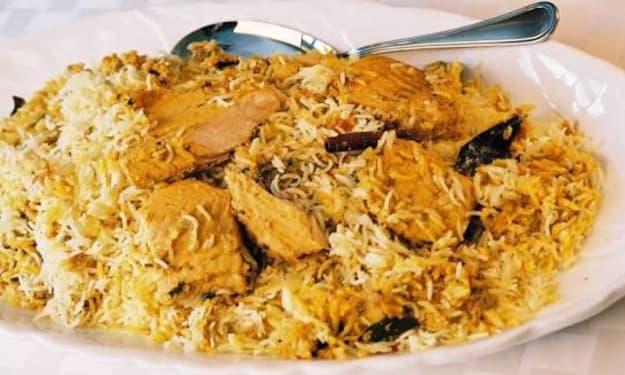
When it comes to Indian cuisine, biryani often steals the spotlight with its fragrant rice, tender meat, and complex spices. Yet, among the Parsi community in India, a lesser-known cousin of biryani — Murghi no Palau — holds a cherished place at family tables and festive occasions. Chef Niloufer Mavalvala, a celebrated Parsi culinary historian and cookbook author, has been instrumental in bringing this traditional dish to wider attention, showcasing the delicate flavors and cultural significance that distinguish it from its more famous relative. Murghi no Palau literally translates to “chicken with rice” and is a Parsi take on the classic rice-and-meat combination. While it shares similarities with biryani, including the use of aromatic spices, the dish emphasizes subtlety over the fiery intensity that biryani is often known for. Mavalvala explains that Parsi cooking traditionally favors a balance of flavors, where no single spice overwhelms the palate, and each ingredient contributes to a harmonious whole. “The beauty of Murghi no Palau lies in its elegance,” says Mavalvala. “It’s not just a dish; it’s a reflection of Parsi values — refinement, restraint, and celebration of good ingredients.” The dish typically features marinated chicken cooked with basmati rice, onions, saffron, and ghee, with a medley of mild spices such as cinnamon, cardamom, and cloves. Unlike many biryani variants, it avoids heavy use of chili or hot masalas, allowing the natural flavors of the chicken and rice to shine. Historically, Murghi no Palau has been a dish reserved for special occasions within Parsi households. Weddings, Navroz (the Parsi New Year), and milestone celebrations often feature this dish as a centerpiece. Mavalvala notes that its preparation is considered an art form, with layers of rice and meat carefully arranged to ensure even cooking and flavor distribution. “Every family has its own version,” she says. “Some add raisins or cashews, some prefer a hint of rosewater. It’s a dish of tradition, but also of personal expression.” The Parsi community, originally Zoroastrians who migrated to India from Persia centuries ago, has a rich culinary heritage that blends Persian, Gujarati, and British influences. Murghi no Palau exemplifies this synthesis, reflecting both the Persian roots of rice pilafs and the subtle Indian spice sensibilities acquired over generations in Gujarat and Mumbai. Mavalvala has dedicated much of her career to documenting Parsi recipes that risk fading into obscurity. Through her cookbooks, workshops, and online classes, she has shared step-by-step instructions for Murghi no Palau, emphasizing techniques such as slow-cooking chicken to preserve tenderness and layering saffron-infused rice for both aroma and visual appeal. She also stresses the importance of ghee and fresh ingredients, which she says are central to achieving authentic flavor. One striking feature of Murghi no Palau is the use of caramelized onions, which add both sweetness and depth to the dish. Combined with saffron and mild spices, the onions create a golden, fragrant rice that is at once comforting and elegant. The chicken, marinated in yogurt, garlic, and a touch of turmeric, cooks gently alongside the rice, infusing it with subtle richness without overwhelming the palate. For those accustomed to robust biryani flavors, Murghi no Palau offers a gentle, nuanced experience. It invites diners to appreciate restraint, balance, and the layering of textures — characteristics that define much of Parsi cuisine. Mavalvala believes that sharing this dish with wider audiences helps preserve an important cultural legacy. As global interest in regional Indian cuisines grows, Murghi no Palau is increasingly appearing on menus in Mumbai, Delhi, and even international restaurants dedicated to Parsi fare. Food enthusiasts and chefs alike are discovering that this “cousin of biryani” is not merely a variant, but a dish that embodies centuries of tradition, history, and the Parsi philosophy of life: measured, thoughtful, and full of warmth.
By Fiaz Ahmed 4 days ago in Longevity
Guard Your Battery
Why are some people so attractive just by standing there? It’s not because they are "likable," but because they don’t need everyone to like them. I realized later that truly charismatic people allow themselves to be criticized, but they never criticize themselves. They never try to please the world; instead, the world stops to watch them.
By Emily Chan - Life and love sharing6 days ago in Poets


Comments
There are no comments for this story
Be the first to respond and start the conversation.