
The Ginseng Paradox: Can This Ancient Energy Root Be Safe for High Blood Pressure?
In our modern quest for wellness, many of us are turning back to the ancient world, seeking natural remedies that have stood the test of time. We hear whispers of powerful herbs that can boost vitality, sharpen the mind, and restore balance. Among the most legendary of these is Ginseng, a gnarled root revered in Eastern traditions for millennia as a cornerstone of health and longevity.


Often hailed as the "King of Herbs," ginseng is celebrated for its ability to combat fatigue and enhance physical performance. It's what's known as an adaptogen—a remarkable class of plants that help the body adapt to and resist physical, chemical, and biological stress. But this very energizing property is what raises a critical question for millions worldwide: Is it safe to take ginseng if you have high blood pressure?
The concern is logical. Anything that boosts energy might seem risky for a condition where keeping the cardiovascular system calm is paramount. The answer, however, isn't a simple yes or no. It lies in a deeper understanding of the herb itself, your specific health condition, and a healthy dose of caution.

Understanding the Nuance: Not All Ginseng is the Same
First, it’s important to recognize that "ginseng" is a broad term. The two most studied varieties are Panax ginseng (Korean Red Ginseng) and Panax quinquefolius (American Ginseng). Traditionally, Korean ginseng is considered more "warming" or stimulating, while American ginseng is seen as "cooler" and more calming.
Much of the concern around blood pressure stems from the stimulating reputation of Korean Red Ginseng. However, its role as an adaptogen means its primary function is to help the body return to a state of balance, or homeostasis. Some scientific studies have suggested that, in certain contexts, ginsenosides (the active compounds in ginseng) may actually help improve circulation and support cardiovascular health by promoting the release of nitric oxide, which helps relax blood vessels.
This creates the paradox: an herb known for energy might also support balance. So, where does that leave someone with hypertension?
The Deciding Factor: Is Your Blood Pressure Under Control?
This is the most critical question you and your doctor must answer. There is a world of difference between managed hypertension and an uncontrolled condition.
For Uncontrolled High Blood Pressure: If your blood pressure is consistently high and not well-managed with medication or lifestyle changes, introducing a potent herb like ginseng is strongly discouraged. Its effects can be unpredictable and could potentially exacerbate the situation.
For Controlled High Blood Pressure: If your blood pressure is stable and well-managed through medication and a healthy lifestyle, the conversation changes. Some individuals, under strict medical supervision, might be able to incorporate ginseng safely. The key is that this decision must be made in partnership with a healthcare professional who understands your full medical history.
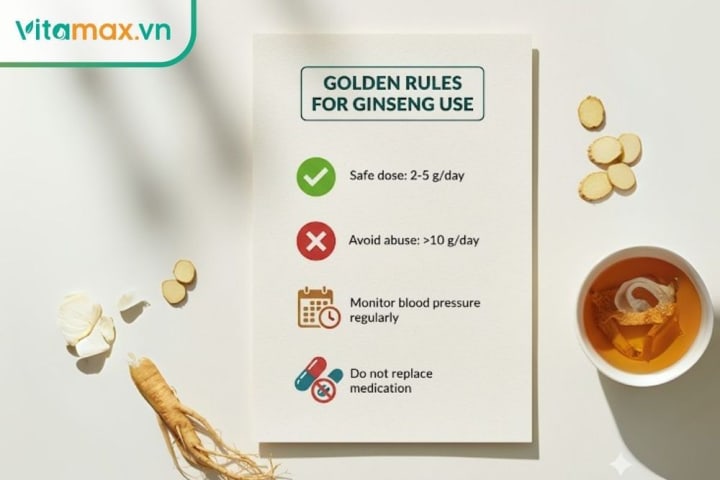
The Golden Rules for Safe Exploration (If Approved by Your Doctor)
If you and your doctor have decided that trying ginseng is a reasonable option, it must be approached with extreme caution. Think of it not as a supplement, but as a powerful natural compound that demands respect.
Start Low, Go Slow: The cardinal rule is to begin with a very low dose—much lower than the standard recommendation on the product label. This allows you to monitor how your body responds without overwhelming your system.
Timing is Key: Ginseng is best taken in the morning. Its energizing effects can interfere with sleep patterns if taken in the afternoon or evening, and poor sleep is a known contributor to high blood pressure.
Monitor Diligently: Keep a regular log of your blood pressure readings after you start taking ginseng. Check it at the same time each day to get a consistent baseline. If you notice any unusual spikes or feel any adverse symptoms like headaches, dizziness, or heart palpitations, stop immediately and consult your doctor.
Beware of Interactions: Ginseng can interact with various medications, including blood thinners (like warfarin), diabetes medications, and of course, blood pressure medications. This is another reason why a doctor’s guidance is not just recommended, but essential.
Conclusion: A Path of Caution and Wisdom
The allure of an ancient remedy like ginseng is powerful, but modern health conditions require a modern, evidence-based approach. For individuals with high blood pressure, ginseng isn't a straightforward "yes" or "no." It is a "maybe," surrounded by conditions of caution, medical supervision, and self-awareness.
The journey into herbal wellness should be one that enhances your health, not endangers it. A deeper understanding of these traditional practices is always beneficial. For our Vietnamese-speaking readers interested in a highly detailed analysis from a specialized health resource in their native language, the following guide offers a comprehensive look into this very topic.
👉 For a complete and in-depth guide in Vietnamese, you can explore the full article on Vitamax.vn
About the Creator
Vitamax
Vitamax - Thương hiệu uy tín hàng đầu cung cấp thực phẩm chức năng & thảo dược thiên nhiên cao cấp. Cam kết nguồn gốc tự nhiên, chất lượng quốc tế.
Website :https://vitamax.vn/
Hotline :0909689399
Day 4 of Quitting
If this is how sobriety feels, maybe it’s better to go through life a little buzzed… this, along with other hits like, I want to kill myself, I wish I was dead, and I’m going to throw myself off a bridge have been the only thoughts on rotation these past few days. I promise myself that if, in a month, I still feel like this (‘this’ meaning despondent, full of rage, and simultaneously numb) I can go back to smoking. Until mid-February though? Nicotine is off the table.
By sleepy drafts10 days ago in Longevity
Cloud's advice
A Conversation with the Cloud Friday, 5 January 2018 By Javed Iqbal Dark clouds had spread across the sky. They were so thick and heavy that even during the daytime, it felt as if night had fallen. Zeeshan was walking quickly toward his fields. He was worried that if it started raining, the bundles of wheat lying in the open would be damaged. He wanted to cover them with plastic sheets before the rain arrived.
By Sudais Zakwan3 days ago in Longevity



Comments
There are no comments for this story
Be the first to respond and start the conversation.