
The Connection Between Pregnancy and Heart Health
How Pregnancy Affects the Heart

Pregnancy is a time of profound change for the body, and one of the most significant transformations occurs in the cardiovascular system. As the body adjusts to support the growing baby, the heart and blood vessels experience an increased workload. In most women, these changes are temporary and resolve after childbirth, but in some cases, pregnancy can uncover or exacerbate heart-related issues. Recognizing how pregnancy impacts heart health, understanding the risks, and knowing how to manage these changes are crucial for a safe pregnancy and long-term well-being.
How Pregnancy Affects the Heart
Increased Blood Volume:
During pregnancy, blood volume increases by about 40-50% to supply oxygen and nutrients to both mother and baby. This higher volume makes the heart work harder, leading to an increase in heart rate and cardiac output (the amount of blood the heart pumps per minute).
Higher Heart Rate:
As the heart works to pump more blood, it beats faster. Resting heart rates during pregnancy can be 10-20 beats per minute higher than usual. This elevated heart rate helps meet the demands of both the mother and the fetus.
Lower Blood Pressure (Initially):
In the first half of pregnancy, blood pressure often drops due to the relaxation of blood vessels. Hormones like progesterone help dilate the blood vessels, allowing blood to flow more easily, but in the later stages, blood pressure often rises to pre-pregnancy levels.
Increased Cardiac Output:
The heart pumps more blood with each beat during pregnancy, with cardiac output increasing by 30-50%. This boost is necessary to circulate more blood through the body and to the placenta, supporting the developing fetus.
Heart Conditions That Can Arise or Worsen During Pregnancy
Pregnancy-related heart issues can develop in women with pre-existing heart conditions or those who had no prior heart problems. Common pregnancy-related heart conditions include:
Gestational Hypertension:
High blood pressure that develops during pregnancy, known as gestational hypertension, usually occurs after 20 weeks. It can lead to complications if left untreated, and is often monitored closely by healthcare providers.
Preeclampsia:
A more serious condition than gestational hypertension, preeclampsia involves high blood pressure and organ damage, most commonly affecting the liver and kidneys. It can be life-threatening for both mother and baby if not managed.
Peripartum Cardiomyopathy:
This is a rare but serious condition in which the heart weakens and enlarges during the last month of pregnancy or shortly after delivery, reducing its ability to pump blood effectively. Women with peripartum cardiomyopathy may experience symptoms similar to heart failure, such as fatigue, swelling, and shortness of breath.
Arrhythmias:
Heart rhythm disorders, or arrhythmias, are more common during pregnancy due to the increased stress on the heart. While most arrhythmias are benign, some may require medical attention, especially if they lead to symptoms like palpitations, dizziness, or fainting.
Congenital Heart Disease (CHD):
Women born with heart defects (congenital heart disease) are at higher risk of complications during pregnancy. Depending on the type and severity of the defect, pregnancy can strain the heart and increase risks to both mother and baby.
Risk Factors for Heart Problems During Pregnancy
Several factors can increase the likelihood of heart-related complications during pregnancy, including:
Older Maternal Age: Women over 35 may face a higher risk of heart issues during pregnancy.
Obesity: Excess weight can increase blood pressure and strain the heart, heightening the risk of complications.
Pre-existing Hypertension: Women with a history of high blood pressure before pregnancy are more likely to experience heart issues.
Diabetes: Gestational or pre-existing diabetes can increase cardiovascular risks during pregnancy.
Family History of Heart Disease: Genetic factors can contribute to heart health risks, especially during pregnancy.
Warning Signs of Heart Issues During Pregnancy
While some heart-related symptoms are common due to the increased workload on the heart, certain signs should prompt immediate medical attention. These include:
Persistent Chest Pain or Tightness: Unexplained chest pain could indicate a heart condition.
Shortness of Breath: While mild breathlessness is common, severe or sudden shortness of breath can signal a problem.
Swelling: While some swelling is normal, sudden or extreme swelling, especially in the legs or face, could be a sign of preeclampsia.
Severe Headaches and Visual Changes: These symptoms may be associated with high blood pressure or preeclampsia.
Palpitations or Rapid Heart Rate: A racing heart that doesn’t settle with rest or is accompanied by dizziness may need evaluation.
Maintaining Heart Health During Pregnancy
To minimize the risk of heart-related issues, women can take steps to support heart health before and during pregnancy:
Prenatal Care:
Regular prenatal check-ups are essential to monitor heart health, blood pressure, and other vital signs. Women with pre-existing heart conditions may require more frequent monitoring.
Healthy Diet:
A balanced diet that includes fruits, vegetables, whole grains, lean proteins, and healthy fats can support cardiovascular health. Limiting salt intake can help control blood pressure, while foods high in fiber and low in saturated fats can help manage cholesterol.
Physical Activity:
Low-impact exercises like walking, swimming, and prenatal yoga can benefit the heart, improve circulation, and reduce stress. Women should consult their healthcare provider to determine an exercise plan that’s safe during pregnancy.
Manage Weight:
Gaining a healthy amount of weight during pregnancy is essential for both mother and baby. Excess weight can increase heart strain and the risk of gestational hypertension and preeclampsia.
Monitor Blood Pressure and Blood Sugar:
Women with a history of high blood pressure or diabetes should monitor these levels closely during pregnancy. Gestational diabetes or gestational hypertension can pose risks to both mother and child, so regular screenings are crucial.
Avoid Smoking and Alcohol:
Both smoking and alcohol can negatively impact heart health and are harmful to the developing baby. Smoking increases blood pressure and decreases oxygen supply to the heart, while alcohol affects blood pressure and overall cardiovascular health.
Reduce Stress:
Pregnancy can be an emotional time, and managing stress is essential for heart health. Techniques like deep breathing, meditation, and spending time with loved ones can help reduce stress levels.
After Pregnancy: Postpartum Heart Health
The heart usually returns to its pre-pregnancy state within a few months after childbirth, but it’s essential to monitor heart health during the postpartum period. For women who experienced pregnancy-related heart complications, such as preeclampsia or peripartum cardiomyopathy, postpartum care is crucial. Some steps include:
Regular Follow-Up Appointments: Women with a history of heart complications should have regular check-ups to monitor heart health after delivery.
Lifestyle Changes: Maintaining a heart-healthy lifestyle postpartum is essential. This includes a balanced diet, physical activity, and managing stress.
Breastfeeding: Breastfeeding has been shown to have some cardiovascular benefits for mothers, and it may also help in returning to a healthy weight after childbirth.
Long-Term Implications
Pregnancy-related heart issues, such as gestational hypertension and preeclampsia, can increase the risk of cardiovascular disease later in life. Women with a history of these complications should be vigilant about their heart health, as early intervention and lifestyle changes can help reduce future risks. Regular check-ups, heart-healthy lifestyle habits, and awareness of risk factors are vital for ongoing cardiovascular health.
Pregnancy places unique demands on the cardiovascular system, and understanding how these changes impact heart health is essential. By being mindful of the risks, taking proactive steps to support heart health, and seeking regular medical care, women can navigate pregnancy with greater confidence and prepare for a heart-healthy future. Whether through diet, exercise, stress management, or medical monitoring, each step taken toward heart health during pregnancy contributes to the well-being of both mother and child.
About the Creator
Keep reading
More stories from DIGITAL HUB and writers in Longevity and other communities.
Understanding Heart Attack Symptoms in Women vs. Men
Heart attacks don’t always look the same for men and women, and understanding these differences is essential for timely recognition and treatment. Traditionally, heart attacks have been associated with a stereotypical image of chest pain radiating down the left arm—a common experience among men. However, women may experience a different set of symptoms, which can be more subtle and therefore harder to recognize. Recognizing these variations is crucial for improving outcomes, as early detection and treatment significantly enhance survival rates and recovery.
By DIGITAL HUBabout a year ago in Longevity
Day 4 of Quitting
If this is how sobriety feels, maybe it’s better to go through life a little buzzed… this, along with other hits like, I want to kill myself, I wish I was dead, and I’m going to throw myself off a bridge have been the only thoughts on rotation these past few days. I promise myself that if, in a month, I still feel like this (‘this’ meaning despondent, full of rage, and simultaneously numb) I can go back to smoking. Until mid-February though? Nicotine is off the table.
By sleepy drafts15 days ago in Longevity
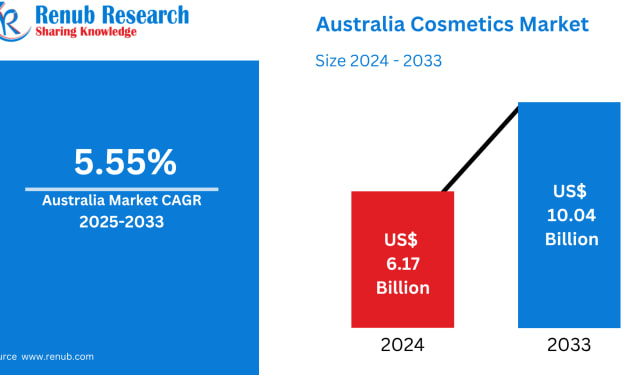
Australia Cosmetics Market Size and Forecast 2025–2033
Australia Cosmetics Market Overview The cosmetics industry represents far more than appearance enhancement—it is a reflection of lifestyle, self-care, science, and cultural identity. Cosmetics include a wide range of products designed to cleanse, protect, nourish, and beautify the skin, hair, and body, while also enabling self-expression and confidence. From skincare and makeup to fragrances and haircare, the industry continuously evolves by blending innovation with changing consumer expectations.
By jaiklin Fanandishabout 14 hours ago in Longevity
Smart phones, Humans and Aliens.
WARNING. I will be tapping into one of your favorite creative tensions: The absurdity of humans worshipping their glowing rectangles as if they were tiny oracles. There’s something deliciously poetic about that contradiction, and it lends itself beautifully to an instructive proviso.
By Novel Allen6 days ago in Poets



Comments
There are no comments for this story
Be the first to respond and start the conversation.