
"The Benefits of Martial Arts: Building Strength and Confidence"
Empowering Mind and Body through Martial Arts Training

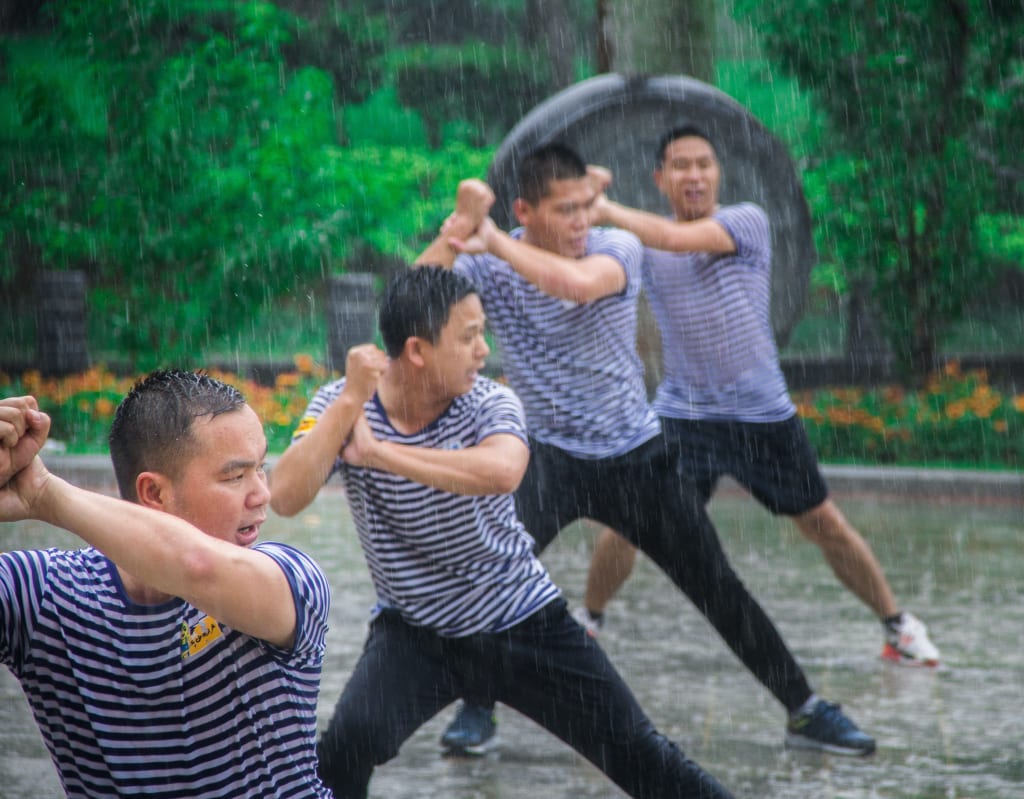
Martial arts offer numerous benefits that can contribute to building strength and confidence. Here are some key advantages:
o Physical Fitness: Martial arts training involves a combination of cardiovascular exercise, strength training, and flexibility exercises. It promotes overall physical fitness, including improved strength, endurance, balance, coordination, and flexibility.
o Self-Defense Skills: Learning martial arts equips individuals with practical self-defense techniques and strategies. This knowledge can enhance personal safety and provide a sense of security, increasing confidence in one's ability to protect oneself if necessary.
o Discipline and Focus: Martial arts training emphasizes discipline, focus, and concentration. Through consistent practice, students develop the ability to concentrate on their movements, techniques, and goals. This enhanced focus can carry over into other areas of life, improving productivity and performance.
o Stress Relief: Engaging in martial arts provides a healthy outlet for stress and tension. The physical activity and mental focus involved in training can help reduce anxiety, relieve stress, and promote relaxation. Martial arts can serve as a form of meditation in motion, allowing practitioners to find balance and mental clarity.
o Increased Self-Confidence: As martial arts skills improve, self-confidence naturally grows. Mastering techniques, progressing through belt ranks, and achieving goals in martial arts can boost self-esteem. With each new accomplishment, individuals gain a greater belief in their abilities, both inside and outside the training environment.
o Respect and Discipline: Martial arts instill a sense of respect for instructors, peers, and the martial arts tradition itself. Students learn to follow rules and etiquette, showing respect for their training partners and opponents. This discipline fosters self-control, humility, and a positive attitude towards others.
o Mental Strength and Resilience: Martial arts training builds mental toughness and resilience. It teaches individuals to overcome challenges, push through adversity, and face their fears. The discipline and perseverance required in martial arts training can carry over into other areas of life, helping individuals overcome obstacles and achieve goals.
o Improved Body Awareness: Martial arts training enhances body awareness and control. Practitioners become more attuned to their bodies, learning proper body mechanics, balance, and coordination. This increased body awareness can improve overall posture, movement efficiency, and reduce the risk of injury.
o Social Connection: Joining a martial arts community provides an opportunity for social connection and support. Training with others who share a common interest fosters camaraderie, friendship, and a sense of belonging. The supportive training environment can contribute to overall well-being and personal growth.
o Character Development: Martial arts training places great emphasis on character development and the development of positive values such as integrity, humility, and perseverance. Practitioners learn about respect, empathy, and the importance of maintaining a positive mindset, promoting personal growth and the cultivation of strong moral values.
By engaging in martial arts, individuals can experience physical and mental transformation, developing strength, confidence, and a greater sense of self. The benefits extend beyond the training mat, positively impacting various aspects of life.
When it comes to martial arts for beginners, there are several disciplines that offer a great introduction to the world of self-defense, discipline, and physical fitness. Here are a few examples:
Karate: Karate is a traditional Japanese martial art that focuses on striking techniques such as punches, kicks, and knee strikes. It emphasizes discipline, self-control, and character development. Karate training typically involves forms (katas), sparring, and self-defense techniques. It is suitable for beginners of all ages and fitness levels.
Taekwondo: Taekwondo is a Korean martial art known for its dynamic kicks and fast-paced movements. It promotes physical fitness, flexibility, and agility. Taekwondo training includes patterns (poomsae), sparring, and breaking techniques. It is beginner-friendly and often taught in a structured and disciplined environment.
Brazilian Jiu-Jitsu: Brazilian Jiu-Jitsu (BJJ) is a grappling-based martial art that focuses on ground fighting and submissions. It emphasizes technique, leverage, and strategy rather than relying solely on physical strength. BJJ is suitable for beginners as it teaches effective self-defense techniques and offers a supportive and cooperative training environment.
Judo: Judo is a Japanese martial art that emphasizes throws and grappling techniques. It focuses on using an opponent's energy and momentum to gain control. Judo training involves learning throws, groundwork, and self-defense techniques. It is beginner-friendly and promotes physical fitness, balance, and coordination.
Krav Maga: Krav Maga is a self-defense system developed for the Israeli military. It emphasizes practical and efficient techniques for real-world situations. Krav Maga training includes strikes, defensive maneuvers, and scenario-based training. It is beginner-friendly, and its focus on real-world applications can be appealing to those seeking self-defense skills.
These martial arts provide a solid foundation for beginners, as they offer a balance of physical fitness, self-defense techniques, and personal development. When starting martial arts, it's important to find a reputable school or instructor who can provide proper guidance and a safe learning environment. Remember that consistency, dedication, and a willingness to learn are key to progressing in any martial art.
About the Creator
Jorelyn M. Macasadog
My aim is to captivate the audience, spark their imagination, or provide a form of escapism from daily life. I used articles as a platform to share their personal experiences, insights, and lessons learned.
Keep reading
More stories from Jorelyn M. Macasadog and writers in Longevity and other communities.
"Travel Your Way to Health: Wellness Retreats and Adventures"
"Travel your way to Health: Wellness Retreats and Adventures" is an article that explores the concept of wellness travel and highlights the benefits of embarking on wellness retreats and adventures for one's overall health and well-being. Here's an elaboration on the key points covered in the article:
By Jorelyn M. Macasadog3 years ago in Longevity
Why Our Minds Overthink at Night
Have you ever noticed how your mind suddenly becomes extremely active at night? You lie down to sleep, but instead of resting, your brain starts replaying conversations, worrying about the future, or analyzing things that happened earlier in the day.
By Being Inquisitive6 days ago in Longevity
🥑 7 Superfoods Every Pregnant Woman Should Eat for a Healthy Baby
Pregnancy is a beautiful journey, but it also comes with an important responsibility—nourishing both the mother and the growing baby. During this time, what a woman eats becomes the baby’s main source of nutrients.
By Being Inquisitive5 days ago in Longevity




Comments
There are no comments for this story
Be the first to respond and start the conversation.