
The Art of Shuteye
For What it's Worth.

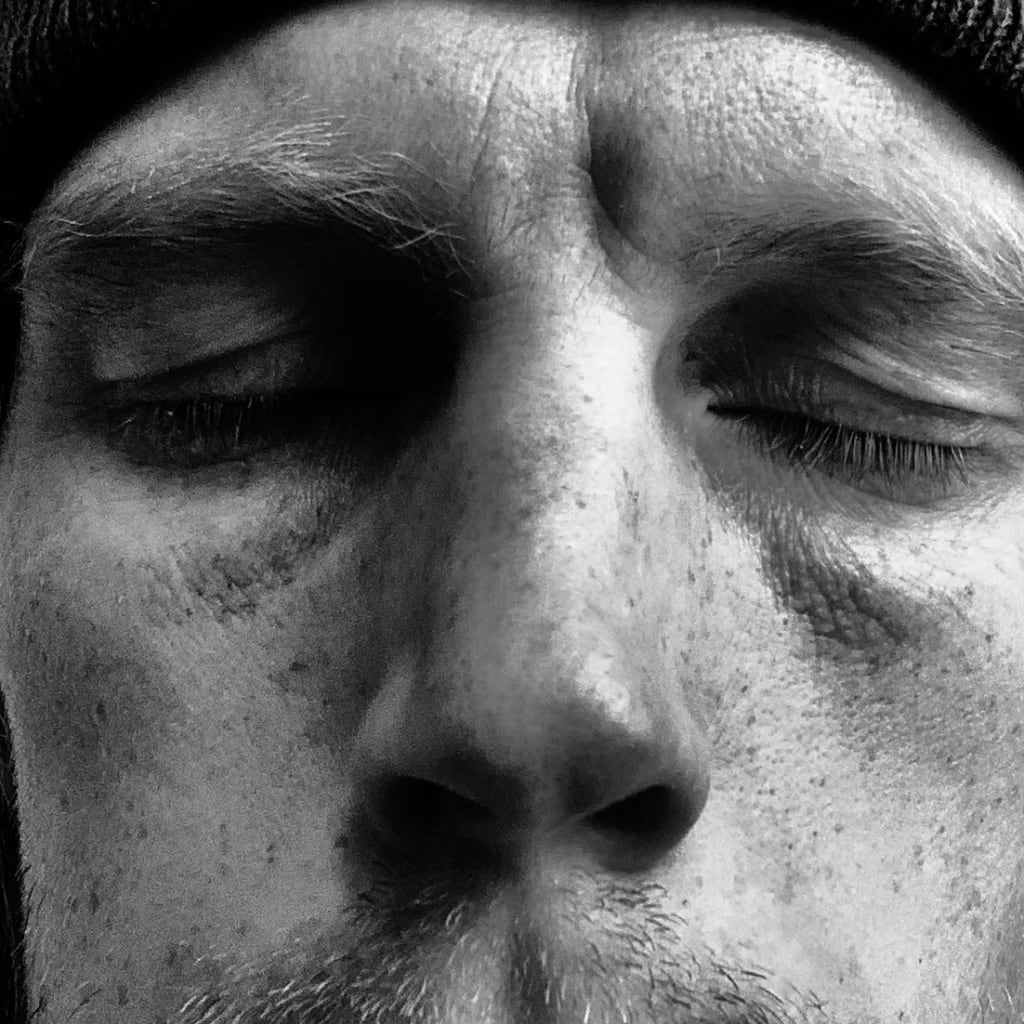
Among the things that I can measure to judge the condition of my physical life, sleep quality is the most accurate and reliable indicator of whether I am in a good place or not. As a young fellow, there were 8 years of mismanaged nonsense that I regret to some degree. Supposing that hindsight is perfect and impossible to act upon, I guess it isn't fair to think I could redo anything. Perhaps if it were possible I'd let my younger self know that it was a dead-end road. Unfortunately, I have more data to represent my mistakes than I do my successes in this. The only way the list makes sense is if I write it as though it applied to me back then. It certainly isn't a scientific approach, but it is how things ended up. Maybe it'll help you as 2022 approaches, I'm still trying to abide.
If you're going to use caffeine, limit the amount and stick to a timeframe.
For nearly a decade, a day looked like this: 3 or 4 cups of coffee at the office followed by a day of summer farm work, punctuated by two 12oz sugar-free RedBulls, concluding with some evening classes at the university and likely one last cup of coffee from the cafeteria. It's a dehydrated and overstimulated way to live for the most part. The work takes a toll on the body and the classes take a toll on the mind, there is no substitute for sleep. I didn't seem to be affected by it at the time, but over the years I've had to quit the synthetic caffeine products, and stop the coffee intake before noon in order to maintain better sleep. At some point, my tolerence dissolved and I would lay awake wondering what on earth could cause the awful sleeplessness. Go figure. Now, I brew 1 big strong cup of coffee in the morning and make it last for an hour or so. This method keeps the microwave busy, and allows me to be free and clear of the wakeful effects within a few hours. At that point, the day is rolling along and I do my best to avoid further consumption. Despite the clever math of the golf legend John Daly, caffeine plus nicotine does not equal protein. I wish it did. A common misnomer appears when we look at the fact that energy, for us, is measured in calories, not milligrams of caffeine. A so called sugar-free energy drink does not indeed contain energy. Even the full-sugar varieties contain what we should understand is an inefficient and unhealthy form of nutrition in pure glorious star-spangled liquid sugar. Tip it back and wait for the crash if you want, but don't say I didn't warn you.
If you're going to exercise, particularly lifting heavy, get a soild 7 hours of sleep.
Exercise has been an important part of my lifestyle over the years. I've gone through various iterations of different programs, and settled upon one that works. I live on a farm in rural California. On this farm I have an old cinderblock milking barn with a corrugated steel roof and leaky windows. It's perfect. I built up a collection of kettlebells and welded a squat rack and waited for all of the free shipping deals to buy more weight over time. I acquired an air resistance bike and some stall mats from the local feed store. Now I can walk across the gravel driveway and be at the gym. No membership, no sharing equipment, no house music or death metal, no sweaty guy asking for a spot so he can show you how much he can lift. Time to get big and strong, almost. After a couple years of living wired to the panel, the side effects of poor sleep quality came to collect their tax. I noticed that I was sloppy in my form and always felt like I was one repetition away from an injury. Any dynamic movement with real weight felt like a gamble, and it got old. Heavy squats and dead lifts put pressure on the knees and spine that wasn't quite right. Performance plateaud, and results were hard to maintain. I started to realize that well-rested nights allowed stronger days. Go figure, again. Now when I decide to lift heavy, I make sure that I do everything I can to sleep for an uninterrupted 7 hours, maybe 8 if things go swimmingly. With decent rest, soreness subsides more promptly, joints feel less inflamed, posture improves, and I'm better fixed to face another day moving iron out in the old barn.
Wake up as early as you can, relative to your schedule, and keep moving.
In the bygone days of bachelorhood, I would stay up too late. Maybe I was writing a paper or watching a movie or hitting the duct-taped heavybag in the breezeway or playing darts or ping-pong in the garage; all equally important chores at the time. It became a habit to be up late, and often I'd go run a few miles at midnight or so to burn off the troubles and chemicals of the day. I came back and slept for a few hours and got up for work at 5:30. I seldom felt rested, and I often slept through my alarm and woke to a roommate throwing something at me. I still appreciate the wake-up grenades of a faithful friend. For too long, it didn't occur to me how absurd it was that my alarms were loud and persistent enough to wake up another dude down the hall, and alert him to my situation. My body was robbing sleep from me because it was starving for it. After a few days of this in a given week, I would come home from long days of work and lay on the hardwood floor in my room. Greasy jeans and dirty boots were my summer pajamas. Just to rest my eyes, just for a minute. I'd wake confused in the dark close to midnight. My phone had missed calls and unopened text messages. I had to look at the date to see what I missed and what day it actually was. Now, years later, I recognize the importance of routine in restfulness. Understandably, there is variance in what works among individuals. For me, to be in bed by 11:00 and to be up by 6:00 is perfect. I know this because I usually don't need an alarm to wake me at the end of the timeframe. Get up early, wear yourself out, go to be tired, rise again tomorrow, repeat. That's the idea. Another important feedback loop. I find that if I go to bed too late one night, it is best to wake up at the same early hour, instead of trying to reclaim sleep into the later morning. Fix it tonight, it'll keep things on schedule.
You actually have to go to bed.
I'm going to sleep so well tonight. I think that often towards the end of a day. Unfortunately, it's often too late. You may sleep hard, but if you don't go to bed on time, you won't be sleeping long. When the alarm starts to chime before the sun comes up, I see the clear difference between sleeping deeply, and sleeping enough. The balance between quality and quantity here is hard fought and elusive at times. Maybe this is a way to look at it: if you have 24 hours to spend in a day, pick the most productive 17 to be awake and donate the remaining 7 to recovery. Lay down and call it quits. What seems like a sacrifice will soon be revealed as an investment.
Watch your diet closely.
I can hear little voices coming from the fridge just before I turn in for the night. It's the rest of that cake from some birthday party or those slices of cold pizza from last night or the rest of the carton of ice cream in the freezer. One time it was a whole stick of butter and a loaf of pumpkin bread beckoning in concert. It's a bad idea. Going to sleep full leads to restlessness, particularly after a heavy intake of carbohydrates. If a compromise is in order, it may be a better idea to quit eating an hour before bed and try to consume stuff like beef jerky or nuts or vegetables. How boring, how effective. Another thing to note is this: if you do not sleep enough, it is often the case that hunger and satiation chemicals don't work right the following day. This is how an all-nighter leads to a missing sleeve of Oreos and an empty jar of peanut butter by mid-morning. It' science.
Resist the urge to nap if you can.
Those hardwood floor nap days didn't lead to the most restful nights. I recall a cold spring morning when I hadn't slept much the night before. It was a late frost, and the day had hardly started to warm up. I was huddled in the open station of an old Italian tractor mowing an almond orchard when I was overcome with a shivering drowsiness that was tough to deny. I pulled the tractor out of gear and climbed onto the hood and zipped up my coat and drifted into a shallow siesta on my back against the radiant heat of the engine. It rattled me through wierd dreams at idle and I woke up groggy half an hour later. Another time, I laid lengthwise on the the torn dusty seat of a 1999 dodge pickup with my feet dangling outside the cab. George Strait played on the radio and flies buzzed in the hot summer breeze passing through the cab. I woke sweaty, my legs tingling for lack of circulation, an hour behind schedule. These instances don't represent the actions of a healthy young man. The nights that followed were occasionally plagued by the inability to sleep. I'm not sure how it works, but the prevailing sentiment is this: hey, you already rested today, why do you have to do it again? Rhetorical question.
Be careful about medicating. I develpoed a face twitch.
In the summer time particularly, I get exposed to a variety of pollens and dust and stuff that makes me sneeze and itch. It's unavoidable for the most part, and the susceptibility to hayfever is both hereditary and environmental. I get it from both angles. For a long time, I would take a horse's dose of Diphenhydramine HCL to cut the itch and the sneezing. It made me drowsy as an added benefit and I began to rely on its effects in order to sleep. I knew it wasn't a sustainable strategy, but when the little muscles in my face started twitching, I had to find a better way to do things. Now I take melatonin occasionally, and stick to a nightly regimen of 144mg Magnesium L-Threonate. I think it helps a bit. Mostly I like the flavor of the melatonin gummies when I eat them with a handful of orange vitamin C tablets. Orange-berry-chalk-candy cocktail, It's some kind of flavor. On the topic of medication, there is an erroneous, common belief that alcohol can assist in sleeping. I don't mean binging to the point of unconsciousness. Even the responsible consumption of 1 or 2 adult beverages before bed tends to give the illusion that you're getting drowsy and prepared for a restful night. I think the scientific evidence of this is probably written out in some health blog or medical journal, that's great. What I know is that alcohol can make you fall asleep, but what happens afterwards is not the deep and restful kind that you want. For me, it simply doesn't work. I fall to shallow interrupted fits of rest and wake with an intense thirst and bags under my eyes wondering how 7 hours felt like 3. The following day, I feel 12 minutes behind on everything and my knees hurt. Some bloodwork I had done suggests that I have some sensitivity to this that may not apply to everybody; something about blood sugar and insulin. Yeah, another sensitivity. The doctor wanted me to come in for a followup 2 years ago, I should schedule that appointment soon. Now if I want to enjoy a drink, I choose it carefully, I enjoy it fully, I limit myself to 1 or 2 or 3 on rare occasion, and closing time happens long before bedtime. Conclude the evening with a half-gallon of water for a night cap. It's probably best this way.
Fix the interpersonal problems. The Biblical concept of not allowing the sun to set on your anger has practical applications.
Having been married for a while, there are some things I think are worth mentioning. My wife is the most delicate person I know. Sometimes delicate means tender, sometimes it means fragile, both have their beauty. I often fail to recognize which one I'm up against and turn conversations into arguments, or differences into debates. It's a poor quality to have, and it's one that needs to be kept in balance with the vital fact that we're a team in this thing. Two people in an agreement before God and man that we're going to walk through life together with no real idea of what comes next, or how the world around us changes, or how we might affect one another when we say or do careless things. What a gamble it seems. There have been a few times when we weren't able to solve a given problem and went to bed with some resentment, some things unsaid, some frustration. I am not proud of these moments. The next day always feels like something is off. Part of me wonders if the release of certain stress hormones keeps a person from getting into the deeper sleep. Another thing that is probably written somewhere in a peer reviewed paper. What I know is that solace is hard to find amidst conflict with the person I love most. To put it simply, the conscience can rob the mind of rest for good cause. If you aren't being the best you can with the resources you have, it may be time to fix it and apologize for the thing that you did wrong. The Apostle Paul lines this out well in Ephesians 4:26, "Do not let the sun go down while you are still angry." It's a difficult behavior to avoid with the stubbornness that I carry around. Learning to apologize is a skillset that helps to humble us when we exercise it. It helps us to understand our responsibility to repair things in a relationship. Typically, the less I want to say I'm sorry the more I know I need to. I am working on it, and I thank God for forgiveness.
Listen to your body, whatever that means.
I didn't know what it meant until I was 30. Now it makes sense. It seemed like an overused term for so long until I began to understand how it worked. The feeling that today may be a good day to rest the weights, to let things heal up. The feeling when your alarm goes off that makes you think, oh please not yet. The regret you feel when you go to bed and realize tomorrow starts sooner than you cared to acknowledge. That stuff is on you to fix if you are in a position to do so. It's the body asking for a change in behavior so it can keep doing its job. I am not speaking to the people who have to burn the candle at both ends to survive, to train in the military, to take care of their kids, to get through some kind of situation, those are short seasons of stress, hopefully. There is great value in pushing the body beyond what seems possible at times for growth. I'm referring to the every day efforts, the habitual lifestyle things, waking up to do tasks that we're responsible to do well. That's the stuff we are better suited to accomplish in a rested kind of way.
Prioritizing high-quality sleep as a habit has boring implications and fruitful results. This post went off the rails in a few spots and it causes me to realize that you can hardly talk about sleep without talking about all the other things. The fitness, the diet, the relationships, the vices, the way they all work together to make us rested or unrested. It used to seem that sleep deprivation was a measure of fortitude, a tough thing to put yourself through, and it can be under the right circumstances. In my case, and the cases of most people I know, it's a result of poor time management or poor discipline. I used to picture it as side effect of great genius, like writing papers that were assigned months ago somehow warranted my procrastination and the necessity to stay up all night. That's the kind of thing that Sherlock Holmes would do to solve a big case. He'd be shuffling around the apartment in a big velvet robe and his hair amess, smoking a pipe, twirling a pistol in his hand and talking to himself. Ashtrays overflowing among a stack of open books on a cluttered wooden desk. Faulkner probably wrote Light In August with no sleep. Our finest military folks are trained through terrific austerity and sleep deprivation, does that make me a fierce warrior? I'm not among them. I need to be at work at 6:00 and pulling my weight so someone doesn't get hurt, and something expensive doesn't get broken. It has to happen for the duration of a career. Oh, and that brilliant paper I was writing? It earned a C for lack of thorough supporting evidence and overt bibliography errors. It's all making sense. Now go to bed, tomorrow is just around the corner.
About the Creator
Day 4 of Quitting
If this is how sobriety feels, maybe it’s better to go through life a little buzzed… this, along with other hits like, I want to kill myself, I wish I was dead, and I’m going to throw myself off a bridge have been the only thoughts on rotation these past few days. I promise myself that if, in a month, I still feel like this (‘this’ meaning despondent, full of rage, and simultaneously numb) I can go back to smoking. Until mid-February though? Nicotine is off the table.
By sleepy drafts14 days ago in Longevity
Saudi Arabia Generic Drugs Market Size and Forecast 2025–2033
Saudi Arabia Generic Drugs Market Outlook The Saudi Arabia Generic Drugs Market is anticipated to grow to US$ 8.11 billion by 2033 from US$ 4.05 billion in 2024, expanding at a CAGR of 8.02% during 2025–2033. This growth is attributed to rising healthcare needs, proactive government efforts to curb pharmaceutical expenditure, and increasing awareness of cost-effective medication alternatives. Expanding domestic pharmaceutical manufacturing and regulatory support for generics are further strengthening the market’s long-term outlook.
By Marthan Sir6 days ago in Longevity



Comments
There are no comments for this story
Be the first to respond and start the conversation.