
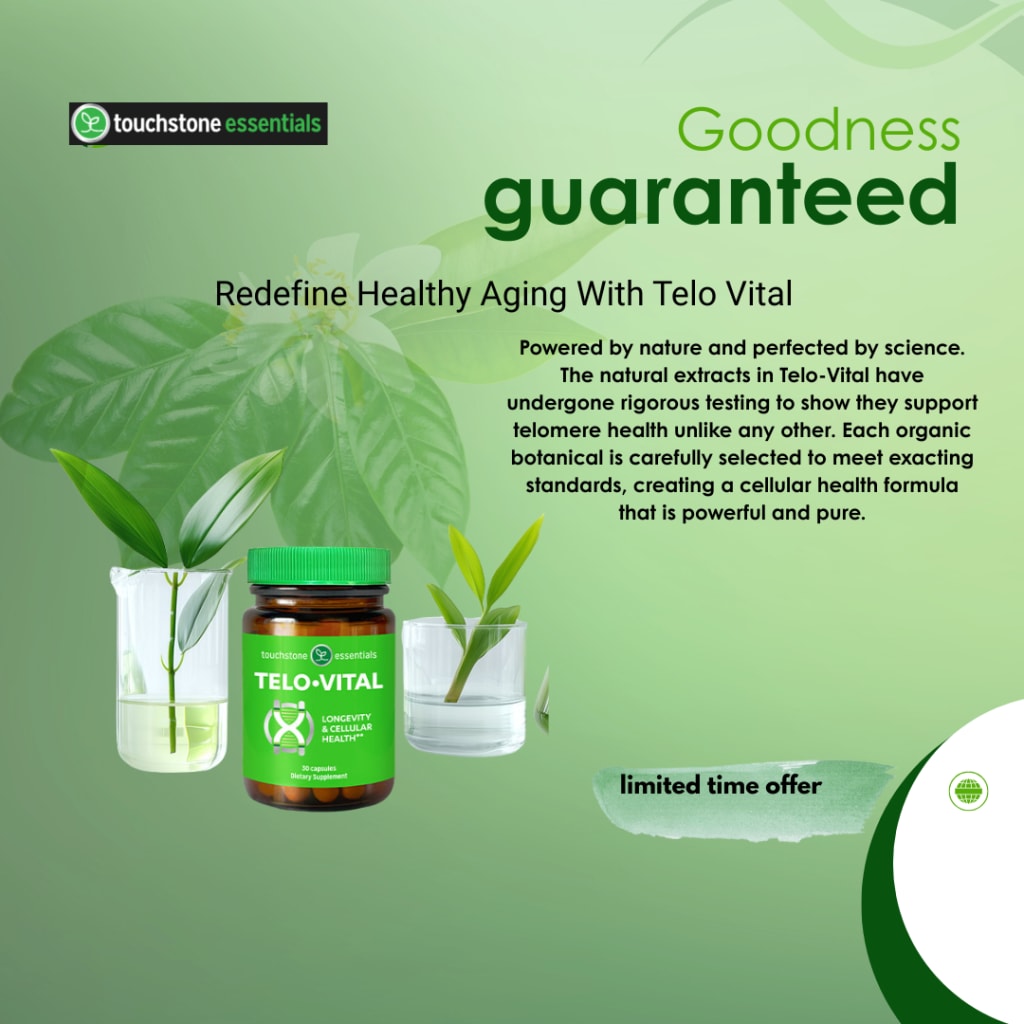
Telomeres: Your Body's Biological Clocks
I remember the first time I heard about telomeres. It was during a conversation with my doctor about why I felt more tired than I used to, even though nothing major had changed in my life. She mentioned something about "cellular clocks" and honestly, I thought she was being a bit dramatic. Turns out, she wasn't.
Inside every single cell in your body—and I mean every one—there are these tiny structures called telomeres. Think of them as the biological equivalent of those countdown timers you see on your phone. Except instead of counting down to your next meeting, they're essentially counting down... well, how your cells age.
It's a strange concept to wrap your head around, isn't it? The idea that we have actual clocks inside us, ticking away at the cellular level.
What Telomeres Actually Do
These telomeres sit at the very ends of our chromosomes, kind of like protective caps. I've heard them compared to the plastic tips on shoelaces, though I think that analogy doesn't quite capture how crucial they are. When your shoelaces fray, you buy new ones. When your telomeres get too short... well, that's when things get more complicated.
The thing is, telomeres are essential for cellular health and longevity. When your telomeres are long—and this is the part that really got my attention—your cells are youthful. We're talking about endless energy, fast recovery times, and yes, that glowing skin that everyone seems to be chasing these days.
It makes sense when you think about it. Young people bounce back from everything. Late night? No problem. Intense workout? They're ready to go again the next day. That radiant complexion that doesn't need much help from makeup or skincare routines? That's partly telomeres doing their job.
But here's where it gets less encouraging, at least initially.
The Inevitable Countdown
As telomeres shorten over time—and they do shorten, that's just part of being alive—our energy levels start to deplete. Recovery times get longer. I notice this myself now. A workout that used to leave me pleasantly tired now seems to require a full day of recovery, sometimes two.
Then there's the brain fog. That's perhaps the most frustrating part for me personally. You know that feeling when you walk into a room and forget why you went there? Or when you're searching for a word that should be right there, but it's just... not? Some of that might be connected to cellular aging, including what's happening with our telomeres.
And our skin and hair? They start looking and feeling older too. Not dramatically at first—aging isn't usually dramatic in its early stages. It's more like a slow shift that you don't really notice until you compare photos from five years ago.
The process is gradual, which might be why we don't always connect these changes to something happening at the cellular level. We tend to blame stress, or being busy, or just "getting older" in some vague, undefined way.
The Fascinating Question
But here's where the story gets interesting, and frankly, a little exciting. What if you could replenish those clocks in your cells?
I know, I know—it sounds like something out of science fiction. But the research around telomeres has been building for years now. Scientists have been asking this exact question, and some of their findings are... well, they're pretty remarkable.
The idea isn't necessarily to stop aging completely. That's probably not realistic, and maybe not even desirable. But what if you could support your telomeres so they keep ticking at a healthier pace?
Think about it this way: if telomeres are like the battery life indicator on your phone, supporting them might be like optimizing your settings to make that battery last longer. You're not changing the fundamental technology, but you're helping it work more efficiently.
What Science Is Discovering
The research on telomeres has accelerated significantly in recent years. I came across a study recently that looked at lifestyle factors and their impact on telomere length. Exercise came up as beneficial, which wasn't surprising. But so did stress management and certain nutritional approaches.
What caught my attention was that these weren't dramatic interventions. We're not talking about experimental procedures or radical lifestyle overhauls. Some of the most promising research involves relatively simple changes—though "simple" doesn't always mean "easy" to implement consistently.
There's also growing interest in specific nutrients that might support telomere health. This is where the science gets technical quickly, but the basic idea is that certain compounds might help protect these cellular clocks from damage, or even support their natural function.
I find myself cautiously optimistic about this research, though I try not to get too carried away. Scientific breakthroughs often take years to translate into practical applications, and what works in laboratory studies doesn't always work the same way in real life.
The Personal Impact
But let's get back to the personal side of this for a moment. If telomeres really are connected to how we feel and look as we age, then understanding them becomes pretty important for anyone thinking about their long-term health.
I've started paying more attention to the things that research suggests might support telomere health. Not obsessively—that would probably create more stress, which might be counterproductive. But thoughtfully.
Regular movement seems important. Not necessarily intense exercise, though that can be beneficial too. Just consistent physical activity that feels sustainable. Walking, swimming, activities that you can maintain over time without dreading them.
Sleep quality appears to matter as well, though I'll admit this is an area where I struggle sometimes. It's one of those things where you know what you should do, but life gets in the way.
Stress management is another piece of the puzzle that keeps coming up in the research. This one feels particularly relevant given how many people seem to be dealing with chronic stress these days. Finding ways to manage that stress might have benefits beyond just feeling better day-to-day.
The Bigger Picture
What I find most intriguing about telomere research is how it connects to broader questions about aging and health. We've traditionally thought about aging as something that just happens to us, largely beyond our control.
But if aging is partly driven by what's happening at the cellular level, and if we can influence those cellular processes—even modestly—then maybe we have more agency in how we age than we previously thought.
This doesn't mean we can stop aging entirely, or that we should become obsessed with trying to. But it might mean that some of the decline we associate with getting older isn't as inevitable as we assumed.
That's a hopeful thought, though I try to balance optimism with realism. Science has a way of being more complicated in practice than it appears in headlines or promotional materials.
Looking Forward
The telomere field is still evolving. New research comes out regularly, sometimes confirming previous findings, sometimes challenging them. That's how good science works, even if it makes it harder for those of us trying to figure out practical applications.
What seems clear is that telomeres play an important role in cellular health and aging. The question of how much we can influence them—and how much that influence translates into real-world benefits—is still being answered.
In the meantime, I think there's value in paying attention to the basics that research suggests might support telomere health. Movement, sleep, stress management, good nutrition. These are beneficial regardless of their specific impact on telomeres.
And maybe, just maybe, supporting these cellular clocks might help us feel a little more like ourselves as the years go by. That alone seems worth exploring.
About the Creator
Kenneth MacLean
We are Affiliate marketers and SEO agency.
We also affiliate market the Touchstone Essentials brand.
https://melloncharles.thegoodinside.com
Keep reading
More stories from Kenneth MacLean and writers in Longevity and other communities.
Dieting, Detoxing, and Living Well
Dieting, Detoxing, and Living Well: A Guide for Women in Their 40s and Beyond There’s something about hitting your 40s that sparks a different kind of reflection. Not necessarily the loud, dramatic kind—no existential crisis required. But things shift, subtly at first. Maybe digestion isn’t quite what it used to be, energy fluctuates in new ways, and the foods that felt fine a decade ago suddenly feel… heavy.
By Kenneth MacLean8 months ago in Longevity
Day 4 of Quitting
If this is how sobriety feels, maybe it’s better to go through life a little buzzed… this, along with other hits like, I want to kill myself, I wish I was dead, and I’m going to throw myself off a bridge have been the only thoughts on rotation these past few days. I promise myself that if, in a month, I still feel like this (‘this’ meaning despondent, full of rage, and simultaneously numb) I can go back to smoking. Until mid-February though? Nicotine is off the table.
By sleepy drafts13 days ago in Longevity
How Social Media Is Rewiring the Teenage Brain
In the last decade, social media has evolved from a simple tool for communication into an immersive ecosystem shaping how we think, feel, and interact. Among the most vulnerable to these changes are teenagers. The adolescent brain, still in its developmental phase, is especially susceptible to the effects of constant connectivity, curated content, and digital validation. Emerging research suggests that social media is not just influencing teenage behavior—it is literally rewiring their brains. The Brain in Adolescence Teenagers undergo profound neurological changes, particularly in the prefrontal cortex, which governs decision-making, impulse control, and planning. At the same time, the limbic system, responsible for emotions and reward processing, is highly active. This imbalance makes teens more prone to risk-taking, peer influence, and emotional volatility. Social media, with its instant feedback loops of likes, comments, and shares, exploits these natural developmental tendencies. Reward Systems and Dopamine Every notification, heart, or comment triggers a release of dopamine—a neurotransmitter associated with pleasure and reward. In the offline world, rewards are typically delayed or earned through effort, but social media delivers instant gratification. Over time, this creates a pattern where teens begin to seek validation from digital platforms rather than internal motivation or real-life achievements. Neuroscientists warn that this constant activation of reward pathways can make adolescents more impulsive and reduce attention spans. The Attention Economy Social media platforms are designed to capture attention. Infinite scrolling, autoplay videos, and algorithm-driven feeds keep users engaged for hours. For teens, whose executive functions are still developing, this can interfere with concentration and memory. Studies have found that teenagers who spend excessive time on social media often experience difficulties focusing on schoolwork, have shorter attention spans, and struggle with task persistence. Emotional Impact and Mental Health The impact of social media on teenage mental health is complex. On one hand, it offers community, self-expression, and connection. On the other, it exposes adolescents to cyberbullying, unrealistic comparisons, and social pressure. Constantly seeing idealized versions of peers’ lives can foster feelings of inadequacy, anxiety, and depression. Researchers have observed changes in brain regions linked to emotional regulation in teens who spend several hours daily on social media. The amygdala, for instance, shows heightened activity in response to perceived social threats, amplifying stress reactions. Social Skills and Empathy Another concern is the effect of social media on social cognition. Face-to-face interactions help teenagers develop empathy, read emotional cues, and understand complex social dynamics. Online interactions, often filtered through text, emojis, and memes, can limit these experiences. Teens who rely heavily on digital communication may find it harder to navigate real-world social situations, potentially impacting long-term relationship skills. Adaptive or Maladaptive? Not all changes induced by social media are negative. Platforms can enhance creativity, provide access to global perspectives, and facilitate learning communities. Some teens leverage social media for activism, skill-building, and self-expression in ways that strengthen their sense of identity and social connectedness. The key lies in moderation, mindful usage, and parental guidance. Toward Healthy Digital Habits Experts recommend several strategies to help teens navigate the social media landscape without compromising brain development. Setting daily time limits, encouraging offline hobbies, and promoting in-person social interactions can balance the benefits and risks. Open communication between parents and teens about online experiences is critical, as is educating adolescents on the impact of digital validation on their emotional and cognitive health. The Road Ahead As neuroscientists continue to study the long-term effects of social media on the teenage brain, one thing is clear: the digital environment is reshaping adolescent development in unprecedented ways. While social media can be a source of learning, community, and creativity, it also presents challenges that require careful navigation. Awareness, education, and proactive strategies can help ensure that teens benefit from the digital age without falling prey to its potential pitfalls. Social media is more than just a tool—it is a force capable of rewiring young minds. Understanding its influence is the first step toward harnessing its potential while safeguarding the next generation’s mental, emotional, and cognitive well-being.
By Fiaz Ahmed Brohia day ago in Longevity




Comments
There are no comments for this story
Be the first to respond and start the conversation.