advice
Answering all of your health, wellness, fitness, and personal questions.
Shoulder Labral Tear: Symptoms and Treatment
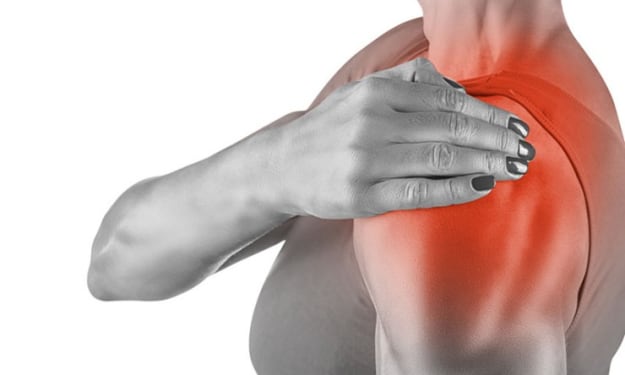
Different parts of the body have been designed in such a way to be able to perform a number of countless tasks, and the shoulder joint is especially intricate. As one of the most complex joints in the body, it is held together by a network of tendons, ligaments, and soft tissue. It is the fibrocartilage that helps to stabilize the ball in the shoulder joint. If a shoulder injury occurs, the ring of cartilage within the shoulder can get damaged. This is known as a labral tear, or a SLAP tear. Shoulder labral tear symptoms can be misdiagnosed at times, since some symptoms can appear to be due to simply overworking the shoulder.
By Hillary Tailor7 years ago in Longevity
Three Ways to Naturally Improve Your Skin
As anyone who has ever suffered from acne knows, taking care of your skin can be difficult. From various face creams to face masks, it seems that there is an endless supply of solutions to clean out your pores, and revitalize your skin. However, as any who suffers from acne can also tell you, it can be a cruel game trying to figure out which creams and washes work best for your skin, and hundreds of dollars later you may still be left looking for the right skin care product. You’re not alone. According to the American Academy of Dermatology, 50 million Americans are affected by acne annually, and in 2013 the costs related to the treatment and lost productivity of people who turned to medical care for clearing acne came in at more than 1.2 billion dollars. Beginning in puberty, and manifesting itself even in people ages thirty to forty and on, acne is a worldwide problem. Nevertheless, there are steps you can start taking today to help you achieve clear pores and glowing skin. This article lists three simple ways to fight acne, and they cost little to nothing:
By Kari Oakley7 years ago in Longevity
Ten Spiritual Apps that Can Save Your Marriage and Give You Astrology Advice
Mobile phones are a necessity of modern humans. More than half of the world's population uses cell phones; this is one of the most revolutionary inventions of the century. But what is rarely realized: cell phones are one source of stress, and instead of facilitating your daily activities, this can worsen the relationship between you and others. Of course, if you use it in the wrong way! If you use your cell phone correctly then you can balance between dynamic daily life and valuable inner peace. Balance is the key to healthy living, no matter what your profession is. The balance includes the so-called sex life, which we can get the guidance from some sex dating apps.
By Mahmood Ahmad7 years ago in Longevity
10 Signs You Need a New Doctor
America has a serious healthcare problem, and a large part of the problem goes beyond just the cost of going to a doctor. You see, America has a huge problem when it comes to some doctors' behaviors—especially when it comes to sexual health and life-altering decisions.
By Skunk Uzeki7 years ago in Longevity
A Guide for Staying Active During Your Winter Holidays
Winter is the time when we all get a little bit lazy. Cold and wet weather make us wait out the winter, so we can enjoy outdoor activities. However, that is actually not necessary, since there are many things you can do in winter to stay active inside and outside your home.
By Leila Dorari7 years ago in Longevity
How to Get More Out of Your Yoga Routine
If you are a yoga fan, and you find yourself at peace during the session and are looking for ways to get more out of your yoga routine, then there is a lot more to learn. Yoga is a great practice that relaxes your mind and body from all the world’s troubles. Yoga can be practised in many ways, at any place and any time, but you can make a few adjustments in your routine to get most out of that time.
By Liam Smith7 years ago in Longevity
Marathoner What Ifs
Marathoning can produce the ultimate highs, but is also cautioned to some of the darks lows. Running is so much more than moving one foot in front of the other. It’s strategic, willful, emotional, and mental. If one area is off, it leaves room for so many things can go wrong. Twenty-six miles is a long time! It’s easy to run through a list of negative what ifs as you prep for a marathon. What if...
By Breanna Staples7 years ago in Longevity