

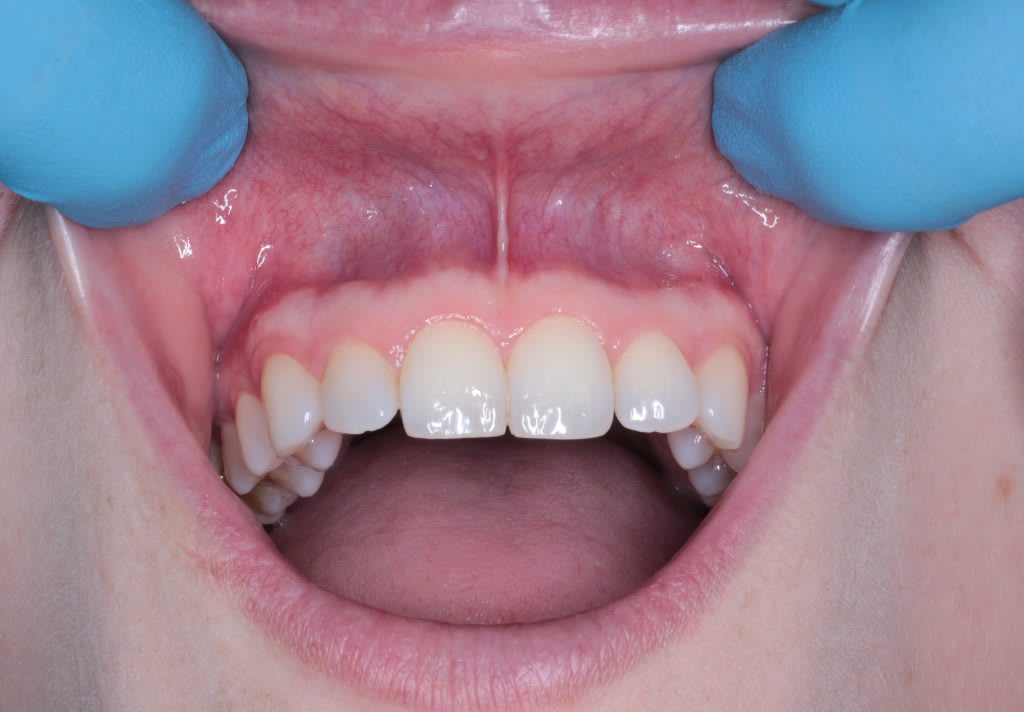
In India, oral cancer is the most common cancer among men (11.28% of all cancers) and the fifth most common cancer among women (4.3% of all cancers) and the third most common in both men and women. The one who has cancer. Mouth Cancer is also known as Oral Cancer and it is caused due to the uncontrolled growth of cells of the mouth, which includes the tongue, lips, cheeks, lower part of the mouth, The sinuses, and throat are involved.
Oral Cancer can occur anywhere in the mouth, on the tongue, lips, inside of the cheeks, on the upper or lower surface of the mouth, and on the salivary glands. Its symptoms are not visible in the initial days but gradually it increases. For those who have cancer, the complete information about oral cancer is given below.
Mouth Cancer
Oral cancer is a type of cancer of the throat and head and is often treated in the same way as them. Mouth cancer mostly occurs after the age of 40, and men are more prone to it than women. A total of 77,003 new cases of mouth cancer have been registered in India this year and 52,067 deaths have taken place. Oral cancer is diagnosed when it has spread to the lymph nodes in your neck and the risk of death is low if oral cancer is detected at the right time.
Oral Cancer includes the following-
lip cancer
tongue cancer
Cancer on the inside of the cheek
gum cancer
cancer of the lower part of the mouth
You should go to your dentist as soon as you see the symptoms of oral cancer. According to the dentist, get your oral checkup done by your dentist at least twice a year. Let us know more about its symptoms, danger, its stages.
Symptoms of Mouth Cancer
In the early stages of oral cancer, it is not detected, nor does it show any symptoms, but people who smoke or drink alcohol on a daily basis should keep checking their mouth with their dentist from time to time. The main symptoms of mouth cancer or oral cancer are as follows-
non-healing ulcer
oral prolapse
bleeding from the mouth
loose teeth
mouth pain or difficulty swallowing
sudden lump in neck
earache
sudden weight loss
numbness of the lips, face, neck, or chin
red and white patches in the mouth or lips
sore throat
dry mouth
jaw pain or stiffness
sore tongue
Although the presence of these symptoms does not mean that you have oral cancer, but you must check with your dentist and keep getting the checkup done from time to time after taking advice. Some of these symptoms, such as sore throat or ear pain, can also indicate another disease. However, if you notice any of these symptoms, especially if they do not go away even with primary treatment or if more than one symptom occurs at a time, do not ignore these symptoms, and seek medical attention as soon as possible. Visit your dentist or doctor as soon as possible and get yourself treated properly. Oral cancer causes :
Smoking: Smoking is most responsible for mouth cancer and people who smoke cigarettes, cigars, or pipes have the highest risk of mouth cancer.
Consumption of tobacco: If you say tobacco in any form, then it can also become a major cause of oral cancer.
Drinking alcohol in excess.
Family history can also increase the risk of oral cancer.
Oral cancer stages
Stages of Mouth Cancer increase in this way-
Stage 1: In this stage, the tumor is less than 1 inch across and has not spread to nearby lymph nodes.
Stage 2: The tumor has grown beyond 1 to 2 inches and has not reached nearby lymph nodes.
Stage 3: In this stage the tumor grows up to about 2 inches but has not spread or it does not grow more than 1 inch but has spread to the nearby lymph nodes.
Stage 4: In this stage, cancer has spread to the mouth and cancer has affected the tissue around the mouth, lips, and possibly nearby lymph nodes; Or it spreads to the rest of the body.
The stages of cancer tell how it can be treated as well as how likely it is to be cured.
Oral Cancer treatment
Some of the common treatments for oral cancer are as follows:
Surgery: In this procedure, an operation is required to remove the tumor from the entire mouth. The place where there is a tumor can be removed easily, so a small incision is made in the neck or jaw. After the tumor is surgically removed, that part of the mouth is reconstructed. In these cases, surgeons may perform pedicle or free flap reconstruction.
Radiation therapy: In radiation therapy, radiation therapy is used to treat the area of the mouth where cancer has spread and to spread healthy tissue over it. External beam radiation therapy (EBRT) and brachytherapy are two of the most common types of radiation therapy used to treat oral cancer.
Chemotherapy: Chemotherapy, often combined with radiation therapy, is used to destroy cancer cells throughout the body and cancer is removed using anticancer drugs. Cancer cells are destroyed at different stages by combining different chemotherapy drugs.
Some important facts about oral cancer
About 80% of oral cancer cases are due to tobacco use alone.
The average age of getting oral cancer is 50 years.
Oral cancer rates are significantly higher in men than in women, and these rates increase with age.
If the symptoms of mouth cancer are identified and treated in the beginning itself, then your chances of survival increase by 82%.
If it is identified and treated in the advanced stage, then the survival rate is up to 27%.
As soon as the symptoms of mouth cancer appear, the dentist should be seen immediately and it should be treated properly without delay. It is often seen that Indian people do not take special care of oral health, due to which they have to face a lot of mouth-related diseases. To avoid all kinds of oral problems, regular visits to the dentist should be made and special care should be taken of your mouth and oral health.
About the Creator
🍓 8 Best Fruits for Pregnant Women
Pregnancy is a time when nutrition becomes more important than ever. What a mother eats during these months directly supports the growth and development of her baby. Among the many healthy foods recommended during pregnancy, fruits stand out as one of the easiest and most nutritious options.
By Being Inquisitive2 days ago in Longevity
Why Students Feel Productive at Night
Why Students Feel Productive at Night? Many students have experienced this strange pattern. During the day, studying feels difficult. You sit at your desk, open your notes, and suddenly everything else feels more interesting. Your phone, social media, even cleaning your room becomes more appealing than studying.
By Being Inquisitive2 days ago in Longevity




Comments
There are no comments for this story
Be the first to respond and start the conversation.