
Social Media Listening Tools: A Step-by-Step Guide to Better Brand Monitoring
Discover the best social media listening tools to track trends, monitor brands, and grow online.
A recent study shows 61% of US marketers now invest in social media listening tools to boost brand reputation and spark breakthroughs. Your brand generates millions of social media conversations daily, whether people tag you directly or not in this digital world.
Social listening platforms have changed how businesses monitor and analyze these conversations. These powerful brand monitoring tools detect patterns, spot emerging trends, and warn you about potential reputation risks without spending hours on manual research. Meltwater, a leading solution, now processes over 200 billion conversations and helps more than 27,000 companies worldwide understand their audiences better.
This complete guide covers everything about choosing and using social media listening software. You'll discover how to launch your first campaign, study valuable data, and convert social insights into practical strategies for your brand.
What are social media listening tools and why do they matter?
Social media listening tools are software that help track and understand online conversations happening on social media, blogs, forums, and other websites. They help businesses see what people are saying about their brand, industry, or competitors in real time. They monitor what others say about your brand, industry, and competitors—even without direct tags or mentions.
The difference between social listening and monitoring
Marketers often mix up these terms, yet each plays a unique role in your social strategy. Social monitoring tracks specific metrics and responds to direct mentions—a reactive and tactical approach. You spot what's happening and address immediate needs.
Social listening takes things further. Monitoring shows what trends are hot, while listening reveals why they matter. This proactive and strategic approach analyzes the broader context and sentiment behind conversations. Monitoring spots the symptoms, but listening uncovers why it happens.
Let's look at this comparison:
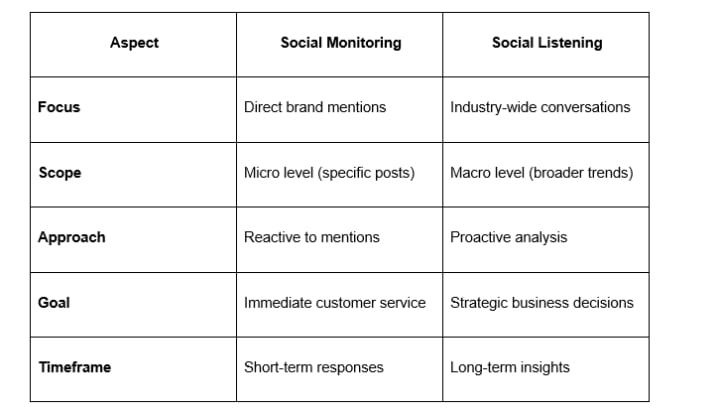
One expert puts it this way: "Monitoring is like observing individual trees, while listening is akin to viewing the entire forest".
Key benefits for your brand strategy
Social listening platforms integrated into your workflow offer several strategic advantages. These tools give you live insights about your audience's identity, preferences, engagement patterns, active locations, and discussion topics.
These platforms help you:
● Check brand health and public perception
● Spot industry trends early
● Track competitor performance and customer sentiment
● Evaluate campaign success with actual data
● Track event responses for better results
Research shows 65.6% of marketers now see social listening as valuable for their organizations. This makes sense since these tools discover new opportunities, reveal customer pain points, and spot potential reputation risks early and build your reputation with brand reputation services.
Brand monitoring tools will become more sophisticated by 2025. Advanced AI and natural language processing will help decode subtle sentiments, cultural references, and emerging trends as they happen. This technology will predict consumer needs and solve issues before they grow—turning social intelligence into business growth.
How to choose the right social listening platform for your needs
Choosing a social listening platform is a big deal. The market offers everything from free tools to premium enterprise solutions that cost thousands each month. You need to match your needs with the right platform.
Essential features to look for in 2025
Modern social media listening tools can do much more than simple monitoring. Here's what you should look for:
● Multi-platform coverage that tracks your audience in a variety of social networks
● Live monitoring that alerts you about mention spikes or engagement changes
● Sentiment analysis that shows how people feel about your brand
● Advanced AI capabilities that spot patterns and predict upcoming trends
● Competitive intelligence tools that help you measure up against rivals
Research shows these platforms serve different purposes: trend detection leads at 36%, brand monitoring follows at 24%, while campaign analysis and competitive measurement each take 18%.
Budget considerations: Free vs. paid options
Free and paid options each bring different benefits to the table:
Free tools give you:
● Simple keyword tracking
● Current mentions without history
● One language support
● Limited mention counts
● Basic analytics features
Paid options step up with:
● Full access to historical data and past mentions
● Support for multiple languages worldwide
● Advanced analytics with visual tools
● Unlimited mention tracking
● Connections to your business systems
The numbers tell an interesting story: brands typically spend between USD 100,000 and USD 200,000 on agency support for social listening. About 39% invest more than USD 100,000 yearly on the technology.
Questions to ask before purchasing
Make sure you ask these key questions before you commit:
1. What's my budget? Stay realistic but keep some wiggle room—a bit more money often buys much better features.
2. How many licenses will I need? Think about your team's size since it affects the total cost.
3. Which social platforms does it monitor? Make sure it covers the networks where you find your audience.
4. What data can I extract? Look beyond basic metrics for meaningful insights.
5. Can I export data easily? The export format should match your reporting needs.
6. Does it integrate with my existing tools? Check if it works with your current systems.
7. What level of customer support is provided? Even great platforms need solid support when problems pop up.
Try the free trials and watch detailed demos before you buy any social listening software.
Setting up your first social listening campaign
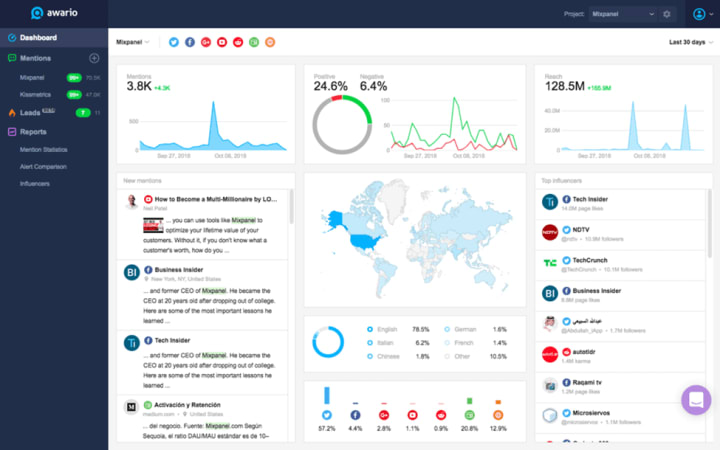
The platform selection leads to campaign setup. Each tool has its own process, but doing this and being systematic will give a better picture of brand conversations.
Creating effective keyword queries
Your social listening campaign's success depends on choosing the right keywords. The first step is to define clear campaign goals—whether you want to check brand reputation, watch competitors, or spot industry trends. Make a list of terms you need to track, including:
● Brand name variations and common misspellings
● Product names and relevant hashtags
● Competitor names and products
● Industry-specific terminology
Professional social listening platforms let you use Boolean operators to fine-tune your search. Use "AND" to find mentions with multiple keywords, "OR" to include alternatives, and "NOT" to remove irrelevant results. Your queries need regular updates as you learn which terms bring valuable insights.
Setting up brand mentions tracking
A detailed monitoring system needs more than just @mentions. Your social media listening tool should catch both tagged and untagged brand discussions. It also needs to track backlinks and spot mentions in a variety of platforms—social networks, blogs, forums, and review sites.
Configuring alerts and notifications
Quick responses need fast alerts. Set up spike alerts that tell you about sudden increases in brand mentions or negative sentiment. You can adjust alert frequency based on urgency—critical issues need live updates, while routine matters work better as daily summaries.
The core team members can receive different types of alerts through most platforms. This sends urgent notifications to people who can act right away, while routine updates go into scheduled reviews.
Organizing your dashboard to work better
A clean dashboard helps prevent information overload. Split your monitoring into themes—brand mentions, competitor activity, and industry trends. Pick visualization options that match what you need to analyze, from sentiment charts to mention volumes and engagement metrics.
The dashboard views should match each team member's role. Social media managers need live mention feeds, while marketing strategists might prefer trend analysis and standard comparison views.
Conclusion
Modern listening tools go beyond simple monitoring because they help you learn about your audience's deeper preferences, industry shifts, and brand perception. These sophisticated tools use immediate tracking, sentiment analysis, and competitive intelligence to turn social conversations into valuable business insights.
About the Creator
Day 4 of Quitting
If this is how sobriety feels, maybe it’s better to go through life a little buzzed… this, along with other hits like, I want to kill myself, I wish I was dead, and I’m going to throw myself off a bridge have been the only thoughts on rotation these past few days. I promise myself that if, in a month, I still feel like this (‘this’ meaning despondent, full of rage, and simultaneously numb) I can go back to smoking. Until mid-February though? Nicotine is off the table.
By sleepy drafts11 days ago in Longevity


Comments
There are no comments for this story
Be the first to respond and start the conversation.