

Soaking It In:Epsom Salt, and the Art of Slowing Down
By the time Clara reached her mid-40s, she’d gotten used to pain.
Not the sharp, sudden kind—but a dull, persistent ache in her lower back, stiffness in her shoulders, and a fatigue that clung to her even after eight hours of sleep. She chalked it up to stress, age, and years of sitting behind a computer screen.
Most days, she pushed through it. She told herself it wasn’t that bad. After all, she had work to do, errands to run, and a household to manage. But every once in a while—usually late at night, when the house was finally quiet—Clara would sit on the edge of her bed, rubbing her temples and whispering, *There has to be a better way to feel.*
She didn’t want pills or prescriptions. She wanted something simpler. Gentler. Something that would help her reconnect with her body, not just numb it.
That something came unexpectedly, in a conversation with her grandmother.
An Old Remedy Revisited
Clara’s grandmother, Evelyn, was a woman of nature. She believed in herbs, homegrown food, and old-fashioned remedies. During one of their weekend chats, Clara mentioned her aches, expecting the usual suggestions—more rest, a heating pad, maybe yoga.
But Evelyn’s response was different this time.
“Have you tried an Epsom salt bath?”
Clara blinked. “Epsom salt? Like…the stuff people used in the ‘80s?”
Her grandmother chuckled. “That stuff’s been around since the 1600s. It’s older than both of us combined.”
Clara was skeptical, but intrigued. Evelyn explained how she used to soak her feet in warm Epsom salt water after long days in the garden, how it eased soreness and helped her sleep. “It draws out the tension,” she said. “Body and mind.”
Something about that stuck with Clara.
The First Soak
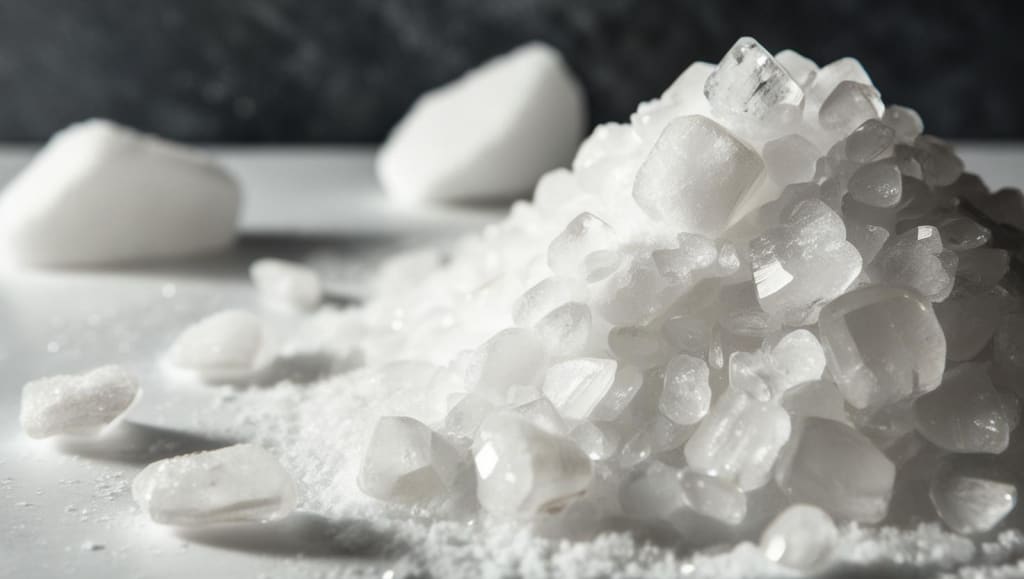
That night, Clara stopped by the drugstore and picked up a bag of Epsom salt. The label was simple: *Magnesium sulfate, therapeutic grade*. It looked unremarkable—just a coarse white crystal. But she followed her grandmother’s advice and poured two cups into a warm bath.
She lowered herself in cautiously, expecting maybe a little warmth and not much else.
But within minutes, something shifted.
Her muscles began to loosen. The tension in her shoulders melted like wax. The warm water, enhanced by the salts, seemed to wrap around her like a weighted blanket. She closed her eyes, exhaled deeply, and for the first time in weeks, felt her body *unclench*.
That night, she slept better than she had in months.
What Is Epsom Salt, Really?
Clara’s curiosity took over. She started reading about Epsom salt—not just user testimonials, but real science.
Despite its name, Epsom salt isn’t a salt at all. It’s a naturally occurring mineral compound made of magnesium and sulfate. It was first discovered in the English town of Epsom, where people noticed that soaking in local spring water seemed to have healing effects.
Magnesium, as Clara learned, plays a vital role in over 300 biochemical reactions in the body. It supports nerve and muscle function, regulates blood pressure, and helps the body produce energy. Sulfate aids in detoxification and the formation of joint proteins.
When Epsom salt is dissolved in warm water, it’s believed that the skin—the body’s largest organ—can absorb these minerals directly.
Though scientific studies on transdermal absorption are ongoing, the anecdotal evidence is compelling. Athletes, physical therapists, and wellness practitioners all praise its soothing properties.
More Than Muscle Relief
Clara began making her Epsom salt baths a regular ritual—three nights a week, like clockwork. But what surprised her was how it impacted more than just her back pain.
- Her sleep improved.
- Her mood stabilized.
- Her digestion became more regular.
- Her skin felt smoother and less inflamed.
She learned that magnesium deficiency was more common than she realized, especially among people under chronic stress (like her). Magnesium helps regulate cortisol, the stress hormone. No wonder her mind felt calmer after each soak.
Clara even started soaking her feet when she didn’t have time for a full bath. Just 20 minutes with warm water and Epsom salt brought noticeable relief after long days on her feet.
A Space for Stillness
More than just the physical benefits, what Clara cherished most about her new ritual was the space it gave her to slow down.
In a world full of noise and pressure, the bath became a pause button. No emails. No scrolling. Just warm water, maybe a candle, soft music, and time to breathe.
She began pairing the baths with journaling, meditating, or reading poetry. It became a sacred space where she could release—not just toxins from her body, but also emotions she had been carrying too long.
Epsom salt wasn’t just healing her muscles. It was helping her *listen* to herself again.
Epsom Salt and Everyday Wellness
Encouraged by her experience, Clara started exploring more ways to use Epsom salt:
- **Foot soaks** after long walks or when wearing heels all day.
- **Compresses** for bruises or minor sprains—just soak a cloth in Epsom salt water and apply.
- **Gentle exfoliation** by mixing it with olive oil for a body scrub.
- **Soaks during colds** to ease congestion and body aches.
She even recommended it to her colleagues and friends. One friend said it helped with migraines. Another used it post-workout for muscle recovery. Someone else said their eczema flare-ups lessened.
Epsom salt wasn’t a miracle cure, but it was powerful in its simplicity.
A Return to the Basics
Months passed. Clara’s health hadn’t transformed overnight, but something deeper had changed.
She was no longer dismissing her body’s whispers. She was responding with care. She had reconnected with a part of herself she hadn’t realized she’d lost—the part that believed healing could be gentle, natural, and accessible.
The aches weren’t entirely gone, but they no longer ruled her life. And on the days they returned, she knew what to do: fill the tub, sprinkle in the salts, and soak—not just her body, but her soul.
Healing Doesn’t Have to Be Complicated
In the end, Clara didn’t find her answer in a cutting-edge treatment or expensive therapy. She found it in an age-old remedy passed down by a grandmother who knew the value of slowing down and soaking in the moment.
Epsom salt is more than a bath additive. It’s a gateway to restoration, a signal to the body and mind that it’s okay to pause and heal. In a world that rushes us toward the next thing, Epsom salt invites us to *stay*—to listen, to care, and to be still.
And sometimes, that’s where the true healing begans.
About the Creator
Gabriela Tone
I’ve always had a strong interest in psychology. I’m fascinated by how the mind works, why we feel the way we do, and how our past shapes us. I enjoy reading about human behavior, emotional health, and personal growth.
Keep reading
More stories from Gabriela Tone and writers in Longevity and other communities.
The Rhythm of Little Stars
The Rhythm of Little Stars A Journey to Finding the Perfect Baby Schedule When Emma first brought baby Oliver home from the hospital, she thought she was ready. She had read the books, joined the forums, listened to every piece of advice from mothers, grandmothers, neighbors, and strangers in grocery store lines. "Sleep when the baby sleeps," they said. "Feed on demand." "Let them cry it out." "Never let them cry it out."
By Gabriela ToneExclusive • 11 months ago
Amazon Savings Secrets for Disabled & Chronically Ill Shoppers
Disabled and chronically ill people often pay more for basic life: delivery fees, specialty items, replacements for things that break faster, and the constant “convenience tax” of needing things shipped because stores aren’t accessible.
By Tracy Stine6 days ago in Longevity
The Power of Black Coffee: Benefits, Nutrients, and Uses (Heath Tips)
Introduction: Black coffee is one of the most popular drinks in the world. Millions of people enjoy it every day, especially in the morning, because it helps them feel fresh, active, and focused.
By Health Tipsa day ago in Longevity



Comments
There are no comments for this story
Be the first to respond and start the conversation.