
Signs You Might Be Having a Heart Attack.
Symptoms of a heart attack

Signs You Might Be Having a Heart Attack
Are you experiencing chest pain, discomfort in your arms, or tightness in your chest? These are some of the signs that you may be having a heart attack. Many people don’t recognize the warning signs of a heart attack, so it’s important to know what to look out for and when to seek medical help. In this blog post, we will be discussing the common signs of a heart attack and how you can recognize them.
Pain or Discomfort in the Chest
The most common symptom of a heart attack is a feeling of pain or discomfort in the chest. This can range from a mild, uncomfortable pressure to a crushing or squeezing sensation. The discomfort can last for more than a few minutes, or it can come and go. The pain may even radiate to other areas of the body, such as the arms, neck, jaw, or back. Some people might experience chest tightness rather than pain. It's important to recognize any changes in your chest and to seek medical attention right away if you suspect a heart attack.
Pain or Discomfort in Other Areas of the Upper Body
When it comes to recognizing the signs of a heart attack, one area of the body to pay attention to is the upper body. In addition to pain or discomfort in the chest, you may also experience pain or discomfort in your arms, shoulders, back, neck, jaw, and/or stomach. This pain may be dull or sharp and may be accompanied by a feeling of pressure or squeezing.
If you're experiencing pain in one or more of these areas, it's important to take note and seek medical attention as soon as possible. It's also important to remember that different people will have different experiences, so don't discount any symptoms that are out of the ordinary for you.
Shortness of Breath
Shortness of breath is another common symptom of a heart attack. It often occurs in combination with chest pain, but can also occur by itself. If you experience shortness of breath during a heart attack, it may feel like you can't get enough air or that you are having difficulty breathing. This feeling can be very alarming and should not be ignored. Seek medical attention if you experience this symptom as it could be an indication of a serious medical issue.
Nausea, Indigestion, Heartburn, or Stomach Pain
It's not uncommon for those experiencing a heart attack to feel nausea, indigestion, heartburn, or stomach pain. These symptoms often occur before chest pain. If you experience any of these symptoms, it is important to take note and seek medical attention. If you experience severe or persistent nausea, indigestion, heartburn, or stomach pain, this could be a sign of a heart attack. Be sure to tell your doctor or healthcare provider about any of these signs or symptoms that you experience.
Cold Sweats
One of the most common signs of a heart attack is cold sweats. Cold sweats are an intense, sudden feeling of clamminess and dampness of the skin due to a sudden drop in body temperature. It can also be accompanied by shivering, chills, and paleness of the skin. During a heart attack, cold sweats often appear suddenly and without warning.
Cold sweats can also be triggered by other factors such as anxiety, fear, physical exertion, or dehydration. If you experience cold sweats along with any other symptoms, it’s important to seek medical attention immediately.
Fatigue
Fatigue is another symptom of a heart attack that can come on suddenly or be a long-term symptom. It may come on slowly over the course of days or weeks, or it can be a sudden onset of exhaustion. When it comes to a heart attack, fatigue can often accompany other symptoms, or be an isolated sign.
If you have been feeling excessively tired, even after adequate rest and sleep, it could be a sign that something is wrong with your heart. Fatigue can also occur if you are having difficulty breathing or are experiencing chest pain, as your body is working harder to make up for the lack of oxygen.
If you are experiencing fatigue alongside other symptoms of a heart attack, it is important to seek medical attention right away. Timely medical care is key in managing any cardiac condition, and ignoring fatigue or any other symptom could put your health at risk.
Lightheadedness or Dizziness
Lightheadedness or dizziness is another common symptom of a heart attack. While lightheadedness can be caused by a variety of issues, including dehydration, low blood pressure, and anxiety, it can also be an indicator of a heart attack.
If you’re experiencing lightheadedness or dizziness in addition to any of the other symptoms listed here, it’s important to seek medical attention immediately. When the heart isn’t functioning properly, the body doesn’t receive the necessary oxygen it needs, which can lead to feelings of faintness or dizziness. This is a sign that something serious is happening, so seek help right away if this is one of your symptoms.
Anxiety
Anxiety is another symptom that can be associated with a heart attack. It can present as a feeling of panic, uneasiness, or fear that is often accompanied by shortness of breath, increased heart rate, sweating, and trembling. You may feel as though you are in danger and may become overwhelmed. These feelings can come on suddenly or gradually. If you experience these symptoms and suspect a heart attack, it’s important to seek help right away.
About the Creator
Keep reading
More stories from Mazen Fakhr and writers in Longevity and other communities.
Ohio educate derailment activates water application throughout country strains to take precautions as fitness issues mount
Ohio educate derailment activates water application throughout country strains to take precautions as fitness issues mount The teach derailment in Ohio that spewed out boiling fueloline, prompting officers to then burn vinyl chloride in 5 tanker automobiles in an try to cast off the poisonous chemical in a managed setting, has precipitated a water application as a long way away as West Virginia to take brought precautions as fitness issues mount.
By Mazen Fakhr3 years ago in Earth
Day 4 of Quitting
If this is how sobriety feels, maybe it’s better to go through life a little buzzed… this, along with other hits like, I want to kill myself, I wish I was dead, and I’m going to throw myself off a bridge have been the only thoughts on rotation these past few days. I promise myself that if, in a month, I still feel like this (‘this’ meaning despondent, full of rage, and simultaneously numb) I can go back to smoking. Until mid-February though? Nicotine is off the table.
By sleepy drafts14 days ago in Longevity
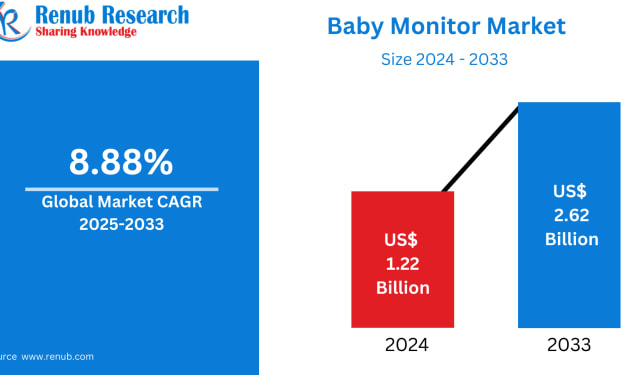
Baby Monitor Market Trends & Summary: How Smart Parenting Tech Is Shaping the Future of Child Safety
Introduction: A New Era of Digital Parenting Parenting in the modern world looks very different from what it did even a decade ago. As more parents balance demanding careers with family life, technology has stepped in as a silent partner—helping caregivers stay connected, informed, and reassured. Among the most trusted of these innovations is the baby monitor, a device that has evolved from simple audio tools into intelligent, AI-powered guardians.
By Marthan Sira day ago in Longevity



Comments
There are no comments for this story
Be the first to respond and start the conversation.