

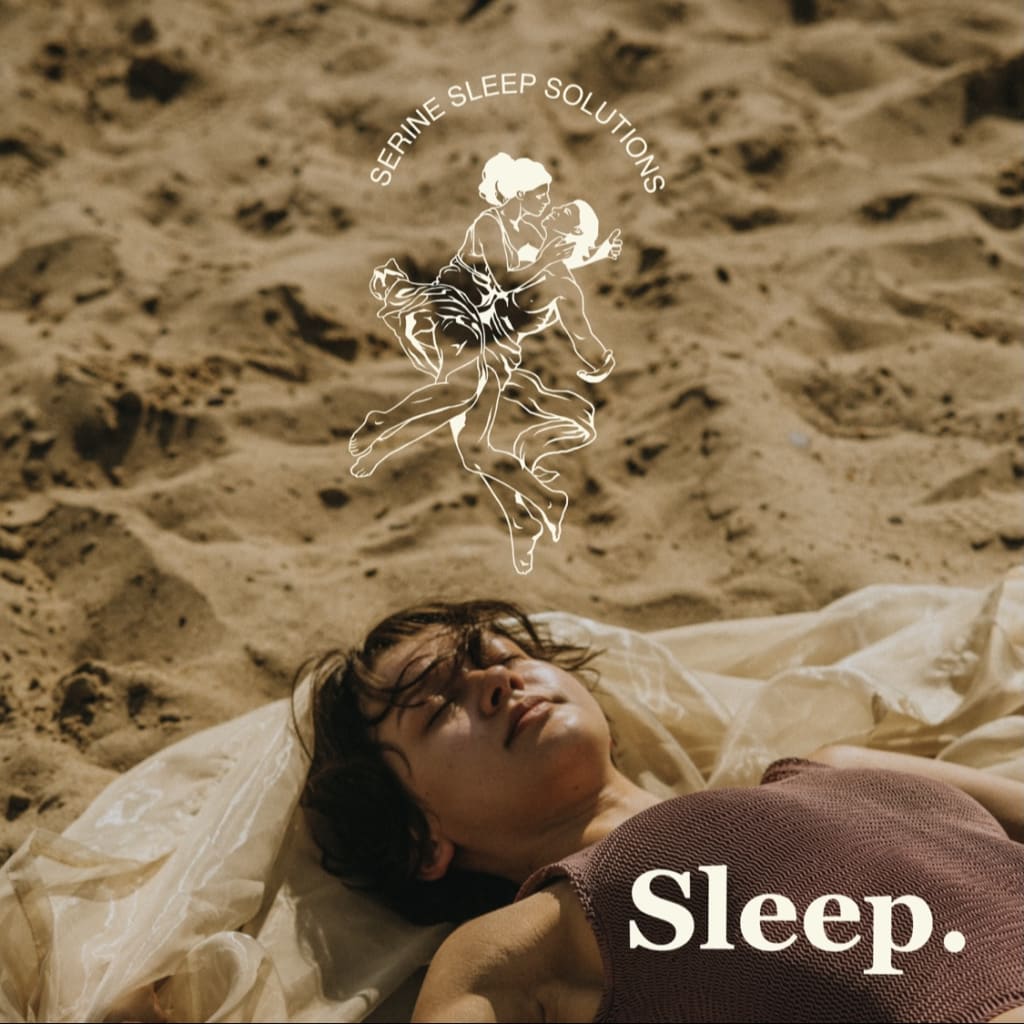
Serene sleep solutions.
There are several sleep-inducing steps one could take to resolve restlessness and deprivation. Start by setting a sleep schedule. Structure your day factoring in meals, a pre-sleep hygiene routine, wind-down time, and a steady bedtime. The body’s sleep regulatory system favors a set schedule for optimal performance. A few weeks of dedicated discipline will make it easier to fall asleep at the same time every day. Over time, your brain and body align and adjust to your internal clock. Eating a fulfilling high-fat/low carb meal two to four hours before bed helps to stave off hunger, and supports a slumberous siesta. Likewise, a warm bath or hot shower can be soothing solutions to wash away the stress of the day and ease restfully into the night. Wind down with mindfulness activities like yoga, meditation, journaling, and other calmative peaceful practices to set yourself up to sleep.

Get AM + PM sunlight.
Restoring circadian rhythm is crucial for ultimate relaxation regulation. The body’s circadian rhythm is a built-in 24-hour clock that regulates the sleep-wake cycle through cortisol to wake you up and melatonin to lull you to rest. Scientific research shows that exposure to bright and blue light interferes with the body’s internal clock producing excess cortisol. When this rhythm is misaligned, it makes it difficult to fall and remain asleep. Historically humans have spent the time after sunset in complete darkness. Thanks to technology and all our electrical gadgets we have to work harder at creating an environment that is conducive to recalibrating our circadian rhythm. Increasing sunlight exposure in the mornings and afternoons is the easiest and most practical way to resent your circadian rhythm. Eating morning meals outdoors or a short afternoon walk around your neighborhood or local park can make all the difference in resetting your restful rhythm.

Blue light blocking glasses like Blublox and screen covers can also reduce the impact of blue light on our circadian rhythm . Many tech tools now have built-in blue light blockers where you can set a timer to naturally dim the device light in alignment with the sunrise and sunset. Do Not Disturb is also an awesome feature to silence app notifications and other distractions. Black-out curtains can be used if your lifestyle requires you to sleep during the day or if there are bothersome streetlights outside your bedroom window. Turning the lights out two hours before bed requires the most discipline for those that like to sleep with the television on. Try swapping sound bowls, sedative music, or sleep stories for the silver screen. Brown noise machines and guided meditations are also sonically soothing auxiliary tools. There are tons of free meditation apps and YouTube offerings to choose calming and comforting sounds that can subdue you to sleep.
Melatonin
Mindfully managing melatonin disrupters like blue light, alcohol, and caffeine can also restore our circadian rhythm. Melatonin is a natural sleep hormone secreted from our pineal gland in the middle of our brain. We can support the natural production of this hormone with our sleep habits or supplement with synthetic forms of melatonin that are sold over-the-counter and online. It is best not to mix melatonin and alcohol; this combination can cause extreme drowsiness. Conversely, caffeine consumption decreases the amount of melatonin secreted in your body. Excessive light at night, alcohol and caffeine consumption must be monitored to maintain the melatonin levels needed to register deep and restful sleep.

Movement.
A moderate exercise routine during the day can help you sleep better at night. Cardio training activities like running, cycling, and hiking help to burn calories and reduce cortisol. Cortisol is commonly referred to as our stress hormone and is also regulated by our rhythm. Circadian rhythm naturally releases cortisol at different times throughout the day. It kicks in at about 4 am to help wake up us in the morning; then peaks early afternoon. Many people feel a dull drag in their energy levels when their cortisol starts to slump later in the afternoon. If your schedule does not permit a weekday workout, planks before bed can also improve the quality and duration of sleep. A 30-second plank engages all the muscles in your body and kicks out extra cortisol. If you try this tested tactic to tire you out, make sure to do a wrist and shoulder warm-up first before popping into a plank pose.
All in all, sleep is crucial for overall well being and longevity but dont beat yourslef over a night of lost sleep. Consistancy is key!
For more in depth wisdom on sleep check out Sallypalm.'s "Trive." Book series!
Goodnight.
About the Creator
Sallypalm.
Providing you with tools and resorces to empower you mentaly, emotionaly & physically.
Keep reading
More stories from Sallypalm. and writers in Longevity and other communities.
Why you should meditate every day
Understanding Meditation Meditation is an age-old practice used to be present and aware. A consistent meditation practice promotes mental clarity, calmness, and stability. Many faith-based communities and religions incorporate meditation into their spiritual traditions and teachings, but the techniques are non-secular and accessible to everybody and their ability level. If you have breath in your body, then you can meditate.
By Sallypalm.4 years ago in Psyche
Day 4 of Quitting
If this is how sobriety feels, maybe it’s better to go through life a little buzzed… this, along with other hits like, I want to kill myself, I wish I was dead, and I’m going to throw myself off a bridge have been the only thoughts on rotation these past few days. I promise myself that if, in a month, I still feel like this (‘this’ meaning despondent, full of rage, and simultaneously numb) I can go back to smoking. Until mid-February though? Nicotine is off the table.
By sleepy drafts14 days ago in Longevity
The 10 Best Diets for Weight Loss That Are Sustainable and Recommended By Nutritionists
As a dietitian, I know that weight loss is a common goal at the start of a new year. But it’s important to approach it with a focus on health, balance, and sustainability. As a calorie deficit is necessary to lose weight, the right eating pattern makes a difference. It can support your journey while also nourishing your body, improving energy levels, and promoting overall well-being. It’s not about quick fixes or extreme measures—the best diets for weight loss are about finding an approach that works for you in the long term.
By Good health to everyone7 days ago in Longevity
How to Succeed at the Benson Directory®
Congratulations and welcome to the Benson Directory® employee #22391! As our newest call handler, you will have the privilege of speaking with dozens of unique and interesting people on a daily basis as well as the opportunity to earn bonuses for high performance. Contained within this handbook you will find a set of ease to follow instructions designed to help you settle in to your new role and begin paving the way to success.
By S. A. Crawford4 days ago in Fiction



Comments
There are no comments for this story
Be the first to respond and start the conversation.