
Sarcoma, Carcinoma, Leukemias and Lymphoma
The Cancer Series (art-2)

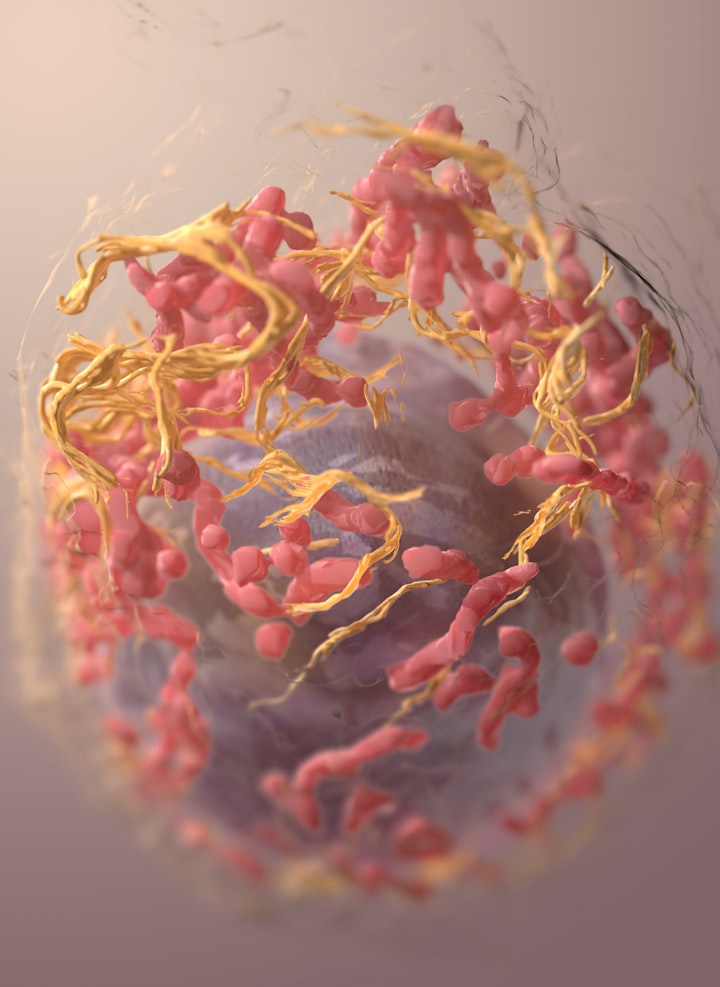
The term “cancer” houses more than 100 different diseases caused by abnormal multiplication of body cells at an uncontrollable rate.
Even though the list of cancers is very long, they can be categorized into 4 classes.
Carcinoma, leukemias, lymphoma, and sarcoma are the most recognized classes of cancer.
Cancers are named based on the area they begin from and the type of cells they are made of.
At this point, let’s discuss these types of cancer and their causes.
1. Sarcoma
2. Carcinoma
3. Leukemia
4. Lymphoma
Sarcoma: It is a type of cancer that affects connective tissue like bones and blood vessels.
Carcinoma: This is a type of cancer that originates from the skin and other tissues that line other organs like the liver or kidney.
Leukemia: This type of cancer originates from the bone marrow where blood cells are produced.
Lymphoma: This is cancer of the Immune system.
SARCOMA
Sarcoma: This is the type of cancer that affects connective tissues.
Sarcoma is an uncommon kind of cancer.
Types of sarcoma
Soft tissue sarcoma
Bone sarcoma
Soft tissue sarcoma: This is the most popular type of sarcoma. This kind of sarcoma affects connective tissues like fat, muscles, tendons, and blood vessels. Soft tissue cancer usually develops in the arms, chest, and legs.
Examples of soft tissue sarcoma.
1. Liprosarcoma (starts from the fat tissue)
2. Myxofibrosarcoma (starts from the fibrous tissue)
2. Extraskeletal osteosarcoma( extraosseous) - develops in soft tissues around the bone.
3. Fibrosarcoma (starts from the deep fibrous tissue)
4. Malignant granular cell tumor (develops in the nerve tissues)
4. Dermatofibrosarcoma (usually starts in an arm or leg)
5. Leiomyosarcoma (starts in the smooth muscle)
6. Rhabdomyosarcoma (starts in skin vessels)
7. Epithelioid hemangioendothelioma( starts in epithelial cells within blood vessels)
7. Synovial sarcoma (starts in tissues around joints)
8. Malignant peripheral nerve sheath tumors(MPNSTs) - (starts within the nerve cells)
The list of sarcomas is so long that I can’t exhaust it in one article.
Causes of sarcoma
1. Lymphedema
2. Exposure to chemicals
3. Virus affections
CARCINOMA
Carcinoma: carcinoma originates from the epithelial layer of the skin or any other tissue that lines organs such as the liver or pancreas.
Types of carcinoma
1. Adenocarcinoma - originates from glandular cells
2. Renal cell carcinoma: This is a common type of kidney cancer.
3. Squamous cell carcinoma: this kind of carcinoma develops in the squamous cells.
4. Basal cell carcinoma: BCC is the commonest form of skin cancer.
5. Ductal carcinoma in situ: this is a common kind of breast cancer that doesn’t invade other body parts.
Invasive ductal carcinoma: This is an invasive kind of breast cancer.
Causes of carcinomas
1. Smoking
2. Poor diet
3. Strong radiations
4. Virus infections
Adenocarcinoma is a subdivision of “carcinoma” and it is the most common and deadliest type of pancreatic cancer. It being so, marks the “carcinoma” category as a very fatal type of cancer with a very low survival rate.
LEUKEMIAS
Leukemias is the type of cancer that affects blood-forming tissues.
Leukemia is categorized according to the type of blood cells involved. These cells could be lymphocytes, granulocytes, erythrocytes and monocytes.
Types of leukemia
1. Lymphocytic leukemias: Involves lymphocytes.
2. Myeloid leukemias: Involves granulocytes and monocytes.
Causes of leukemia
1. Smoking
2. Strong radiations
3. Family history
4. Exposure to chemicals
LYMPHOMA
Lymphoma is cancer of the immune system
Causes of lymphoma
1. Aging
2. Strong radiations
3. Autoimmune diseases
4. Weak Immunity
5. Family history
6. Feeding
That is the wrap up of the major cancer categories.
A $1 tip means life to me. Thank you for funding my dreams.
#WritingWithFreddie
About the Creator
Fred Musoke
I want to give my writing a fragrance. I mean, that redolence which won’t only outlast my generation, but will also nudge the souls on Mars.
Keep reading
More stories from Fred Musoke and writers in Longevity and other communities.
Cancer Defined
The term “cancer” houses more than 100 different diseases caused by the abnormal multiplication of body cells at an uncontrollable rate. The human body is made up of about 30 trillion cells (30,000,000,000,000). Normally, these cells are produced and reproduced through a process called cell division. Cancer begins when genetic mutations interfere with the orderly process of cell division. After the interference, damaged cells won’t be eliminated when they should hence they will multiply yet they shouldn’t.
By Fred Musoke4 years ago in Longevity
Woman in 60s Sells Home to Live on Cruise Ship
A woman in her 60s has made headlines after selling her home and belongings to live permanently on a cruise ship, trading the traditional comforts of homeownership for the freedom of life at sea. The decision, which has captured public attention worldwide, reflects a growing trend among retirees seeking new experiences and adventure in their later years. The woman, who has chosen to remain anonymous for privacy reasons, spent decades living in a suburban neighborhood in the United Kingdom. Having raised a family and enjoyed a steady career, she reached a point in life where routine no longer fulfilled her sense of purpose. Inspired by a lifetime of travel and a love of the ocean, she decided to sell her property and embark on what she describes as “the ultimate retirement adventure.” “I realized I had always dreamed of seeing the world from the deck of a ship, waking up in a different port every few days,” she said in an interview. “Owning a home was comfortable, but I wanted freedom, exploration, and the chance to meet people from around the world.” Financially, the decision was made possible by the sale of her house and careful planning. She opted for a long-term residency package offered by a well-known cruise line, which allows passengers to live aboard indefinitely while enjoying all-inclusive meals, entertainment, and medical facilities. Such packages have grown in popularity among affluent retirees, providing a mobile yet secure lifestyle without the demands of maintaining a home on land. Life aboard a cruise ship is markedly different from traditional retirement. Days are filled with a mix of leisure, social activities, and travel. Residents can attend fitness classes, participate in hobby groups, or simply relax while enjoying ocean views. Social interaction is a central component, with daily opportunities to meet people from diverse backgrounds. “I love the sense of community on board,” the woman said. “Even though we’re constantly moving, friendships form quickly, and there’s always something happening. It’s energizing to be around people who are embracing life fully.” Living on a cruise ship does come with challenges. Residents must adapt to limited personal space and shared facilities, as well as the lack of a permanent land address. Internet connectivity can be inconsistent in certain regions, and weather conditions occasionally affect travel schedules. However, for many, including the woman in her 60s, the benefits of adventure and exploration outweigh these inconveniences. Travel experts note that this lifestyle is part of a broader trend called “sea nomadism,” in which retirees and digital nomads choose mobility and experiences over traditional stability. With cruise lines increasingly offering long-term residency options, this niche market has expanded, catering to those seeking both comfort and novelty. Healthcare is another important consideration. Cruise lines providing long-term residency packages often include access to medical facilities on board. For serious emergencies, arrangements exist for treatment at port hospitals. The woman emphasized that she reviewed these provisions carefully before committing to life at sea. Beyond the personal experience, the choice reflects a shift in societal attitudes toward retirement. Traditional models of retiring to a quiet suburban home or country cottage are being supplemented by alternatives emphasizing active lifestyles, cultural immersion, and travel. Experts say that financial independence combined with good health has made these kinds of bold choices more feasible than ever before. The woman’s decision has sparked interest on social media, with many expressing admiration for her courage to embrace change and pursue long-held dreams. “It’s inspiring to see someone take such a bold step in their 60s,” commented one online reader. “It shows that adventure doesn’t have an age limit.” Cruise line representatives report that inquiries from retirees seeking long-term residency have surged in recent years. Packages typically include private cabins, flexible dining options, entertainment programs, and shore excursions, allowing residents to maintain a rich and varied lifestyle. For the woman, the journey has already exceeded expectations. She has visited multiple countries, explored coastal towns, and enjoyed cultural events far beyond what a traditional retirement would have offered. She encourages others to consider unconventional paths if conventional routines no longer bring satisfaction. “I’m not just living,” she said. “I’m exploring, learning, and connecting with people every day. Life doesn’t have to slow down because you reach a certain age. If anything, it’s an opportunity to embrace freedom and adventure fully.” As more retirees consider alternatives to conventional retirement living, stories like hers highlight a growing desire for experience, mobility, and connection, signaling that the notion of retirement is evolving in exciting ways. Living aboard a cruise ship may not be for everyone, but for those seeking a life less ordinary, it represents the ultimate freedom to combine travel, comfort, and community in a single lifestyle.
By Fiaz Ahmed 2 days ago in Longevity
One Key Protein Could Be a Powerful New Target Against Malaria
Scientists have uncovered a major vulnerability in the parasite that causes malaria that could lead to a new class of treatments and interventions, offering hope against one of the world’s deadliest infectious diseases. The discovery centers on a crucial protein called Aurora‑related kinase 1 (ARK1), which researchers say is indispensable to the malaria parasite’s ability to grow and reproduce. Despite decades of progress in vaccine development and antimalarial drugs, malaria continues to kill hundreds of thousands of people each year, largely in sub‑Saharan Africa, with young children bearing the greatest burden. The need for new tools to combat the disease — especially ones that operate differently from existing drugs — is urgent. The newly identified protein may offer exactly that. A Parasite’s Weakness Revealed The malaria parasite, Plasmodium, undergoes a complex and unusual form of cell division that is very different from how human cells reproduce. ARK1 plays a central role in this process. The protein directs the assembly of a structure called the spindle apparatus, which ensures that the parasite’s genetic material is accurately split and distributed during cell division. In laboratory experiments, scientists used genetic tools to turn off ARK1 in Plasmodium organisms. The result was dramatic: without this protein, the parasites could no longer form spindles correctly, meaning they failed to replicate at all — either inside human red blood cells or within the mosquito vectors that spread malaria. This effectively stopped their life cycle. “This protein truly heralds a new beginning in our understanding of malaria cell biology,” said one researcher involved in the study. The finding was published in the scientific journal Nature Communications and represents a significant step forward in the fight against malaria. Why ARK1 Is Such a Promising Target There are two key reasons scientists are excited about ARK1 as a target: 1. Fundamental difference from human biology. Humans have their own versions of Aurora kinases — proteins involved in cell division — but the form used by malaria parasites is structurally different. This means it may be possible to design drugs that specifically inhibit ARK1 in the parasite without interfering with human cells, reducing the risk of harmful side effects. 2. Blocking transmission as well as infection. Most antimalarial drugs only affect the parasite once it has infected the human host. ARK1, however, is necessary both in the parasite’s human phase and in its reproductive stage inside mosquitoes. Targeting ARK1 could potentially disrupt the parasite’s life cycle in both hosts — a dual effect that would make new therapies more powerful than many existing options. A New Direction for Antimalarial Therapy Existing antimalarial drugs, such as artemisinin and its derivatives, often target metabolic processes within the parasite. Over time, however, resistance has emerged in some regions, reducing the effectiveness of these treatments. A drug targeting ARK1 could bypass these resistance mechanisms entirely, providing a novel mode of action. Researchers emphasize that this discovery does not immediately translate into a new medicine. Drug development is a complex, costly, and time‑consuming process that involves designing molecules that effectively inhibit ARK1, testing them in laboratory and animal models, and eventually conducting clinical trials in humans. Nevertheless, identifying ARK1 as an essential protein is a major scientific breakthrough that opens the door to these next stages of research. The Global Context Malaria remains one of the most persistent global health challenges. According to health authorities, there were an estimated hundreds of millions of malaria cases in recent years, with a significant number of deaths — particularly among young children in areas lacking access to prompt treatment and preventive measures. While tools like bed nets, insecticides, and vaccines have helped reduce the burden, malaria has proved adept at evading control strategies through adaptation and resistance. By identifying a previously underappreciated target like ARK1, scientists hope to stay ahead of the parasite’s evolutionary tricks. Future drugs that cripple the parasite’s ability to replicate could save countless lives and complement existing measures such as vaccines and vector control programs. Looking Ahead The discovery of ARK1’s critical role marks a promising chapter in antimalarial research. It underscores the value of fundamental biological studies in revealing “Achilles’ heels” within pathogens that can be exploited therapeutically. As researchers begin exploring molecules that can shut down this protein, the global health community may be on the cusp of a powerful new tool in the fight against one of humanity’s oldest foes.
By Fiaz Ahmed 3 days ago in Longevity


Comments
There are no comments for this story
Be the first to respond and start the conversation.