
Sacred Sage - A Medicine Of Protection
Honoring a tradition older than the mountains, smoke from sacred sage, a blessed protective plant is whiffed heavenward for purification of the body, mind, and spirit.



By: Marlene Affeld
Traced back to the beginning of recorded time, sacred sage’s healing power has benefited many different cultures including the Native North and South American tribes who used the healing herb to treat headaches, snakebites, sickness, sores, and sadness. Cleansing and cathartic, white sage is also used for the sanctification of sacred articles in advance of prayers and other cultural and religious rituals.
A culturally-sacred herb, Sacred Sage ((Artemesia califoncia), or as it is commonly known, white sage or bee sage, is an evergreen perennial shrub long revered as medicine of protection by the Native American people of the Pacific coast of the United States. Sage, along with cedar, tobacco, and sweetgrass, is one of the four plants considered sacred and extensively used in traditional Native American cultural ceremonies to connect to the spirit world.

Sacred sage and these other three herbaceous plants have several things in common, primarily the versatility with which they are utilized. Depending on the specific native culture, sage is used in a diverse array of ways to promote the healing of both the mind and body. Broadcast over the floor of sweat lodges, tucked away in a medicine pouch, smoked or burned to calm a troubled spirit, sacred sage is a centuries-old respected remedy. In traditional medicine wheel teachings, sacred sage represents the Western direction.
Smudging

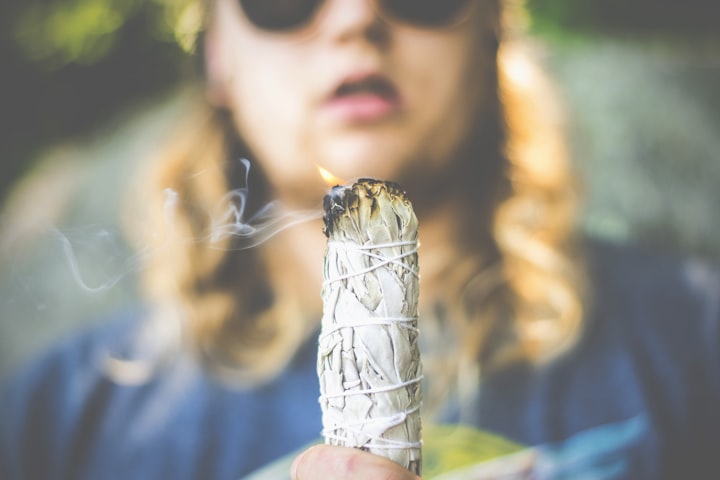
Sacred sage is burned to enhance meditation, to purge and purify the spirit and to remove evil from the home. In some beliefs, white sage smoke is believed to provide an impenetrable barrier that prevents negativity and dark-soul spirits from entering the space in which the ceremony is being held. If you are wondering how often you should smudge your personal space, like most health and wellness practices, the more often the better. When you connect with someone’s energy or vibes, good or bad, that energy, like perfume, seems to linger in the air. Smudge to reclaim your space.
The aromatherapeutic benefits of white sage smudging do more than removing toxic vibes and negative energy. Smudging your living spaces is scientifically proven to remove more than 94 percent of airborne bacteria. During cold and flu season it is a wise idea to smudge your home daily. If you are allergic to smoke, a few drops of sacred sage essential oil, the concentrated spirit of the plant, can be added to water and sprayed to mist the air.
Medicinal Benefits
Nutrient-rich sage is a healing herb chock full of magnesium, folate, potassium, phosphorus, vitamins A and K, and beta-carotene. Sage also contains powerful antimicrobial, anti-inflammatory, and antioxidant properties. Sacred sage is a natural source of polyphenolic compounds and flavonoids and possesses strong immune-boosting properties.
White or sacred sage is used in cooking as a culinary herb to bring a savory scent and flavor to bread, sauces, soups, and stews. Many native tribes chewed the leaves of white sage to prevent heatstroke. Chewing the leaves also cleans the palate and cures bad breath. Rub sacred sage leaves on teeth to whiten them or brew up a soothing gargle by pouring one cup of boiling water over 4 to 6 chopped fresh sage leaves, steep and strain. Cool before using.

For the Cahuilla people of Southern California, sage seed traditionally was a primary ingredient in pinole, a much relied upon food staple. The Cahuilla people harvested enormous quantities of the seed then ground it with wheat or cornflour and a bit of fat and honey to make tortillas, biscuits, bread, or cereal. Acorns and berries were added for taste variations.
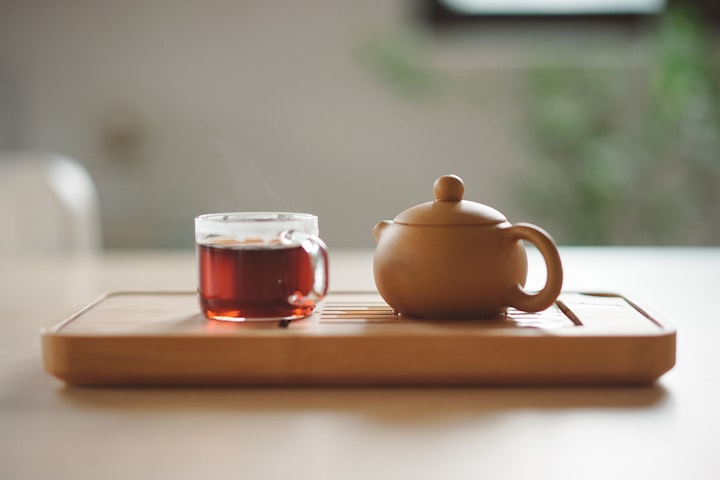
For healing use, tea from the roots of the sacred sage plant was prescribed for women for strength and healing after childbirth. Sipping white sage tea is said to promote alertness, calmness, awareness, and contentment. White sage tea is also prescribed to diminish menopausal symptoms including insomnia, night sweats, hot flashes, headaches, palpitations, and dizziness. Sacred sage provides relief because the plant contains phytoestrogen, a type of plant-derived estrogen. Within the Cahuilla tribe, sacred sage is often referred to as “Woman’s Medicine” as it plays an integral role in the Moon ceremony.
To treat a sinus infection, inhale the aroma given off when smudging with white sage. The plant contains a compound known as eucalyptol, or cineole, that when inhaled helps to reduce painful sinus inflammation and infection.
During the current Coronavirus pandemic, it is imperative to avoid germs. Make your own hand sanitizer by mixing half a cup of aloe vera gel with half a cup of rubbing alcohol. Add 20 to 30 drops of sage essential oil. Apply generously to hands throughout the day.

To calm the stress of an energy-draining day, soak in a hot tub of water, adding a cup of Epsom salts and 10-to-15 drops of sacred sage essential oil. A relaxing sage-scented bath relieves muscle aches and calms nerves.
A tea from sacred sage leaves steeped in boiling water and sweetened with honey is a traditional remedy for poor circulation, digestion disruptions, asthma, bronchitis, cough, angina pain, and mouth and throat inflammations and infections. Sacred sage tea was also believed to relieve depression, stop excess sweating, and when applied as a wash or poultice, to relieve skin infection and irritations.
To enjoy the fragrance and healing properties of white sage, add a few drops of essential oil to unscented lotions, or mix with an organic carrier oil such as almond or sesame to make a lightweight body fragrance and moisturizer.
Habitat
Sacred sage grows in the Western United States (United States Plant Hardiness Zones 8 through 11) and throughout Northwestern Mexico. Sacred or white sage is found growing along streambeds, prairies, roadside ditches and in other semi-disturbed areas. Drought-tolerant sacred sage prefers the sandy or rocky soil of well-drained slopes in full sunlight. White sage flourishes in the high desert ecosystems of the Mountain West. However, the wild sacred sage is found in the greatest abundance within the lower elevation coastal scrub habitat and yellow pine forests of Southern California and down the coastal flank of Baja California. California white sage (salvia apiana), often mistaken for sacred sage (Artemesia califoncia), which is also commonly known as white sage, has many similar characteristics and properties but does not have concentration nor the intensity of scent found in sacred sage.
Description

A dense, compact shrub that reaches heights of from 4 to 8 feet at maturity, sacred sage presents whitish evergreen leaves, about 3 to 3 inches long. The elongated leaves are thickly covered with hairs that trigger the plant’s oil glands. When the sage is brushed or rubbed against, resins and oils are released, producing a pungent, incense-like fragrance. The hardy herbaceous plant uses the sun’s energy to produce the scented oil which repels wildlife and would eat the plant. In early spring, flower stalks, 3 to 4 feet in height, tower above the foliage. Blooms are white to pale lavender. Sacred sage is a member of Lalmiacea or mint plant family which contains up to 1000 species worldwide.
Harvesting Sacred Sage
Drought-tolerant white sage is easy to grow from seed and can be grown outdoors, in a container or pot, or in a garden, or greenhouse. Sage requires a bright sunny spot and soil with good drainage. The tough plant can be pruned to maintain shape and form.
If you wish to wild harvest sacred sage as a smudge or smolder, gather leaves in late summer through early autumn. Spread sage leaves out on a paper towel and allow to partially dry until they feel like aged leather. Cedar, various herbs, sweetgrass, juniper, and wildflowers make wonderful additions to your smudge sticks. Bind together with a thin vine or hemp cord and hang upside down to continue drying. No matter if you are cultivating white sage to spice up culinary dishes or to use for smudging purposes, the elegant herbaceous plant is a handsome addition to the homestead herb garden.
References:
United States National Library of Medicine - Chemistry, Pharmacology, and Medicinal Property of Sage to Prevent and Cure Illnesses such as Obesity, Diabetes, Depression, Dementia, Lupus, Autism, Heart Disease, and Cancer
https://www.ncbi.nlm.nih.gov/pmc/articles/PMC4003706/
Clark County Master Gardeners - Use Sage Wisely
https://s3.wp.wsu.edu/uploads/sites/2079/2014/02/Sage.pdf
NASA - Earth Observatory - White Sage
https://earthobservatory.nasa.gov/experiments/biome/seedsage.php
About the Creator
Marlene Affeld
“A passionate writer for more than 30 years, Marlene Affeld’s passion for the environment inspires her to write informative articles to assist others in living a green lifestyle.”
Keep reading
More stories from Marlene Affeld and writers in Longevity and other communities.
Help! I Am Losing My Hair
By: Marlene Affeld Cysteine Amino Acid Cysteine amino acid (Cys), also known as L-cysteine or Acetyl L-cysteine is a semi-essential proteinogenic amino acid that includes the element sulfur. Cysteine naturally occurs in a broad assortment of foods, including meat, poultry, fish, grains, nuts, seeds, dairy products, egg yolks, sprouts, garlic, onions, broccoli, and red peppers.
By Marlene Affeld6 years ago in Longevity
Day 4 of Quitting
If this is how sobriety feels, maybe it’s better to go through life a little buzzed… this, along with other hits like, I want to kill myself, I wish I was dead, and I’m going to throw myself off a bridge have been the only thoughts on rotation these past few days. I promise myself that if, in a month, I still feel like this (‘this’ meaning despondent, full of rage, and simultaneously numb) I can go back to smoking. Until mid-February though? Nicotine is off the table.
By sleepy drafts9 days ago in Longevity
United States Artificial Intelligence in Diagnostics Market Size and Forecast 2025–2033
United States Artificial Intelligence in Diagnostics Market Overview The United States Artificial Intelligence in Diagnostics Market is undergoing a transformative phase as healthcare systems increasingly adopt intelligent technologies to enhance diagnostic precision and clinical efficiency. According to Renub Research, the market is expected to expand from US$ 424.41 million in 2024 to US$ 1,837.00 million by 2033, growing at a robust CAGR of 17.68% from 2025 to 2033. This rapid growth reflects the rising need for precision medicine, advanced imaging analytics, and AI-driven clinical decision support across hospitals, diagnostic laboratories, and specialty care centers in the U.S.
By Marthan Sir7 days ago in Longevity


Comments
There are no comments for this story
Be the first to respond and start the conversation.