
Russian Cardiologist Reveals 6 Daily Habits Behind Heart Failure in Healthy People
Even the fittest individuals may unknowingly harm their hearts every day. A leading Russian cardiologist breaks down six common habits that quietly lead to heart failure.


When we think of heart disease, we often picture unhealthy lifestyles — smoking, obesity, or lack of exercise. But according to a prominent Russian cardiologist, even people who seem perfectly healthy can be on a dangerous path to heart failure due to six everyday habits they barely notice.
These habits, often disguised as normal routines, gradually weaken the heart and blood vessels. Over time, they can trigger fatigue, irregular heartbeat, and even sudden cardiac events. Let’s explore these hidden culprits and what the cardiologist advises to keep your heart strong.
1. Skipping Breakfast or Eating It Too Late
Many people skip breakfast in the rush of daily life, believing that intermittent fasting helps weight control. However, the cardiologist warns that skipping breakfast forces the body into stress mode, increasing the release of cortisol and adrenaline — hormones that elevate blood pressure and strain the heart.
Moreover, when breakfast is delayed, blood sugar fluctuations become more pronounced, leading to insulin resistance, a silent contributor to cardiovascular problems.
Healthy fix: Start your day with a balanced breakfast within one hour of waking. Include whole grains, fruits, and proteins like eggs or yogurt to stabilize energy levels and protect your heart.
2. Sitting for Long Hours Without Movement
Desk jobs and screen-based lifestyles have created a silent epidemic: sitting disease. Prolonged sitting reduces circulation, leading to the buildup of fatty acids and cholesterol in the blood.
“Even a healthy heart becomes sluggish if blood flow is constantly restricted,” the cardiologist explains. “It’s not just about exercise; it’s about continuous movement.”
Studies confirm that sitting for over eight hours a day can increase the risk of heart failure by up to 50%, even for people who work out regularly.
Healthy fix: Stand up every 30–40 minutes, take short walks, or do light stretches to keep blood flowing. Small, consistent movements can cut your cardiovascular risk dramatically.
3. Excessive Caffeine and Energy Drinks
Caffeine in moderation may boost alertness and even support heart health, but excessive intake — especially from energy drinks — puts stress on the cardiovascular system.
Energy drinks often contain high levels of caffeine, taurine, and sugar, which together can cause heart palpitations, increased blood pressure, and dehydration. The cardiologist emphasizes that young adults and athletes are increasingly showing signs of cardiac arrhythmias linked to these drinks.
Healthy fix: Limit coffee to 2–3 cups per day and avoid energy drinks altogether. Hydrate with water or herbal teas instead.
---
4. Chronic Stress and Lack of Rest
Modern life often glorifies being busy, but the heart doesn’t share that enthusiasm. Chronic stress, whether from work, relationships, or finances, causes constant spikes in stress hormones. These hormones tighten blood vessels and increase heart rate, keeping the cardiovascular system in a perpetual “fight or flight” mode.
The cardiologist notes that stress contributes to hypertension, irregular heart rhythm, and inflammation, all of which accelerate heart aging.
Healthy fix: Adopt relaxation habits such as meditation, deep breathing, or simply unplugging from devices for 30 minutes a day. Rest isn’t laziness — it’s heart therapy.
5. Lack of Quality Sleep
Even the healthiest diet and workout can’t undo the damage of poor sleep. Sleep deprivation reduces the body’s ability to regulate blood pressure and blood sugar, while increasing levels of C-reactive protein (CRP) — a marker of inflammation linked to heart disease.
“Sleeping less than six hours a night consistently can increase your risk of heart failure by nearly 40%,” the cardiologist warns.
Healthy fix: Prioritize 7–8 hours of quality sleep in a dark, quiet environment. Avoid screens before bed and maintain a consistent bedtime routine.
6. Overuse of Salt and Processed Foods
Salt is essential for life, but most people consume two to three times more than their body needs. High sodium levels lead to fluid retention and elevated blood pressure, putting a constant strain on the heart.
Processed foods — like instant noodles, chips, and canned soups — are the biggest sources of hidden sodium. Even “healthy” snacks and sauces can contain shocking amounts.
Healthy fix: Limit sodium intake to less than 2,300 mg per day (about one teaspoon of salt). Replace processed foods with fresh vegetables, fruits, and lean proteins. Use herbs and lemon juice for flavor instead of salt.
The Takeaway: Heart Health Is Built in Small Moments
The cardiologist’s message is clear — heart failure isn’t just about bad luck or genetics. It’s often the result of everyday choices that slowly erode cardiovascular strength.
By making small adjustments — eating breakfast, taking breaks from sitting, managing stress, and sleeping better — anyone can dramatically reduce their heart risk.
“Heart health,” the cardiologist concludes, “is not about avoiding one big mistake. It’s about avoiding the little ones we repeat every day.”
About the Creator
Fiaz Ahmed
I am Fiaz Ahmed. I am a passionate writer. I love covering trending topics and breaking news. With a sharp eye for what’s happening around the world, and crafts timely and engaging stories that keep readers informed and updated.
Keep reading
More stories from Fiaz Ahmed and writers in Longevity and other communities.
Bollywood Legend Dharmendra’s Health Update: Family Assures Fans He’s Stable and Recovering
Bollywood’s beloved icon Dharmendra, sometimes known as the “He-Man” of Hindi cinema, has recently been hospitalized in Mumbai’s famous Breach Candy Hospital, prompting a flood of concern, speculation and unfortunately, misinformation. But amidst the buzz, his family has stepped in to calm fears: Dharmendra is reportedly stable and responding to treatment, not in the dire condition that rumours suggested.
By Fiaz Ahmed 2 months ago in Longevity
Day 4 of Quitting
If this is how sobriety feels, maybe it’s better to go through life a little buzzed… this, along with other hits like, I want to kill myself, I wish I was dead, and I’m going to throw myself off a bridge have been the only thoughts on rotation these past few days. I promise myself that if, in a month, I still feel like this (‘this’ meaning despondent, full of rage, and simultaneously numb) I can go back to smoking. Until mid-February though? Nicotine is off the table.
By sleepy drafts12 days ago in Longevity
The Hidden Power of the Nerve Endings in Your Feet
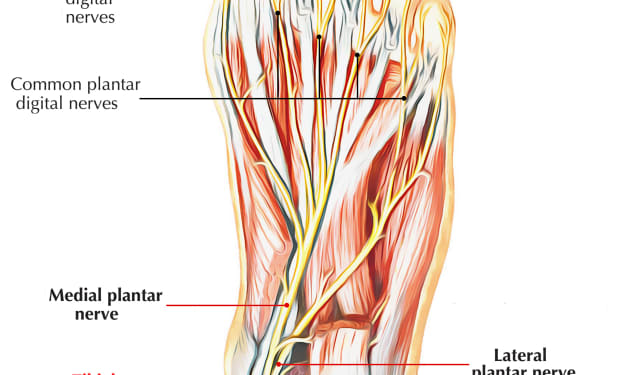
Most people don’t give much thought to their feet unless they’re uncomfortable or tired. Yet beneath the surface, the nerve endings in the feet are constantly working, sending vital information to the brain that influences balance, posture, and movement. These signals operate quietly in the background, but they play a far greater role in daily life than many people realize.
By AhmedFitLife5 days ago in Longevity



Comments
There are no comments for this story
Be the first to respond and start the conversation.