
Role of Gut Microbiome in Mental Health: Exploring the Link Between Digestive Health and Emotional Well-being
Gut-Brain Axis: A Two-Way Communication System
In recent years, mental health has become a focal point in healthcare discussions. Depression, anxiety, and stress-related disorders affect millions worldwide, but the connection between mental well-being and physical health is often overlooked. One area that's gaining attention, but still relatively underexplored, is the relationship between gut health and mental health, especially in the context of the gut microbiome.
What is the Gut Microbiome?
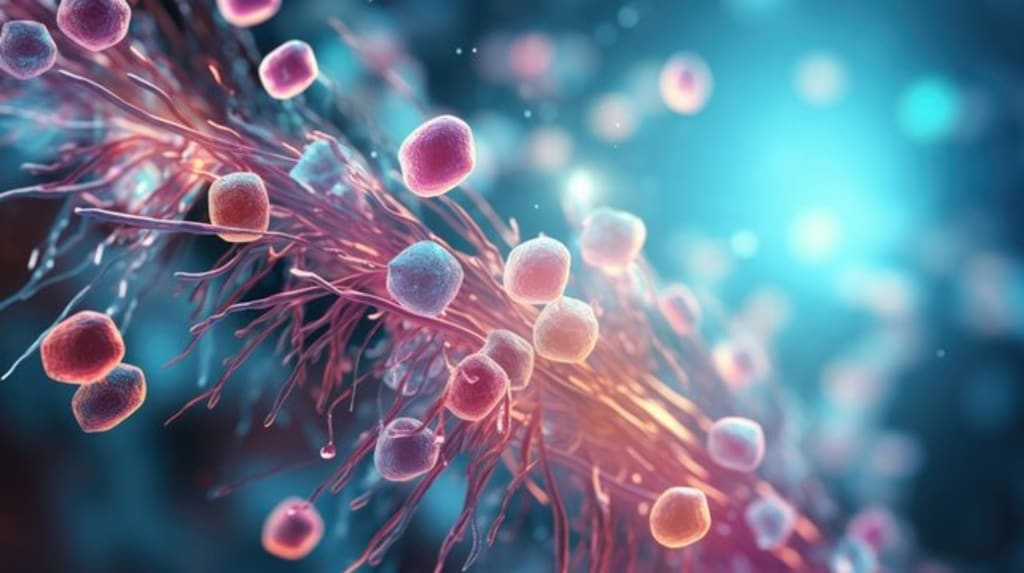
The gut microbiome refers to the trillions of bacteria, viruses, fungi, and other microorganisms residing in the digestive tract. These tiny organisms play a vital role in breaking down food, absorbing nutrients, and even protecting against harmful pathogens. But beyond their digestive function, recent studies suggest they have a far-reaching influence on other parts of the body, particularly the brain.
The Gut-Brain Axis: A Two-Way Communication System
The concept of the "gut-brain axis" refers to the bidirectional communication system between the digestive system and the central nervous system. It’s not just the brain telling the body what to do—your gut also sends signals to your brain. This connection occurs through a variety of pathways, including the vagus nerve and the production of neurotransmitters like serotonin, a key player in regulating mood and emotional well-being.
Did you know that approximately 90% of serotonin, often referred to as the "happiness hormone," is produced in the gut, not the brain? This means that the health of your digestive system directly impacts how you feel emotionally.
The Microbiome’s Impact on Mental Health
Numerous studies have suggested that imbalances in gut bacteria, known as dysbiosis, may contribute to mental health disorders such as depression and anxiety. In fact, certain strains of bacteria in the gut are involved in producing and regulating neurotransmitters like serotonin, dopamine, and GABA, all of which are essential for mood regulation.
For example:
Lactobacillus and Bifidobacterium strains are commonly found to boost mood and reduce anxiety.
An overgrowth of harmful bacteria like Clostridium has been linked to increased inflammation, which can exacerbate symptoms of depression.
Can Probiotics Be a New Form of Mental Health Therapy?
Probiotics, often marketed as "good bacteria," are live microorganisms that can help restore balance in the gut microbiome. While traditionally used to treat digestive issues, probiotics are now being studied for their potential to improve mental health.
A 2017 study published in the Journal of Psychiatric Research found that participants who consumed probiotic supplements for six weeks reported lower levels of stress and anxiety. Another 2019 study in the International Journal of Neuropsychopharmacology suggested that probiotics could reduce symptoms of depression in people with mild to moderate mental health conditions.
However, probiotics are not a one-size-fits-all solution. The strains that benefit one person may not necessarily help another, as everyone's gut microbiome is unique. More research is needed to fully understand which specific strains of bacteria have the most significant mental health benefits.
Nutritional Interventions for a Healthy Gut and Mind
Improving your gut health can have a profound effect on your mental well-being. Here are some simple, actionable steps to support both:
Eat a Fiber-Rich Diet: Foods like fruits, vegetables, and whole grains feed the good bacteria in your gut, helping them thrive and outcompete harmful bacteria.
Consume Fermented Foods: Foods like yogurt, kefir, kimchi, and sauerkraut are natural sources of probiotics, which can boost the diversity of your gut bacteria.
Limit Processed Foods and Sugar: Highly processed foods and sugar can promote the growth of harmful bacteria and lead to inflammation, which has been linked to mental health disorders.
Consider Prebiotics: Prebiotics are non-digestible fibers that nourish the beneficial bacteria in your gut. Foods like garlic, onions, and bananas are excellent sources of prebiotics.
Manage Stress: Stress negatively impacts gut health by altering the balance of bacteria in the microbiome. Practices like mindfulness, meditation, and regular exercise can help manage stress and improve gut-brain communication.
Wrapping Up!
While the relationship between gut health and mental health is still an emerging field of study, early findings suggest that maintaining a healthy gut microbiome could play a crucial role in emotional and psychological well-being. As research continues to unfold, we may soon see gut-targeted therapies, such as personalized probiotics or dietary changes, becoming part of mainstream mental health treatment.
In the future, taking care of your gut could mean more than just avoiding digestive discomfort—it might be key to managing stress, anxiety, and even depression. So, next time you’re thinking about your mental health, don’t forget to consider what’s going on in your gut.
About the Creator
Keep reading
More stories from writers in Longevity and other communities.


Comments (1)
Wow! What a serious and wonderful article you have written. Commendable work. This forced me to subscribe to you. You are truly an amazing writer. I also write poems and fictional stories. You can subscribe to me and read my work.