
Redefining Lipid Biology: From Droplets to Ferroptosis
How Lipids Are Shaping Our Understanding of Cell Health, Disease, and Therapeutic Potential
Introduction: Lipids Beyond Fat Storage
Lipids, commonly known as fats, have long been associated with energy storage and cellular insulation. Yet, recent research is revealing that lipids play far more complex and critical roles in cellular health, signaling, and disease processes. From lipid droplets to the recently discovered mechanism of ferroptosis, the biology of lipids is undergoing a revolutionary reevaluation.
Understanding these processes is not just an academic pursuit. Lipids are increasingly recognized as key players in metabolic disorders, cancer, neurodegeneration, and inflammatory diseases. The emerging field of lipid biology promises new insights into both basic cell function and innovative therapeutic approaches.
Lipid Droplets: The Cellular Powerhouses
Historically, lipid droplets were considered inert fat storage compartments. Modern research, however, has revealed that lipid droplets are dynamic organelles involved in multiple cellular processes:
Energy Regulation: Lipid droplets store triglycerides that can be mobilized to produce energy during nutrient scarcity.
Signaling Molecules: Lipids stored in droplets serve as precursors for hormones, eicosanoids, and other signaling compounds.
Protection Against Stress: Lipid droplets sequester toxic lipids and prevent oxidative damage, acting as buffers for cellular homeostasis.
These findings highlight that lipid droplets are not just passive storage units but active regulators of cell metabolism and stress responses.
Introducing Ferroptosis: Lipid Peroxidation-Driven Cell Death
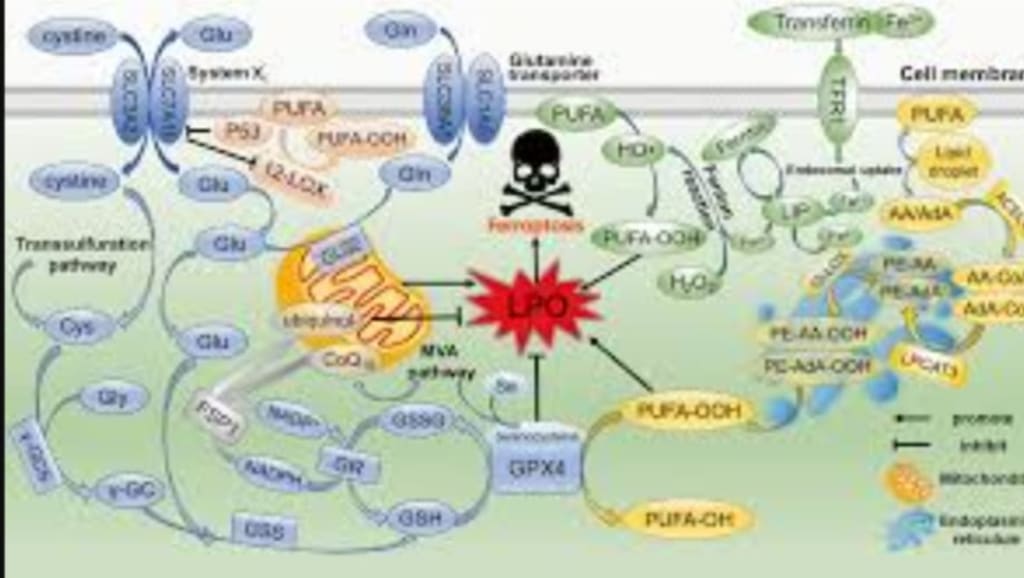
A major breakthrough in lipid biology is the discovery of ferroptosis, a distinct form of programmed cell death. Unlike apoptosis or necrosis, ferroptosis is driven by iron-dependent lipid peroxidation. In other words, the oxidation of specific lipids in cell membranes triggers cell death.
Key features of ferroptosis include:
Dependence on iron and reactive oxygen species (ROS)
Involvement of polyunsaturated fatty acids in membrane lipids
Distinct biochemical pathways that are not shared with traditional cell death mechanisms
Ferroptosis has profound implications for cancer therapy, neurodegenerative diseases, and understanding cellular stress responses.
Connecting Lipid Droplets and Ferroptosis
Interestingly, lipid droplets and ferroptosis are interconnected:
Lipid droplets can store polyunsaturated fatty acids, which are susceptible to peroxidation.
Proper regulation of lipid droplets may protect cells from ferroptosis under stress conditions.
Conversely, under certain signals, lipid droplet mobilization can promote ferroptosis, suggesting a finely tuned balance between survival and programmed cell death.
This connection underscores the dual role of lipids: they can protect cells in one context and facilitate cell death in another.
Implications for Disease
Understanding lipid dynamics has direct relevance to several health conditions:
1. Cancer
Many cancers exhibit altered lipid metabolism, making them more susceptible to ferroptosis. Drugs targeting lipid pathways are being explored to selectively trigger ferroptosis in tumor cells while sparing healthy tissue.
2. Neurodegeneration
Neurons are highly sensitive to oxidative stress. Dysregulation of lipid metabolism and ferroptosis may contribute to Alzheimer’s, Parkinson’s, and Huntington’s disease, offering potential therapeutic targets.
3. Metabolic Disorders
Obesity, diabetes, and fatty liver disease involve disruptions in lipid droplet formation, storage, and mobilization. Understanding lipid biology could lead to strategies that normalize lipid storage and reduce disease risk.
Technological Advances Driving Lipid Research
The surge in lipid biology discoveries is powered by innovative technologies, including:
Lipidomics: High-resolution profiling of lipid species to understand cellular lipid composition
Imaging Techniques: Advanced microscopy to visualize lipid droplets and ferroptotic events in real time
Genetic and Molecular Tools: CRISPR and RNA interference for manipulating lipid-related genes and pathways
These tools allow researchers to dissect complex lipid networks and identify therapeutic intervention points.
Therapeutic Potential: Targeting Lipids for Health
Targeting lipid biology opens new avenues for medicine:
Ferroptosis-Inducing Drugs: Potentially effective against treatment-resistant cancers
Lipid Droplet Modulators: Could help manage metabolic diseases and protect organs from oxidative stress
Antioxidant Therapies: Designed to prevent unwanted lipid peroxidation in neurodegenerative disorders
The key challenge is achieving precision targeting, as lipids are ubiquitous and essential in every cell.
Future Directions
Lipid biology is still evolving, and several research areas are particularly promising:
Mapping Lipid Networks: Understanding how lipids interact with proteins and other organelles
Personalized Lipid Medicine: Tailoring therapies based on an individual’s lipid profile
Integrating Metabolism and Immunity: Exploring how lipid droplets influence immune cell function and inflammation
As the field advances, we may see a paradigm shift in how diseases are treated, moving from protein-centric models to lipid-informed strategies.
Conclusion: From Storage to Signaling to Cell Death
The study of lipids—from dynamic lipid droplets to the ferroptosis pathway—is redefining our understanding of cellular biology. Far from being mere fat storage, lipids are now recognized as central regulators of metabolism, signaling, and cell fate.
These discoveries highlight the therapeutic potential of targeting lipid pathways in cancer, neurodegeneration, and metabolic diseases. As technology and research methods advance, we are likely to uncover even more ways in which lipids influence health, aging, and disease—paving the way for a new era of lipid-informed medicine.
By bridging the gap between basic biology and clinical application, lipid research promises not only to expand our knowledge of cellular processes but also to provide practical strategies for improving human health.
About the Creator
Day 4 of Quitting
If this is how sobriety feels, maybe it’s better to go through life a little buzzed… this, along with other hits like, I want to kill myself, I wish I was dead, and I’m going to throw myself off a bridge have been the only thoughts on rotation these past few days. I promise myself that if, in a month, I still feel like this (‘this’ meaning despondent, full of rage, and simultaneously numb) I can go back to smoking. Until mid-February though? Nicotine is off the table.
By sleepy drafts29 days ago in Longevity
United States Positron Emission Tomography Market Size and Forecast (2026–2034)
Introduction The United States Positron Emission Tomography (PET) market is undergoing steady and transformative growth as healthcare providers increasingly prioritize early disease detection, precision diagnostics, and personalized treatment strategies. According to Renub Research, the U.S. PET market is expected to grow from US$ 330.83 million in 2025 to US$ 467.22 million by 2034, expanding at a compound annual growth rate (CAGR) of 3.91% between 2026 and 2034.
By Sakshi Sharma3 days ago in Longevity



Comments
There are no comments for this story
Be the first to respond and start the conversation.