
Protein Power: How to Optimize Your Intake for Sustainable Weight Loss in 2025
"Unlock the Science of Protein: Your Key to Effective and Lasting Weight Loss"

Disclaimer: This post is AI-generated and contains an affiliate link. By clicking it, you support the writer at no additional cost to you.
When it comes to weight loss, we’ve all heard the buzz about protein. It’s like the superhero of the nutrition world—helping build muscle, curb cravings, and keep energy levels steady. But in 2025, we’re taking a fresh, science-backed look at how to make protein work even harder for sustainable weight loss. The best part? These tips are simple, actionable, and designed to fit into your busy life.
Ready to unlock the power of protein for good? Let’s dive in!
Why Protein is Essential for Weight Loss
Protein isn’t just for bodybuilders. It’s a vital nutrient that plays a starring role in repairing tissues, maintaining muscle mass, and fueling your metabolism. Here’s why it’s a game-changer for weight loss:
Boosts Metabolism: Digesting protein burns more calories than carbs or fats due to its higher thermic effect. This means your body works harder—and burns more—just to process it.
Keeps You Full Longer: Protein-rich foods slow digestion and reduce hunger hormones, so you stay satisfied longer.
Preserves Muscle: During weight loss, protein helps prevent muscle loss, ensuring you shed fat while maintaining a lean, toned look.
How Much Protein Do You Really Need?
Let’s get real—there’s no one-size-fits-all answer here. Your ideal protein intake depends on your weight, activity level, and fitness goals.
For Weight Loss: Aim for 0.8–1.2 grams of protein per pound of body weight. For example, if you weigh 150 pounds, that’s 120–180 grams daily.
For Maintenance: Stick to 0.5–0.8 grams per pound of body weight.
Not sure how to track it? Apps like MyFitnessPal or Cronometer make it easy to log your meals and check your macronutrient breakdown.
Best Protein Sources for Weight Loss
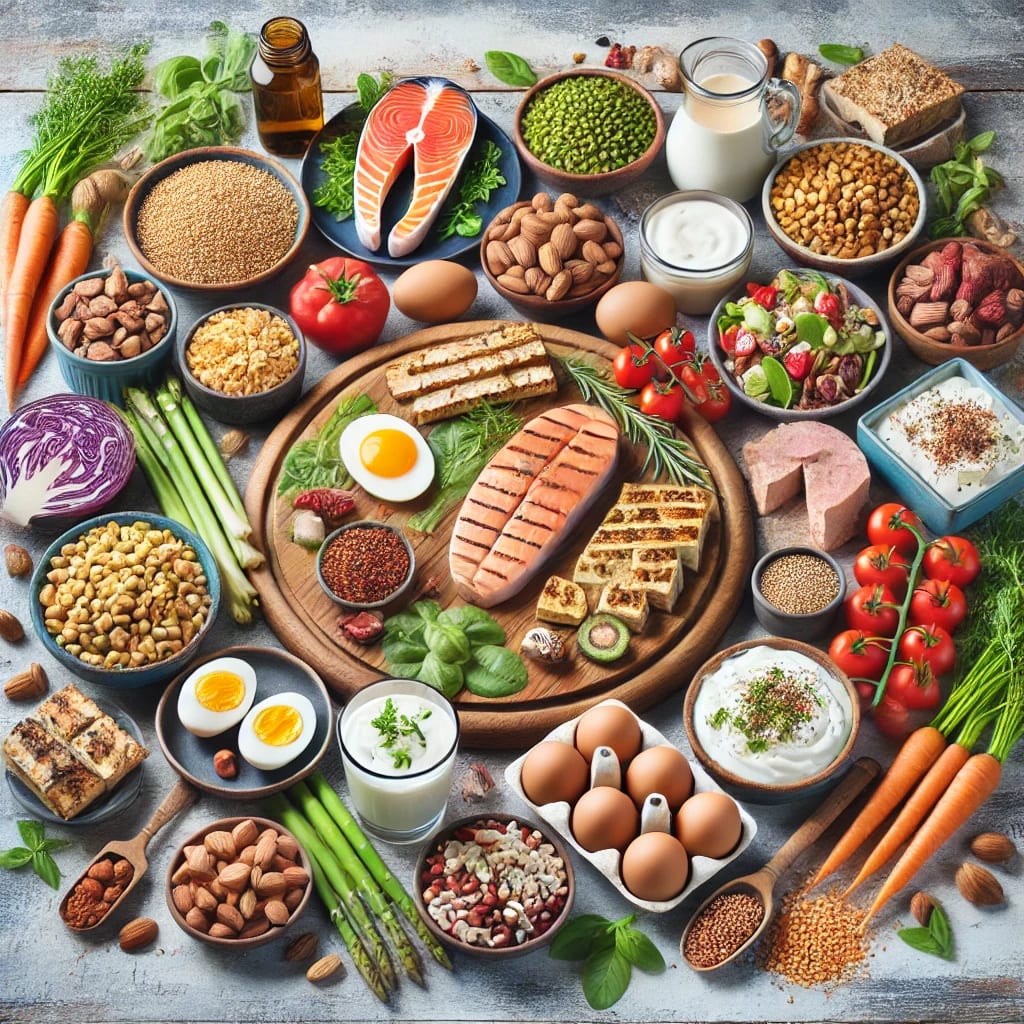
All proteins aren’t created equal. To get the most bang for your buck, focus on these high-quality sources:
Animal-Based Proteins
Chicken and Turkey: Lean, versatile, and perfect for meal prep.
Fish: Salmon, tuna, and mackerel are rich in omega-3s for extra heart health benefits.
Eggs: Nature’s multivitamin—packed with protein and healthy fats.
Greek Yogurt: A creamy, protein-packed snack with gut-friendly probiotics.
Plant-Based Proteins
Legumes: Lentils, chickpeas, and black beans offer protein and fiber.
Tofu and Tempeh: Great for stir-fries and salads.
Quinoa: A complete protein that’s gluten-free and easy to cook.
Nuts and Seeds: Almonds, chia seeds, and hemp seeds are great for snacking or topping your meals.
Pro tip: Combine different plant-based proteins to ensure you’re getting all nine essential amino acids.
How to Incorporate Protein into Every Meal
It’s not just about eating more protein—it’s about spreading it throughout your day. Here’s how to structure your meals:
Breakfast
Whip up a veggie-loaded omelet with cheese or a Greek yogurt parfait with granola and berries.
Short on time? A protein smoothie with whey or plant-based powder is quick and filling.
Lunch
Try a chicken or tofu salad loaded with colorful veggies.
Wrap lean deli meat in a whole-grain tortilla with avocado and spinach.
Dinner
Opt for baked salmon with quinoa and steamed broccoli.
Make a hearty turkey chili or stir-fried tempeh with brown rice.
Snacks
Hard-boiled eggs, a handful of nuts, or a protein bar can keep you satisfied between meals.
The Role of Protein Timing
When you eat your protein matters too. Research suggests that spreading your intake evenly across meals improves muscle synthesis and keeps hunger at bay.
Morning Boost: Kickstart your metabolism with a protein-packed breakfast.
Post-Workout Refuel: Help muscles recover by eating protein within 30–60 minutes after exercise.
Evening Balance: Include protein at dinner to curb late-night snacking.
Common Pitfalls to Avoid
While protein is a rockstar nutrient, there are a few traps to steer clear of:
Overdoing It on Processed Protein: Protein bars and shakes are convenient but can be loaded with sugar and artificial additives. Opt for whole-food options whenever possible.
Neglecting Other Nutrients: Don’t forget to balance your plate with veggies, healthy fats, and complex carbs.
Skipping Hydration: Protein metabolism generates waste products, so drink plenty of water to keep your kidneys happy.
Why Protein Supports Sustainable Weight Loss
Quick fixes and crash diets rarely lead to lasting results. Protein, on the other hand, supports sustainable weight loss by:
Helping you build a healthier relationship with food.
Making it easier to stick to your calorie goals.
Supporting long-term muscle maintenance and metabolism.
It’s not about restriction—it’s about balance and nourishment.
A Subtle Way to Maximize Your Protein Goals
If you’re ready to take your weight loss journey to the next level, check out this resource for expert-backed tools to optimize your protein intake. Whether you’re looking for meal plans, supplements, or actionable tips, this guide can help you stay on track and see results.
Final Thoughts
Protein is more than just a trendy buzzword—it’s your secret weapon for sustainable weight loss. By understanding your needs, choosing the right sources, and integrating it strategically into your meals, you’ll not only shed pounds but also feel stronger, more energized, and ready to tackle life with confidence.
So, what are you waiting for? Make protein your priority and start seeing the difference today.
FAQs
1. Can you eat too much protein?
Yes, excessive protein can strain your kidneys and lead to digestive issues. Stick to recommended levels for your weight and activity level.
2. What’s the best time of day to eat protein?
Anytime! But spreading it across meals and snacks ensures steady energy and muscle support.
3. Do vegetarians get enough protein?
Absolutely! By combining plant-based sources like beans, tofu, and quinoa, vegetarians can easily meet their protein needs.
4. Is whey protein necessary for weight loss?
Not at all. While it’s convenient, whole food sources like eggs, chicken, and lentils work just as well.
5. Can protein help with belly fat?
While no food targets fat in one area, a high-protein diet can reduce overall body fat, including stubborn belly fat.
Please don’t forget to leave a review.
About the Creator
Charles Funk
"💪 Sharing expert tips on fitness and weight loss to help you reach your goals! 🥗 For more recommendations and tips, check out my articles or visit 👉 bit.ly/AFM-Links 🚶♀️🔥 #FitnessJourney #WeightLossSuccess"
Keep reading
More stories from Charles Funk and writers in Longevity and other communities.
10 Protein-Packed Recipes That Will Supercharge Your Weight Loss Journey in 2025
Disclaimer: This article was generated using AI assistance and may contain affiliate links. If you purchase through these links, we may earn a commission at no extra cost to you. This helps us create more helpful content for you.
By Charles Funkabout a year ago in Longevity
Why Malnutrition Is a Hidden Problem in the Elderly
When people think about malnutrition, they often imagine individuals who are underweight or living with severe food shortages. However, malnutrition can also affect older adults—even those who appear to be eating regularly.
By Being Inquisitive4 days ago in Longevity
A System That Isn’t Working Challenge Winners
Systems promise order. They organize behavior, distribute opportunity, and suggest that if everyone follows the rules, things will work. The entries in A System That Isn’t Working look closely at what happens when that promise begins to slip.
By Vocal Curation Team4 days ago in Resources



Comments (1)
Thank you so much for being transparent about using AI 😊