
Popcorn Lung: The Price Jack Paid for a Cloud of Vapor
A True Story of How a Teen’s Secret Habit Led to an Incurable Lung Disease

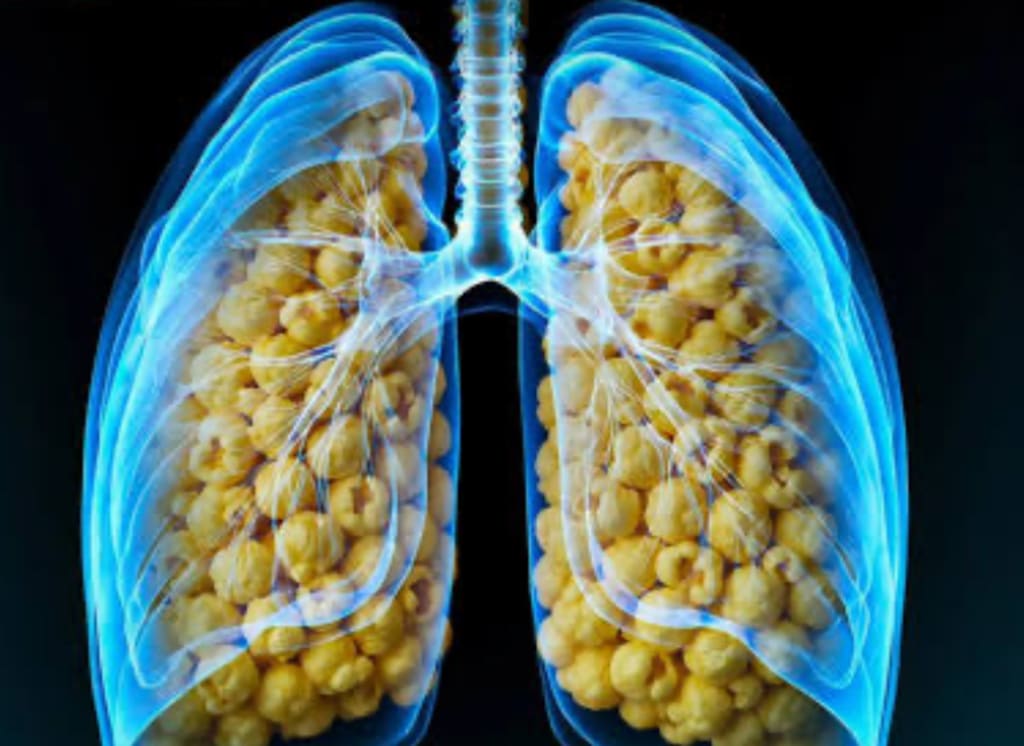
For three long years, 17-year-old Jack kept a secret hidden behind clouds of sweet-smelling vapor. Since the age of 14, he had been vaping—quietly, regularly, and without his parents knowing. The tiny bottles of liquid, flavored like vanilla, caramel, strawberry, and even popcorn, felt harmless. The advertisements promised “just vapor, no smoke.” To Jack, vaping was modern, clean, and safe. But inside his lungs, a silent fire was burning.
The Subtle Beginning of a Storm
It started innocently. Jack began coughing a little during football practice. His mother thought he had caught a cold and told him to rest. Weeks passed, but the cough grew deeper, rougher, and more persistent. Then came the wheezing—tiny whistling sounds that made breathing feel like pushing air through a straw.
Still, Jack said nothing. He was afraid that if he told the truth, his parents would take away his vape. So he ignored the warning signs, thinking it was just a passing irritation.
One day at school, he suddenly collapsed during gym class. Gasping for air, he felt his chest tighten like a vice. Teachers rushed him to the hospital. There, doctors took an X-ray and found something alarming: his small airways were severely inflamed and scarred. The diagnosis shocked everyone—Bronchiolitis Obliterans, better known as Popcorn Lung.
Why “Popcorn Lung”?
The name sounds almost funny—until you learn where it comes from. “Popcorn Lung” was first discovered in factory workers who inhaled artificial butter flavoring while making microwave popcorn. The chemical responsible, diacetyl, creates a rich, buttery aroma. But when inhaled, it can permanently damage the lungs’ smallest airways, causing inflammation, scarring, and obstruction.
What’s terrifying is that diacetyl is still found in many e-liquid flavors used in vapes—especially those with buttery, creamy, or sweet aromas. Even products labeled “diacetyl-free” have been found to contain traces of the chemical. Over time, every puff delivers microscopic toxins deep into the lungs, slowly destroying their ability to function.
There is no cure for Popcorn Lung. The scarring it causes cannot be reversed. Treatments only aim to slow down the damage and relieve symptoms—but the lungs never return to normal.
Fighting for Every Breath
Jack spent weeks in the hospital, connected to an oxygen machine. He struggled to breathe, even while resting. His doctor explained that his lungs had suffered irreversible harm:
“They’re like burnt leaves—fragile, scarred, and unable to heal.”
His mother sat beside his bed, holding the vape device she had found in his backpack. Tears streamed down her face as she whispered,
“They said it was safe… they said it was just vapor.”
But it wasn’t vapor. It was a cocktail of nicotine, heavy metals, ultrafine particles, and toxic chemicals—each puff a quiet step toward suffocation.
The Lesson Hidden in the Mist
Jack now breathes with the help of therapy and medical devices. He can no longer run, and even climbing stairs leaves him exhausted. When asked what he would tell other teens, his answer was simple:
“Don’t believe the ads. Vaping isn’t safer—it’s worse.”
The truth is, vaping has become a global epidemic disguised in bright colors and sweet scents. It lures teenagers with flavors like cotton candy and mango, but hides an invisible danger inside every breath. The long-term damage is still unfolding—but cases like Jack’s are living proof of how devastating it can be.
A Warning Worth Breathing In
“Popcorn Lung” might sound like a harmless name, but it’s a deadly reminder that not all modern habits are safe. Jack’s story is not unique; dozens of young people worldwide have faced similar diagnoses after years of vaping.
The message is clear and urgent:
No flavor, no trend, and no cloud of vapor is worth the price of your lungs.
Every inhale might feel light—but each one can leave a permanent scar.
And once you lose your breath, nothing else truly matters.
About the Creator
Faeze Gholami
“Registered nurse and vocal educator — sharing medical insights with clarity, compassion, and care.”
Keep reading
More stories from Faeze Gholami and writers in Longevity and other communities.
When Pain Turns Inward: The Silent Crisis of Untreated Mental Illness
She was thirty-three years old — educated, quiet, and seemingly composed. But beneath her calm exterior, a war was raging. For months, she had been battling intrusive thoughts and deep emotional pain. Though she was under the supervision of a psychologist, she rarely followed the treatment plan and often refused to take her prescribed medications. Her family assumed she was fine. But she wasn’t.
By Faeze Gholami5 months ago in Longevity
Beyond Exhaustion: What Happens to Your Body and Brain After 72 Hours Without Sleep?
We've all experienced the grogginess of a poor night's sleep or the heavy eyelids that follow an all-nighter. But what happens when you push the human body to its absolute limits? Staying awake for 72 hours—three full days and nights—is a severe shock to your system. It shifts from a simple matter of feeling tired to a profound physical and psychological crisis. Here is a chronological breakdown of what happens to your mind and body when you stop sleeping.
By The Glitch Archive6 days ago in Longevity
How to Whiten Teeth Naturally: What Actually Works (and What to Avoid)
A bright smile has always been associated with confidence. Whether you’re leading a boardroom meeting or just laughing at a joke with friends, your teeth are the first thing people notice. But over time, your teeth start losing their natural brightness. The daily cup of chai or coffee, colourful Indian spices, smoking, or simply aging can slowly leave behind stains. How to whiten teeth naturally? In many Indian houses, home remedies, or ‘Nuskhas‘, are passed down like heirlooms. You may hear, ‘Hey, try brushing with baking soda’ or ‘rub a lemon on your teeth.’ Social media is full of such “natural whitening hacks”, promising quick results without a visit to the dentist. So, do these remedies actually work? And more importantly, are they safe for your teeth?
By Good health to everyone5 days ago in Longevity
The First Rainbow Baby
Pitter-patter, pitter-patter. The rain fell in rhythmic splatters, slowly slowing, but still constant. Mira rolled onto her side pulling the blanket tight against her ears, but still she could hear chitter-chatter and scurrying feet of the creatures that refused to sleep in the lower decks.
By A. J. Schoenfeld2 days ago in Fiction


Comments
There are no comments for this story
Be the first to respond and start the conversation.