
Padel Tennis Rules
A Complete Guide to Mastering the Game
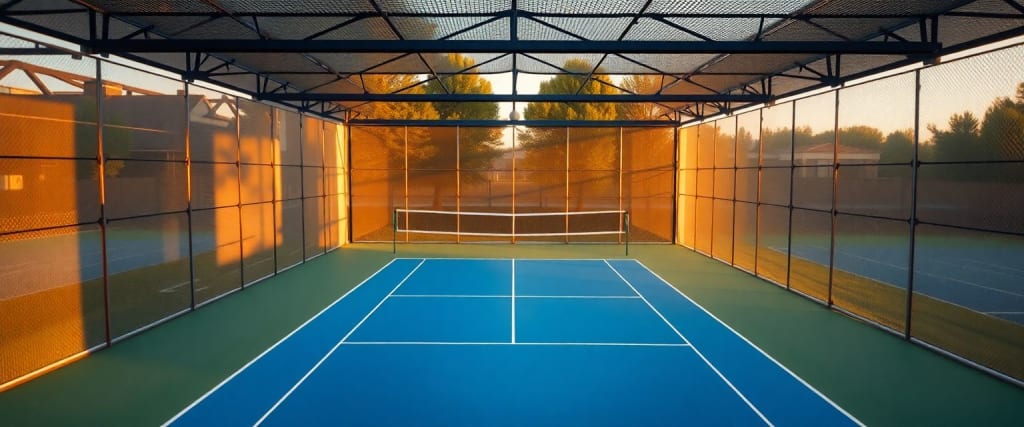
Padel tennis, often simply called padel, is a thrilling racquet sport that combines elements of tennis and squash. Played on an enclosed court with walls, padel is known for its fast-paced rallies and strategic gameplay.
(NOTE: Want to start playing padel but dont know what Padel Racket to buy? This is by far one of the best Padel Racket out there for the best price.)
Whether you're a beginner or an experienced player, understanding the padel tennis rules is essential to enjoying the game and playing it correctly.
In this comprehensive guide, we’ll break down everything you need to know about padel tennis rules, from scoring to serving, and provide tips to help you dominate the court.
What is Padel Tennis?
Padel tennis is a racquet sport played on a court that is 20 meters long and 10 meters wide, enclosed by walls.
The game is typically played in doubles, although singles is also an option.
Players use solid paddles to hit a perforated ball over a net, and the walls are used to keep the ball in play, adding a unique and dynamic element to the game.
Basic Padel Tennis Rules
1. Court Dimensions and Setup
- Length: 20 meters (65.62 feet)
- Width: 10 meters (32.81 feet)
- Walls: The court is enclosed by walls, with the back walls being 3 meters high and the side walls tapering from 4 meters at the ends to 3 meters at the net.
- Net Height: 0.88 meters (2.89 feet) at the center and 0.92 meters (3.02 feet) at the ends.
2. Scoring System
Padel uses the same scoring system as tennis:
Points: 15, 30, 40, and game.
Deuce: If both teams reach 40, the next point wins the advantage. Winning the next point wins the game.
Sets: Matches are typically played as best of three sets. Each set is won by the first team to reach 6 games, with a margin of 2 games.
Tiebreak: If the set reaches 6-6, a tiebreak is played to 7 points, with a margin of 2 points.
3. Serving Rules
The serve must be underhand, with the paddle below the waist.
The server must bounce the ball behind the baseline and hit it diagonally into the opponent’s service box.
The serve must clear the net and land within the service box. If it hits the wall before bouncing, it’s a fault.
Each player gets two serve attempts. If both serves are faults, the point is lost.
4. Playing the Ball
The ball can be played off the walls, but it must bounce on the ground before hitting the wall.
Players can volley the ball (hit it in the air) except when serving or returning serve.
The ball can only bounce once on the ground before being returned.
5. Walls and Fences
The walls are in play, and players can use them to keep the ball in play.
If the ball hits the fence above the walls, it’s out of play.
Advanced Padel Tennis Rules and Strategies
Once you’ve mastered the basics, you can start incorporating advanced strategies and rules into your gameplay.
1. Serving Strategies
Aim for deep serves to push your opponent back and limit their options.
Mix up your serves (short, long, or angled) to keep your opponent guessing.
2. Wall Play
Use the walls to create difficult angles and keep your opponents on the move.
Practice hitting the ball off the walls to set up winning shots.
3. Positioning
Stay close to the net to control the rally and put pressure on your opponents.
Communicate with your partner to cover the court effectively.
4. Lobbing
A well-placed lob can push your opponents back and give you time to reposition.
Use lobs to break up the rhythm of the rally and create opportunities for winning shots.
Common Padel Tennis Terms to Know
- Ace: A serve that the opponent cannot return.
- Deuce: When both teams reach 40 points, requiring a two-point advantage to win the game.
- Lob: A high, deep shot aimed at pushing the opponent back.
- Smash: A powerful overhead shot used to finish the point.
- Vibora: A shot that combines a smash with a slice, creating a difficult angle for the opponent.
Tips for Beginners
Practice Your Serve: A consistent serve is the foundation of a good game.
Use the Walls: Learn to use the walls to keep the ball in play and create difficult angles.
Communicate in Doubles: Talk to your partner about who will take shots, especially in the middle of the court.
Focus on Placement: Aim for your opponent’s weak spots rather than hitting the ball hard.
Have Fun: Padel is a social sport, so enjoy the game and the camaraderie!
Frequently Asked Questions (FAQs)
1. Can you volley in padel tennis?
Yes, you can volley the ball (hit it in the air) except when serving or returning serve.
2. What happens if the ball hits the wall before bouncing?
If the ball hits the wall before bouncing on the ground, it’s considered out of play.
3. How do you keep score in padel tennis?
Padel uses the same scoring system as tennis: 15, 30, 40, and game. Matches are typically best of three sets.
4. Can you play padel tennis singles?
Yes, padel can be played in singles, although doubles is more common.
5. What’s the best way to improve at padel tennis?
Practice regularly, watch experienced players, and focus on mastering the basics before moving on to advanced strategies.
Conclusion
Understanding the padel tennis rules is the first step to becoming a confident and skilled player.
Whether you’re playing for fun or competing in tournaments, knowing the ins and outs of the game will enhance your experience and help you perform at your best.
From serving and scoring to advanced strategies like wall play and lobbing, padel tennis offers endless opportunities for growth and enjoyment.
So grab your paddle, hit the court, and start putting these rules into practice. With a little dedication and a lot of fun, you’ll be mastering the game of padel tennis in no time!
About the Creator
Arctic Plunge Gear
I’m passionate about cold therapy and wellness. Explore more at https://arcticplungegear.com/
Keep reading
More stories from Arctic Plunge Gear and writers in Longevity and other communities.
Padel Court
Padel, a fast-growing racquet sport that combines elements of tennis and squash, is gaining popularity worldwide. One of the key aspects of the game is the padel court, which has unique dimensions and features that set it apart from other racquet sports.
By Arctic Plunge Gear11 months ago in Longevity
Why You Seniors Love Chocolate: The 10 Essential Points
Dear senior friend, There is something deeply comforting about dark chocolate. It carries memories, warmth, and a sense of quiet pleasure. At this stage of life, small rituals matter more than ever. A simple square of good-quality dark chocolate can become one of those daily moments that feel both indulgent and intentional.
By Bubble Chill Media about 10 hours ago in Longevity
No Word Comes Near Enough
The English language has its limits. I learned this when I became a student of the Bible and looked up the Greek and Hebrew definitions behind the Scriptures I loved. Some languages have so much more depth and power than the one I use to convey my thoughts. But, even so, I don't think any word could ever come close to describing this void and pain I am journeying through. I don't know how to swim through its murky waters.
By Shirley Belk6 days ago in Poets



Comments
There are no comments for this story
Be the first to respond and start the conversation.