
Overcoming Insomnia: Tips for Better Sleep
In today's busy world, many of us can't sleep well at night. Insomnia makes it hard to fall or stay asleep.
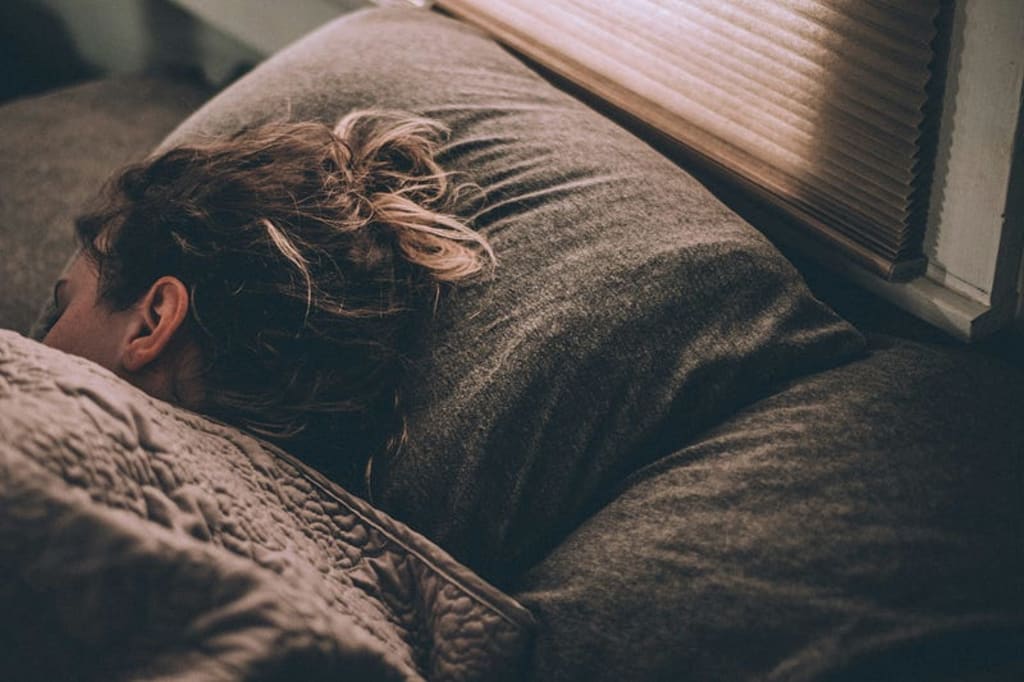
It hurts our body, mind, and feelings. But, finding good sleep is possible with the right help.
This guide will show you how to beat insomnia. You'll learn how to sleep well again. It's about making your mind, body, and soul strong.
Key Takeaways
- Understand the different types of insomnia and their underlying causes.
- Discover the consequences of sleep deprivation and its impact on your overall health.
- Learn how to create a sleep-friendly environment and develop healthy sleep habits.
- Explore the benefits of relaxation techniques, cognitive behavioral therapy, and the role of melatonin in promoting better sleep.
- Gain insights into common sleep disorders and their effective treatments.
Understanding Insomnia
Insomnia is a sleep problem that many people face. It makes it hard to sleep, stay asleep, or sleep well. This leads to feeling tired during the day and not thinking clearly.
What is Insomnia?
Insomnia makes it hard to fall asleep, stay asleep, or wake up too early. It can be short-term or last a long time. It messes with our body's sleep clock.
Types of Insomnia
There are different kinds of insomnia:
Acute insomnia: This is short-term sleep trouble caused by stress or changes in sleep habits.
Chronic insomnia: This is ongoing sleep trouble that lasts over three months and affects daily life.
Comorbid insomnia: This is when insomnia happens with another health issue, like depression or chronic pain.
Knowing the type of insomnia helps find the right treatment. It helps improve sleep quality.
"Insomnia is not just a problem of not sleeping. It's a problem of not sleeping well, of not feeling rested." - Wilfred Pigeon, Ph.D.
Causes of Insomnia
Insomnia is when you can't sleep well. Many things can cause it. Knowing what causes it helps fix the problem.
Stress and Anxiety are big reasons. They make your mind race and keep you awake. Medication Side Effects can also mess with your sleep. Some drugs keep you feeling awake.
Some health issues like chronic pain or asthma can also cause insomnia. These conditions make it hard to sleep well.
Other things that might make you sleep poorly include:
- Irregular Sleep Schedules
- Caffeine, Alcohol, and Nicotine Consumption
- Environmental Factors like Noise, Light, and Temperature
Disrupted Circadian Rhythms
Knowing what causes insomnia helps you fix it. This can make you sleep better and feel better overall.
Consequences of Sleep Deprivation
Not getting enough sleep can really hurt our health. It can make us feel bad in many ways. We need to understand how important sleep is for our well-being.
Not sleeping enough can make our immune system weak. This means we might get sick more often. It can also lead to serious health problems like heart disease, diabetes, and obesity.
It can mess with our body's hormones too. This can cause us to gain weight and have trouble staying at a healthy weight.
Mental and Emotional Effects
Our brains work worse when we don't sleep well. We might forget things, have trouble focusing, and not be as productive. Our mental health can also get worse, making us more likely to feel anxious or sad.
"Chronic sleep deprivation can have detrimental effects on both physical and mental health, leading to a range of negative consequences that can significantly impact an individual's overall well-being."
It's important to know how sleep deprivation affects our health. Getting enough sleep is key to staying healthy. By making sleep a priority, we can avoid the bad effects and feel good.
Establishing a Sleep-Friendly Environment
Creating a comfy and calm sleep area is key for good sleep. Your bedroom setup and sleep habits affect how well you sleep. Let's look at important things to think about for a sleep-friendly space.
Bedroom Setup
Your bedroom setup is very important for your sleep. Make sure it's dark, cool, and quiet. Use blackout curtains or blinds to keep out light. Think about getting a white noise machine or earplugs to block out sounds.
Your mattress and bedding matter too. Pick a mattress that feels good and supports you. Choose soft sheets and a warm blanket to make sleeping better.
Add calm things to your bedroom like calming colors, soft lights, and plants. These make your room peaceful and help you sleep better.
Make your bedroom a place just for sleep. Keep it free from things that can wake you up or keep you awake.
Developing Healthy Sleep Habits
Getting good sleep is not just about how long you sleep. It's also about your sleep habits. Healthy sleep habits can greatly improve your sleep quality. They help keep your body's natural sleep cycle in check.
Sleep Hygiene Practices
To get better sleep, try these tips:
- Stick to a regular sleep schedule: Sleep and wake up at the same time every day, even on weekends. This helps your body clock stay on track.
- Make your bedroom sleep-friendly: Keep it cool, dark, and quiet for better sleep.
- Limit screen time before bed: Screens can mess with your sleep by making it hard to fall asleep.
- Do relaxing things before bed: Reading, taking a warm bath, or gentle stretching can help signal bedtime.
- Avoid caffeine, nicotine, and alcohol before bed: These can make it tough to sleep well.
Adding these sleep hygiene tips to your daily life can help you sleep better. It supports your body's natural circadian rhythm. This leads to better rest and health.
Relaxation Techniques for Better Sleep
Getting a good night's sleep is key for our health and happiness. But, many find it hard to sleep well. Luckily, there are ways to help you sleep better and feel less stressed.
- Meditation is a great way to relax before bed. It calms your mind and helps you forget worries. This makes it easier to fall asleep and stay asleep.
- Deep breathing is another good technique. It makes your body relax and slows down your heart. This helps you get ready for sleep.
- Yoga is also good for bedtime. It helps relax your muscles and calm your mind. This leads to better sleep.
"Relaxation is not just a luxury; it's a necessity for our overall health and well-being."
Using these relaxation techniques, stress reduction methods, and meditation can help you sleep better. They give your body the rest it needs for a good night's sleep.
Cognitive Behavioral Therapy for Insomnia
For people with ongoing sleep problems, cognitive behavioral therapy for insomnia (CBT-I) is a great help. It's different from sleep pills because it looks at the mind and actions that cause sleep issues.
How CBT-I Works
CBT-I says our thoughts and actions can really change how well we sleep. In therapy, you work with a professional to spot and fight bad thoughts and sleep habits that keep you awake.
CBT-I mixes thinking and doing to help you find better ways to cope. It also helps you make a bedtime routine that's good for sleep. Key parts of CBT-I are:
- Cognitive Restructuring: Changing bad thoughts about sleep, like thinking it's a disaster.
- Stimulus Control: Making your bed and bedroom a place for sleep, not staying awake.
- Sleep Restriction: Sleeping only as long as you actually sleep, to make sleep better.
- Relaxation Techniques: Using things like guided imagery or deep breathing to help you sleep.
CBT-I looks at the mind and actions that cause sleep problems. It's very good at helping people with long-term sleep issues.
"CBT-I is the top choice for chronic insomnia, with long-lasting benefits that might be better than sleep pills." - Dr. Sarah Chellappa, sleep expert
The Role of Melatonin in Sleep
Melatonin is a hormone made by our bodies. It helps control our sleep and wake times. It's key for getting good sleep.
When the sun goes down, our melatonin levels go up. This tells our brain it's time to sleep. When the sun comes up, our melatonin goes down. This makes us feel awake.
But, some things can mess with our melatonin levels. Being around artificial light, like from phones and computers, can lower melatonin. Also, as we get older, we make less melatonin. This can make sleeping hard for older people.
"Melatonin supplements can help reset the body's sleep-wake cycle, making it easier to fall asleep and stay asleep throughout the night," explains Dr. Sarah Johansen, a sleep specialist.
Knowing how melatonin helps us sleep can help us sleep better. We can support our sleep by taking care of our melatonin.
Sleep Disorders and Their Treatment
Insomnia is just one sleep issue that can affect us. Sleep apnea and restless leg syndrome are two others. They can make insomnia worse. It's important to know about these and how to treat them for better sleep and health.
Sleep Apnea
Sleep apnea means you stop breathing while you sleep. This happens when your airway gets blocked. You might snore loudly, feel tired all day, and have trouble focusing.
Doctors might suggest a CPAP machine to help. This machine keeps your airway open. Sometimes, surgery is needed to fix any blockages.
Restless Leg Syndrome
Restless leg syndrome (RLS) makes you want to move your legs a lot. You might feel like they're crawling or tingling. This can make it hard to sleep and might lead to insomnia.
Doctors might give you medicine or suggest changing your lifestyle. They'll look for other health issues that might be causing it.
"Addressing sleep disorders like sleep apnea and restless leg syndrome is crucial for improving overall sleep quality and daytime functioning."
Learning about and treating these sleep problems can really help you sleep better. It's key to talk to a doctor to find the right treatment for you.
Insomnia and Circadian Rhythm
The human body has an internal clock that helps us sleep and wake up. This clock is called the circadian rhythm. If this clock gets mixed up, it can cause insomnia. Knowing how insomnia and the circadian rhythm are linked is important for better sleep.
The circadian rhythm is like a 24-hour clock inside us. It controls things like when we feel sleepy or awake. Things like jet lag or being awake at night can mess with this clock. This makes it hard to sleep well.
People with insomnia often have trouble with their sleep schedule. They might find it hard to fall asleep or stay asleep. They might wake up a lot during the night.
- Keeping a regular sleep schedule, even on weekends
- Being in bright light during the day and not at night
- Doing regular exercise, but not right before bed
- Having a calm bedtime routine to tell your body it's time to sleep
By understanding how insomnia and the circadian rhythm are connected, we can fix our internal clock. This leads to better sleep.
Conclusion
This guide has shown how to beat insomnia and get good sleep again. It tells us why we can't sleep well, what happens when we don't sleep, and how to fix it. Now, readers can improve their sleep and feel better overall.
To fight insomnia, make your bedroom sleep-friendly. Start good sleep habits and try different ways to relax. This article gave you tips to make a plan for better sleep.
Getting over insomnia is a journey, but it's worth it. Focus on good sleep habits, relax more, and get help if you need it. This can lead to better health in body, mind, and heart. Use the tips here to get the restful sleep you need.
FAQ
What is insomnia?
Insomnia is when you have trouble sleeping. You might find it hard to fall asleep or stay asleep. You might wake up too early and can't go back to sleep.
What are the common causes of insomnia?
Many things can cause insomnia. Stress and anxiety are common causes. So are some medicines and health problems. Disruptions in your sleep cycle can also cause it.
What are the consequences of sleep deprivation?
Not sleeping enough can hurt your body and mind. It can weaken your immune system and increase the risk of diseases. It can also make you less sharp, upset your mood, and make you less productive.
How can I create a sleep-friendly environment?
Make your bedroom sleep-friendly. Think about the lighting, temperature, noise, and your bed. These things can help you sleep better.
What are some healthy sleep habits I can develop?
To sleep better, keep a regular sleep schedule. Don't use screens before bed. Doing relaxing things before sleep can also help.
How can relaxation techniques help with better sleep?
Relaxing can make it easier to sleep. Try meditation, deep breathing, or yoga. These can calm your mind and help you sleep better.
What is cognitive behavioral therapy for insomnia (CBT-I)?
CBT-I is a way to treat insomnia. It helps change negative thoughts and behaviors that keep you awake. It teaches better sleep habits.
How does melatonin affect sleep?
Melatonin is a hormone that helps you sleep. Taking melatonin can help people with insomnia. It can help your body's sleep cycle.
What are some common sleep disorders and how can they be treated?
Sleep apnea and restless leg syndrome are common sleep issues. They can be treated with CPAP machines for sleep apnea. For restless leg syndrome, there are medicines and lifestyle changes that can help.
How does insomnia affect the body's circadian rhythm?
Insomnia can mess with your body's internal clock. This affects when you feel tired and awake. Keeping a regular sleep schedule and managing light can help fix this.
About the Creator
Why Our Minds Overthink at Night
Have you ever noticed how your mind suddenly becomes extremely active at night? You lie down to sleep, but instead of resting, your brain starts replaying conversations, worrying about the future, or analyzing things that happened earlier in the day.
By Being Inquisitiveabout 22 hours ago in Longevity
What Happens to Your Blood Sugar When You Skip Breakfast
Skipping breakfast may affect blood sugar regulation, especially in people with metabolic conditions. Some people experience higher glucose spikes and increased hunger later in the day. Meal timing that aligns with your natural rhythms may support steadier energy and metabolism.
By Good health to everyone5 days ago in Longevity
📢 Raise Your Voice Thread: 03/05/2026
Our “Raise Your Voice Threads” are hosted most alternating Thursdays at 12PM ET to offer creators more avenues to uncover exceptional stories on Vocal. As we are continuously searching for fresh creators and inspiring stories, this thread provides an opportunity to exchange and discuss the stories that have moved and motivated us on Vocal.
By Raise Your Voice by Vocal5 days ago in Resources




Comments
There are no comments for this story
Be the first to respond and start the conversation.