
Nutrition for Female Athletes: Fueling Performance, Strength, and Long-Term Health
How smart nutrition helps women train stronger, recover faster, and stay healthy

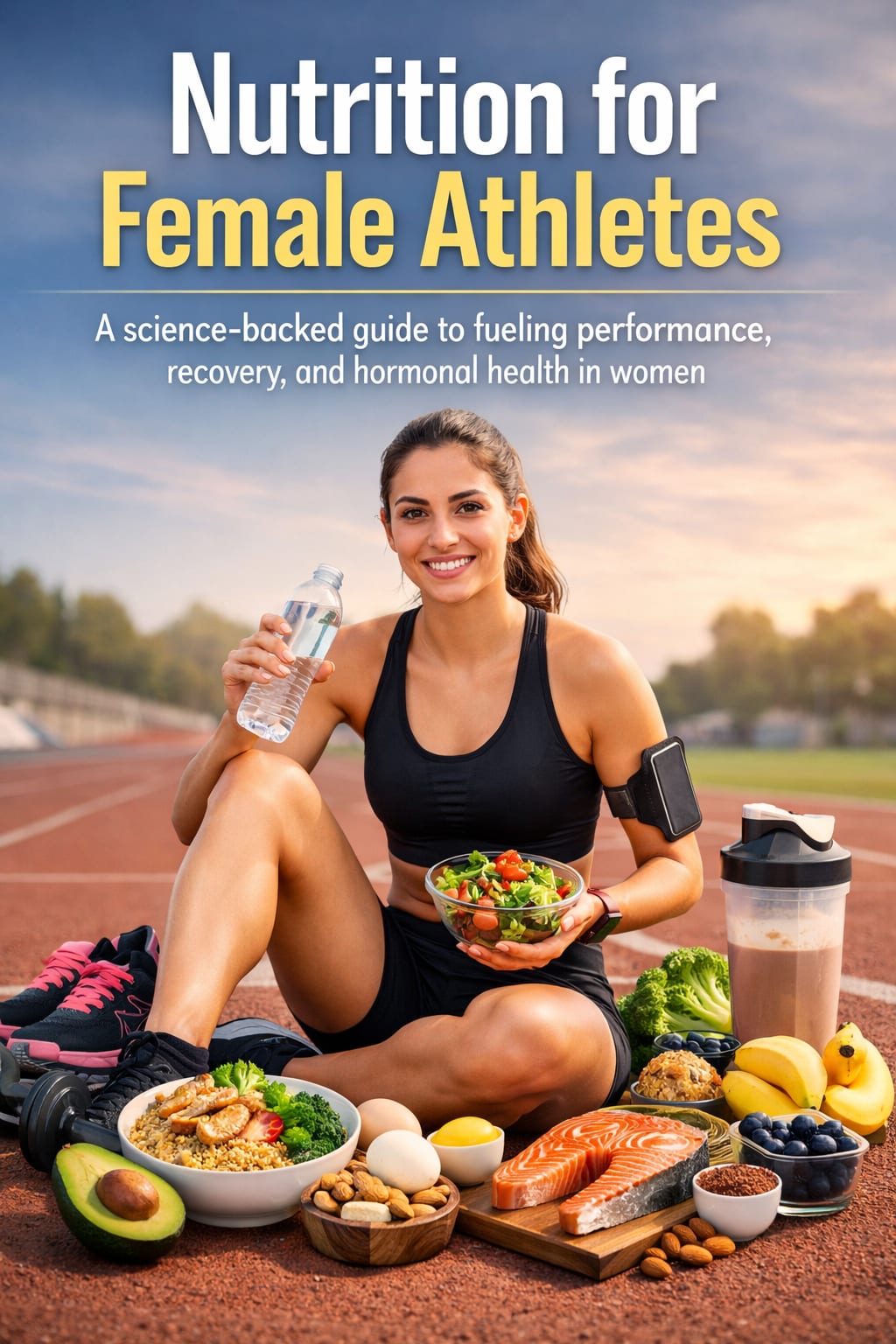
Female athletes place extraordinary demands on their bodies. Whether competing professionally, training at the collegiate level, or pursuing fitness as a serious lifestyle, women require nutrition strategies that support performance, recovery, hormonal balance, and overall well-being. Nutrition for female athletes is not simply about eating “healthy”; it is about fueling the body with the right nutrients, at the right time, in the right amounts.
Biological differences such as hormonal fluctuations, body composition, iron needs, and bone health make female athletic nutrition unique. Understanding these factors helps women train harder, recover faster, and reduce the risk of injury and burnout.
Why Nutrition Matters More for Female Athletes
Training stress combined with inadequate nutrition can lead to fatigue, decreased performance, hormonal imbalance, and long-term health issues. Female athletes are particularly vulnerable to energy deficiency, which can disrupt menstrual cycles, weaken bones, and impair immune function.
Proper nutrition supports:
- Sustained energy during training and competition
- Muscle repair and growth
- Hormonal health and menstrual regularity
- Strong bones and injury prevention
- Mental focus and emotional resilience
Nutrition for female athletes is both a performance tool and a health safeguard.
Energy Needs and Caloric Balance
Female athletes often underestimate their energy needs. Restrictive eating patterns, intentional or unintentional, can result in low energy availability. When the body does not receive enough fuel, it begins conserving energy by slowing metabolism and altering hormone production.
Energy requirements vary based on:
- Training intensity and duration
- Type of sport (endurance, strength, mixed)
- Body composition and age
- Phase of the menstrual cycle
Adequate calorie intake is the foundation of effective nutrition for female athletes. Without sufficient energy, even the best nutrient choices cannot fully support performance.
Carbohydrates: The Primary Fuel Source
Carbohydrates are essential for female athletes. They provide the glucose needed for muscle contraction and brain function during exercise. Low carbohydrate intake can lead to early fatigue, poor training quality, and slower recovery.
Complex carbohydrates such as whole grains, fruits, vegetables, and legumes help maintain steady energy levels. Timing carbohydrate intake before and after training enhances endurance and replenishes glycogen stores.
For female athletes, carbohydrates are not the enemy they are a critical performance ally.
Protein for Muscle Repair and Adaptation
Protein supports muscle recovery, adaptation, and immune health. Female athletes often require slightly less total protein than male athletes, but consistency and quality are crucial.
High-quality protein sources include lean meats, fish, eggs, dairy, legumes, nuts, and seeds. Distributing protein intake evenly across meals improves muscle protein synthesis and recovery.
Balanced protein intake is a cornerstone of nutrition for female athletes who want strength gains without unnecessary bulk.
Healthy Fats and Hormonal Balance
Dietary fat plays a vital role in hormone production, brain health, and nutrient absorption. Extremely low-fat diets can disrupt estrogen levels and negatively impact menstrual health.
Healthy fat sources such as olive oil, avocados, nuts, seeds, and fatty fish support:
- Hormonal stability
- Joint health
- Inflammation control
- Long-term energy availability
Including adequate fats ensures that nutrition for female athletes supports both performance and reproductive health.
Micronutrients Female Athletes Must Prioritize
Iron
Iron deficiency is common among female athletes due to menstruation and high training demands. Low iron levels can cause fatigue, reduced endurance, and poor recovery. Including iron-rich foods alongside vitamin C improves absorption.
Calcium and Vitamin D
Bone health is critical for female athletes, especially in high-impact sports. Calcium and vitamin D support bone density and reduce stress fracture risk.
Magnesium and Zinc
These minerals aid muscle function, recovery, and immune health. Intense training increases the need for proper micronutrient intake.
Micronutrient sufficiency is a non-negotiable aspect of nutrition for female athletes.
Hydration and Electrolyte Balance
Hydration affects strength, endurance, coordination, and focus. Female athletes may experience fluid shifts related to hormonal changes, making consistent hydration habits essential.
Water intake should increase with training volume, heat exposure, and sweat rate. Electrolytes such as sodium and potassium help maintain fluid balance and prevent cramping during prolonged activity.
Smart hydration is a silent performance enhancer.
Nutrition Across the Menstrual Cycle
Hormonal fluctuations influence energy levels, strength, appetite, and recovery. Nutrition for female athletes should adapt to these changes rather than fight them.
During the follicular phase, carbohydrate tolerance and training intensity may be higher. In the luteal phase, energy expenditure increases slightly, and cravings may rise. Prioritizing complex carbohydrates, healthy fats, and hydration during this time supports performance and mood stability.
Listening to the body’s signals is a powerful nutritional strategy.
Recovery Nutrition and Injury Prevention
Recovery nutrition helps restore glycogen, repair muscle tissue, and reduce inflammation. Consuming carbohydrates and protein after training accelerates recovery and prepares the body for the next session.
Adequate nutrition also lowers injury risk by:
- Supporting tissue repair
- Maintaining bone strength
- Reducing chronic fatigue
Recovery-focused nutrition for female athletes ensures sustainable progress rather than short-term gains.
Mental Health, Body Image, and Nutrition
Female athletes often face pressure related to body image and weight. Restrictive eating can harm both mental and physical health. A performance-based nutrition mindset shifts focus from appearance to strength, resilience, and capability.
Balanced nutrition supports neurotransmitter production, mood regulation, and cognitive clarity key components of competitive success.
True athletic excellence includes a healthy relationship with food.
Building a Strong Foundation with Nutrition for Female Athletes
Optimal performance begins with intentional nourishment. Nutrition for female athletes is about fueling strength, endurance, recovery, and lifelong health not restriction or perfection. By prioritizing balanced energy intake, quality macronutrients, essential micronutrients, hydration, and cycle-aware eating, female athletes can train confidently and compete at their highest potential.
When nutrition supports the unique needs of the female body, performance becomes sustainable, recovery becomes efficient, and health becomes a lasting advantage. Embracing evidence-based nutrition for female athletes is not just a strategy it is a commitment to strength, resilience, and long-term success.
About the Creator
Core Well Fit
Empowering Your Core To Live Well and Fit 🌿
Your trusted guide to home workouts, nutrition tips, mental wellness, and smart fitness routines.
📍Targeting U.S. lifestyle | 💪 Fitness | 🥗 Diet | 🧠 Wellness
Keep reading
More stories from Core Well Fit and writers in Longevity and other communities.
Flu Symptoms 2026: What to Expect, Early Warning Signs, and How to Stay Protected
As 2026 begins, flu-related searches are rising once again. Many people are reporting that this year’s flu feels stronger, more exhausting, and slower to recover from. While influenza is a familiar seasonal illness, the way symptoms are presenting in 2026 has raised new concerns.
By Core Well Fit28 days ago in Longevity
Day 4 of Quitting
If this is how sobriety feels, maybe it’s better to go through life a little buzzed… this, along with other hits like, I want to kill myself, I wish I was dead, and I’m going to throw myself off a bridge have been the only thoughts on rotation these past few days. I promise myself that if, in a month, I still feel like this (‘this’ meaning despondent, full of rage, and simultaneously numb) I can go back to smoking. Until mid-February though? Nicotine is off the table.
By sleepy drafts11 days ago in Longevity



Comments
There are no comments for this story
Be the first to respond and start the conversation.