
Nineteen Days Without Relief: A Woman’s Wake-Up Call About Ignoring Her Body
One Woman’s Journey Through Pain, Shame, and Finally—Relief

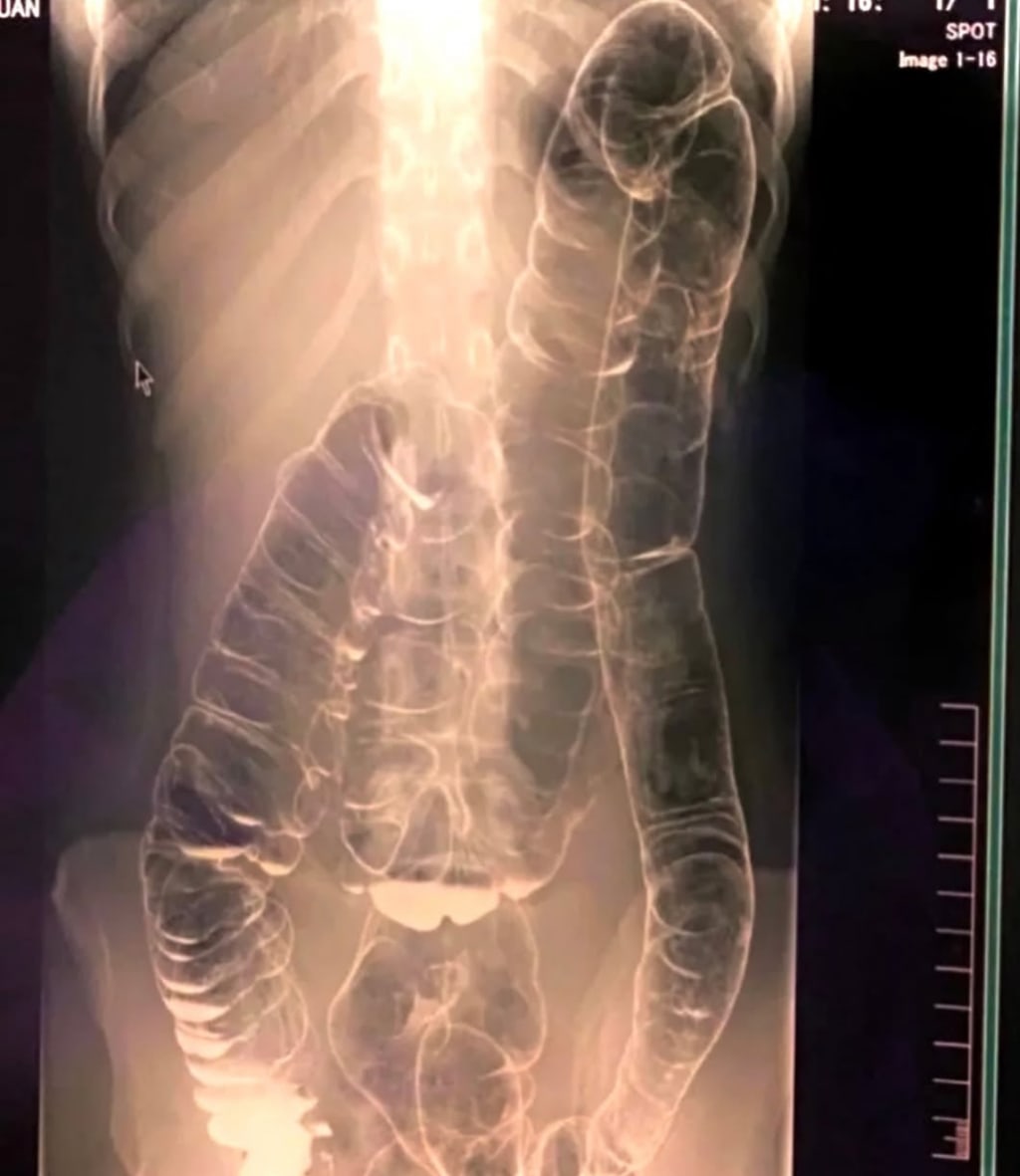
It began as a mild discomfort. Something she brushed off as a side effect of a stressful week and an irregular diet. But nineteen days later, what started as a silent inconvenience had grown into a painful, consuming reality for 36-year-old Lara Thompson, a graphic designer from Portland, Oregon.
“I thought it would pass,” Lara says. “It always did before.”
But this time, it didn’t.
The Silent Creep of Constipation
For many, constipation might seem like a mundane, even trivial issue. A minor inconvenience that’s easily fixed with a fiber bar or some prune juice. But for Lara, this bout became something else entirely—physical discomfort turned into emotional exhaustion, affecting her work, her sleep, and her mental clarity.
The first few days passed with no significant concern. A little bloating, a slight decrease in appetite. “I was working late hours and grabbing whatever food I could—mostly carbs and processed snacks. I didn’t even realize I hadn’t had a proper bowel movement until day four.”
By day seven, her abdomen was distended, and she began experiencing sharp cramps. But she hesitated to seek medical attention. “It felt embarrassing. I kept telling myself it wasn’t serious enough.”
The Hidden Burden
Constipation is one of the most common gastrointestinal complaints in the U.S., affecting an estimated 16 out of every 100 adults. But chronic constipation—defined as infrequent or difficult bowel movements lasting several weeks or longer—is far more than just a digestive nuisance. It can lead to complications such as hemorrhoids, anal fissures, fecal impaction, and a significantly reduced quality of life.
By the tenth day, Lara had stopped eating full meals. “Everything made me feel full or nauseated. I would eat half a banana and feel like I’d just finished Thanksgiving dinner.” She started relying on laxatives, which provided little to no relief.
She felt sluggish and irritable, increasingly withdrawn from social interaction. “I wasn’t just constipated—I was anxious, ashamed, and tired all the time. I didn’t want to talk about it. I didn’t even want to admit how bad it had gotten.”
When Pain Becomes a Wake-Up Call
It wasn’t until day sixteen, when Lara began experiencing waves of nausea and dizzy spells, that she finally walked into an urgent care center. The attending physician took one look at her distended abdomen and ordered an abdominal X-ray.
The diagnosis: severe fecal impaction.
“I was shocked. I didn’t even know that was a thing.” Lara was treated with a combination of enemas, osmotic laxatives, and a carefully monitored hydration regimen. It took three more days—nineteen in total—before she was finally able to pass stool with some relief.
“It felt like I’d survived something invisible but overwhelming,” she says.
The Bigger Picture: Why Constipation Is More Than a Bathroom Problem
Lara’s experience isn’t unique. Many women, in particular, suffer in silence due to societal stigmas around bowel health. Hormonal changes, stress, dehydration, sedentary lifestyles, and poor diet all contribute, but the reluctance to talk about it delays intervention.
“Constipation isn’t glamorous. It’s not something people post about,” Lara notes. “But maybe we should talk about it more—because not talking about it nearly cost me my health.”
According to gastroenterologist Dr. Meredith Chang, this reluctance is common. “We see patients who wait far too long before seeking help, often out of embarrassment. But ignoring chronic constipation can lead to serious health consequences.”
What Lara Learned—and What She Wants Others to Know
Since her recovery, Lara has made several lifestyle changes. She now drinks at least eight glasses of water daily, starts her mornings with a fiber-rich smoothie, and prioritizes physical activity—even a 30-minute walk during lunch breaks. But more importantly, she listens to her body.
“I had to unlearn the habit of ignoring discomfort. Pain is a message, not a weakness.”
She also wants to dismantle the shame surrounding digestive health. “If your body is telling you something, don’t silence it. Talk to your doctor. Talk to your friends. Normalize it. We need to stop pretending that our health stops at the neck.”
Final Thoughts
Lara’s story is a powerful reminder that even the most basic bodily functions can’t be taken for granted. Constipation may not be life-threatening in most cases, but when left unaddressed, it can spiral into something that dominates your physical and emotional well-being.
It’s time to change the narrative—one bowel movement at a time.
About the Creator
Faeze Gholami
“Registered nurse and vocal educator — sharing medical insights with clarity, compassion, and care.”
Keep reading
More stories from Faeze Gholami and writers in Longevity and other communities.
What This Motorcycle Crash Did to His Body Will Shock You — A Brutal Lesson in Seconds
High-speed motorcycle accidents often come with a devastating price — a brutal collection of injuries that affect multiple systems of the body, a phenomenon known as polytrauma. A closer look at a case scan reveals the grim realities: multiple fractures of the rib cage, fractures of the pelvis, and severe spinal injuries where vertebrae are both broken and misaligned. To make matters worse, fractures of the facial bones, including those of the nasal structures, are commonly observed, adding to the extensive trauma profile.
By Faeze Gholami11 months ago in Longevity
🧓 Top 7 Superfoods for the Elderly
As we age, our bodies require more attention to nutrition to maintain strength, immunity, and overall well-being. Older adults are at higher risk of nutrient deficiencies, which can affect energy, bone health, and cognitive function. Choosing nutrient-rich foods—or “superfoods”—can help support healthy aging and improve quality of life.
By Being Inquisitive3 days ago in Longevity
Two People Die After Paid Plasma Donation at Clinics in Canada
Two people have died in Canada after giving plasma at for‑profit donation clinics, prompting a federal probe and renewed debate over donor safety, industry regulation, and the ethics of paid plasma collection. The deaths—described by officials as “fatal adverse reactions”—occurred months apart and involved the same chain of clinics operating under a private model that compensates donors. Health Canada, the federal department responsible for regulating plasma donation centers, confirmed it has received reports of two deaths connected to plasma collection procedures at for‑profit clinics in Winnipeg, Manitoba. The first occurred in October 2025, and the second in January 2026. Both deaths are now the subject of active review by federal inspectors as authorities seek to determine whether the procedures or equipment used contributed to the incidents. Officials have not publicly identified the individuals involved, but friends of one victim told local media she was a 22‑year‑old international student who was donating plasma when she suddenly went into distress and subsequently died. The clinics where the donations took place are operated by the Spanish healthcare company Grifols, which runs approximately 17 paid plasma donation centers nationwide. Grifols has stated it is cooperating with Health Canada’s investigation, and insists it “has no reason to believe there is a correlation” between the deaths and the plasma donation process. How Paid Plasma Donation Works in Canada Plasma—the liquid component of blood—contains proteins essential for manufacturing medicines that treat conditions such as hemophilia, immune deficiencies, and certain neurological disorders. Unlike whole blood, plasma can be donated more frequently because the other components are returned to the donor’s body during the procedure. Until recently, paid plasma donation was illegal in several parts of Canada. However, starting in the early 2020s, Grifols entered into agreements with Canadian Blood Services and provincial health authorities that allow the company to offer financial compensation—typically up to about C$100 per visit—to donors in select provinces including Manitoba and Saskatchewan. The arrangements have expanded as domestic demand for plasma products has grown. Canadian Blood Services notes that local plasma collection still only meets a fraction of the country’s need for these critical medical materials. While voluntary (unpaid) blood and plasma donation remains the standard in provinces such as Quebec and British Columbia, paid plasma centers have opened in others under regulatory exemptions and agreements designed to boost supply. The practice is controversial, with advocates for a voluntary system warning that payments can encourage frequent or risky donation behavior among donors who may be financially vulnerable. Investigation and Safety Concerns Health Canada has dispatched inspectors to the Winnipeg clinics following the reported fatalities. Preliminary information indicates that both incidents occurred during or shortly after individuals underwent the standard plasma donation process, and were categorized by authorities as “fatal adverse reactions,” requiring mandatory reporting to the federal regulator. Regulatory records for the clinics have also drawn scrutiny. Recent inspections in provinces where Grifols operates identified deficiencies including incomplete record‑keeping, lapses in donor screening, and inconsistent maintenance of equipment—issues that raise questions about compliance with the Food and Drugs Act and federal blood regulations. Critics argue that the string of problems, including two deaths, illustrates deeper structural weaknesses in how paid plasma donation is overseen. “When you have a private company operating these clinics, you lose control over much of the industry,” said a blood safety advocate. “Public accountability and transparency should be paramount when people’s lives are literally at stake.” For many Canadians, memories of the tainted blood scandal of the 1980s—when thousands were infected with HIV and hepatitis C through contaminated blood products—still loom large. That crisis led to major reforms and strict safeguards to protect donors and recipients. Some experts fear the renewed reliance on paid, private plasma collection may erode that hard‑won trust in the system. Response Grifols has reaffirmed that it follows stringent screening protocols and that donors undergo health evaluations before each appointment. The company says it has implemented corrective plans to address any non‑compliance identified by inspectors and is focused on preventing future issues. Canadian Blood Services expressed sorrow over the deaths but emphasized that safety remains its highest priority. The national body highlighted that plasma donation, when properly regulated and monitored, is generally considered safe and that serious adverse reactions are rares. Patient advocates and public health groups, however, are calling for greater transparency and stricter oversight. With paid plasma donation still a relatively new phenomenon in Canada, many are urging regulators to release more detailed information on the causes of the deaths and whether systemic changes are needed to protect donors. What Happens Next Health Canada’s investigation could take weeks or months to complete as officials review medical records, equipment logs, and operational procedures at the affected clinics. If regulatory breaches are found to have contributed to the fatalities, authorities could impose penalties, require corrective action plans, or even suspend operations at the centers. For now, the tragic deaths underscore the importance of robust safety standards in medical donation settings and have reignited debate over the role and regulation of for‑profit clinics in Canada’s blood and plasma landscape.
By Fiaz Ahmed 3 days ago in Longevity
Hottest in the Office
Dear Rafi, You’re very distracting to work around. For the first second I saw you the other day, I thought you were some type of executive. It took a moment to realize no, you were just the new guy, dressed up for the job he wants. Be still, my heart.
By Gabriel Shames4 days ago in Pride


Comments
There are no comments for this story
Be the first to respond and start the conversation.