

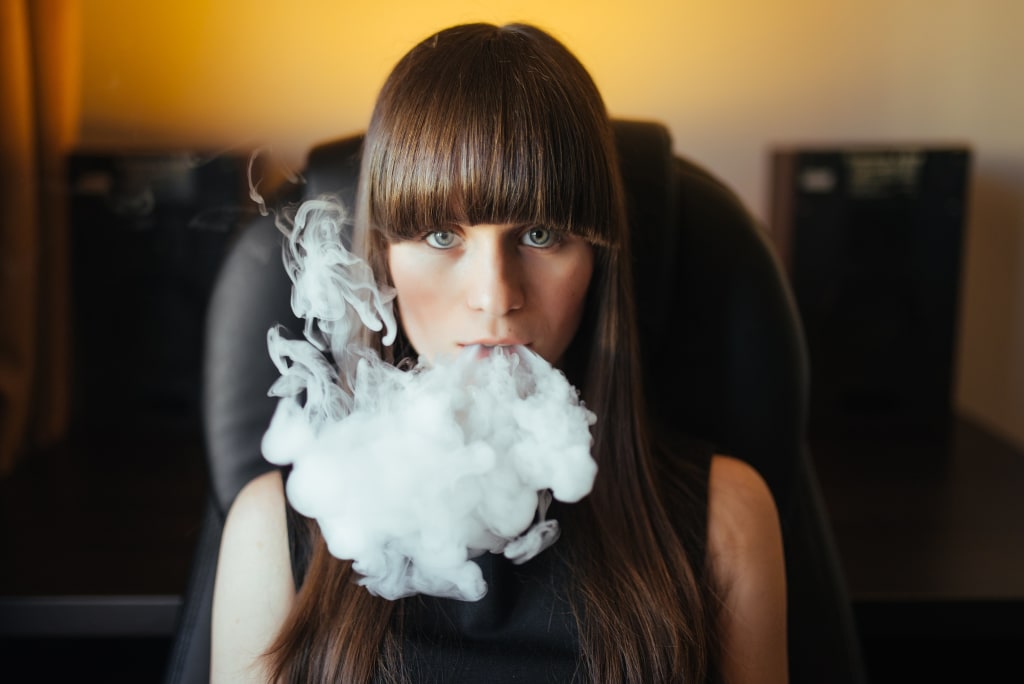
I have been a smoker for over 10 years. I started smoking when I was in college, as a way to cope with stress and fit in with my friends. I didn’t think much about the consequences of smoking, until I noticed that my hair was thinning and falling out.
I was shocked and scared. I didn’t want to lose my hair at such a young age. I did some research and found out that smoking was one of the main causes of hair loss. I learned that nicotine, the addictive substance in tobacco, can damage your hair follicles and prevent them from growing new hair.
In this article, I will share with you how nicotine causes hair loss and how I managed to reverse it with a natural treatment called red light therapy.
How does nicotine cause hair loss?
Nicotine is a stimulant drug that affects your nervous system and cardiovascular system. It can increase your heart rate, blood pressure, and adrenaline levels. It can also constrict your blood vessels and reduce blood flow to your scalp.
Blood flow is essential for your hair growth, as it delivers oxygen and nutrients to your hair follicles. When your blood flow is reduced, your hair follicles don’t get enough nourishment and may enter a resting phase, called telogen. This means that they stop producing new hair and may eventually fall out.
Nicotine can also affect your hair growth by increasing inflammation in your body. Inflammation is a natural response to injury or infection, but when it becomes chronic, it can harm your cells and tissues. Nicotine can activate certain white blood cells, called neutrophils, that release molecules that cause inflammation1.
Inflammation can damage your hair follicles and make them more susceptible to infections or diseases. It can also disrupt the balance of hormones that regulate your hair cycle, such as testosterone and dihydrotestosterone (DHT). These hormones can shrink your hair follicles and make them produce thinner and weaker hair.
Nicotine can also cause hair loss by altering the pH level of your scalp. pH is a measure of how acidic or alkaline something is. A healthy scalp has a slightly acidic pH of around 5.5, which helps protect it from bacteria and fungi. Nicotine can make your scalp more acidic, which can irritate your skin and cause dryness, itching, and dandruff2.
A more acidic scalp can also affect the structure and quality of your hair. It can weaken the bonds that hold your hair together and make it more brittle and prone to breakage. It can also strip away the natural oils that moisturize and nourish your hair.
How do you treat nicotine-induced hair loss?
The best way to treat nicotine-induced hair loss is to quit smoking. Quitting smoking can improve your overall health and well-being, as well as your hair health. It can restore your blood flow, reduce inflammation, balance your hormones, and normalize your scalp pH.
However, quitting smoking is not easy. It can cause withdrawal symptoms, such as cravings, irritability, anxiety, insomnia, and depression. It can also take a long time for your body to recover from the damage caused by nicotine.
If you are looking for a faster and easier way to stimulate your hair growth while quitting smoking, you may want to try red light therapy.
What is red light therapy and how does it work for hair growth?
Red light therapy is a natural treatment that uses low-level laser or LED light to stimulate cellular activity and blood flow in your scalp. The light penetrates into your skin and reaches your hair follicles, where it activates the mitochondria, the energy-producing organelles in your cells. This boosts the production of ATP, the molecule that fuels cellular functions, such as growth and repair.
By increasing the energy and blood supply to your hair follicles, red light therapy can help them produce thicker, stronger, and healthier hair. It can also prevent hair loss by reducing inflammation, improving circulation, and balancing the hormones that affect your hair cycle.
Red light therapy has been proven by multiple studies to be effective for hair growth in both men and women. For example, a 2014 study found that red light therapy increased hair density by 35% in men and 37% in women after 16 weeks of treatment. Another study found that red light therapy improved hair growth by 51% in women with female pattern hair loss after 24 weeks of treatment.
How to use red light therapy for hair growth at home?
One of the best ways to use red light therapy for hair growth at home is to use a red light therapy cap. A red light therapy cap is a device that fits over your head and delivers red light to your scalp. It is easy to use, comfortable, and safe. You can wear it while doing other activities, such as reading, watching TV, or working on your computer.
There are many red light therapy caps available on the market, but not all of them are created equal. Some of them may have low-quality LEDs, insufficient power, or poor design. To choose the best red light therapy cap for your hair growth needs, you should consider the following factors:
The wavelength of the light: The optimal wavelength for hair growth is between 630 and 670 nanometers (nm), which is in the red spectrum of visible light. Some devices may also include infrared light, which has a wavelength of 810 nm or higher. Infrared light can penetrate deeper into your scalp and may enhance the effects of red light.
The power of the device: The power of the device is measured in milliwatts (mW) or joules (J). The higher the power, the more energy the device delivers to your scalp. However, too much power can also cause heat damage or discomfort. The recommended power range for hair growth is between 3 and 6 J/cm2 per session.
The coverage of the device: The coverage of the device refers to how much of your scalp the device can reach with its light. The more coverage, the better. Ideally, you want a device that can cover your entire scalp, especially the areas where you experience hair loss or thinning.
The quality and durability of the device: The quality and durability of the device depend on the materials, design, and warranty of the product. You want a device that is made of high-quality LEDs, has a sturdy and ergonomic design, and comes with a long-term warranty and customer service.
If you are interested in learning more about how to choose the best red light therapy cap for your hair growth needs, you can check out our post on this topic.
Conclusion
Nicotine is a harmful substance that can cause hair loss by affecting your blood flow, inflammation, hormones, and scalp pH. If you are a smoker or a nicotine user, you should quit as soon as possible to improve your health and hair.
However, quitting nicotine can be challenging and may not be enough to reverse your hair loss or stimulate new hair growth. If you are looking for a faster and easier way to boost your hair growth at home, you may want to try red light therapy.
Red light therapy is a natural treatment that uses low-level laser or LED light to increase cellular activity and blood flow in your scalp. It can help you grow thicker, stronger, and healthier hair in a matter of weeks.
To use red light therapy for hair growth at home, you need a high-quality red light therapy cap that delivers optimal wavelength, power, coverage, and durability. To find out how to choose the best red light therapy cap for your needs, you can read our post on this topic (without any links).
We hope this article has helped you understand how nicotine causes hair loss and how red light therapy can help you reverse it. If you have any questions or comments, please feel free to share them below. We would love to hear from you!
About the Creator
VitalCare
Share the story of audience every day, and provide relevant advice on hair growth, weight loss, skin care, etc. Your health matters to us!
Beginner Workout Routine at Home Without Equipment (Step-by-Step Full Body Guide)
Introduction Starting a fitness journey can feel overwhelming, especially for beginners who do not have access to a gym or expensive workout equipment. Many people want to improve their health and strength but are unsure where to begin or worry that working out at home may not be effective. The good news is that you do not need a gym membership or specialized machines to build a strong and healthy body. A well-structured beginner workout routine at home without equipment can help you develop strength, improve endurance, and establish a sustainable fitness habit.
By Core Well Fit3 days ago in Longevity
🧓 The Best Breakfast for the Elderly
Breakfast is often called the most important meal of the day, and for older adults, it plays an even bigger role in maintaining health and energy. After a long night without food, the body needs nutrients to restore energy levels and support normal body functions.
By Being Inquisitivea day ago in Longevity


Comments
There are no comments for this story
Be the first to respond and start the conversation.