
Netherlands Diabetes Devices Market Trends & Summary
How Technology, Aging Demographics, and Healthcare Innovation Are Reshaping Diabetes Management


Introduction
The Netherlands Diabetes Devices Market is undergoing a significant transformation, driven by demographic shifts, technological innovation, and a robust healthcare ecosystem that emphasizes prevention and long-term disease management. According to Renub Research, the Netherlands Diabetes Devices Market is expected to reach US$ 687.2 million by 2033, growing from US$ 366.9 million in 2024, at a compound annual growth rate (CAGR) of 7.23% between 2025 and 2033.
This strong growth trajectory reflects the country’s rising diabetes prevalence, an aging population, increased health awareness, and widespread adoption of advanced diabetes management technologies. Devices such as continuous glucose monitors (CGMs), insulin pumps, smart insulin pens, and self-monitoring blood glucose systems are becoming central to diabetes care across hospitals, diagnostic centers, and homecare settings.
As diabetes increasingly becomes a public health priority, the Netherlands is positioning itself as a leader in digital and patient-centered diabetes management solutions.
Netherlands Diabetes Devices Market Overview
The diabetes burden in the Netherlands continues to rise steadily. As of 2025, more than 1.2 million people in the country are living with diabetes, with type 2 diabetes accounting for nearly 90% of all cases. Each year, approximately 58,000 new diabetes cases are diagnosed, largely attributed to lifestyle changes, increasing obesity rates, sedentary habits, and genetic predisposition.
Age remains a critical risk factor. Diabetes prevalence is highest among individuals aged 70–79 years, where rates range from 3.3% to 17.9%. The disease also represents a major public health challenge, contributing to over 12,000 deaths in 2019, either directly or as a secondary condition.
Against this backdrop, demand for reliable, accurate, and user-friendly diabetes devices is increasing rapidly. The Netherlands benefits from a well-developed healthcare infrastructure, universal insurance coverage, and favorable reimbursement policies that support access to advanced medical technologies. These structural advantages continue to accelerate the adoption of innovative diabetes devices nationwide.
Market Size and Forecast
Renub Research estimates that the Netherlands Diabetes Devices Market will grow at a robust pace over the forecast period. The market’s expansion from US$ 366.9 million in 2024 to US$ 687.2 million by 2033 underscores the increasing reliance on device-based diabetes management.
Growth is supported by:
Rising diabetes prevalence
Greater adoption of CGM and insulin pump technologies
Increased use of homecare monitoring devices
Government support for digital healthcare solutions
As diabetes care shifts from hospital-centered treatment toward continuous, home-based management, device penetration across all end-user segments is expected to rise.
Key Growth Drivers
Government Initiatives and Health Awareness
The Dutch government plays a pivotal role in strengthening diabetes prevention and management. National public health programs emphasize early screening, lifestyle modification, and patient education. Awareness campaigns encourage regular blood glucose monitoring and adherence to treatment regimens, which directly supports the adoption of diabetes devices.
Additionally, reimbursement frameworks make advanced technologies such as insulin pumps and continuous glucose monitors more accessible. By reducing out-of-pocket costs, the government ensures that both patients and healthcare providers can benefit from next-generation diabetes solutions. Public-private partnerships further stimulate innovation and encourage the introduction of cost-effective, patient-friendly devices.
Aging Population
Population aging is one of the most influential drivers of diabetes device demand in the Netherlands. As insulin sensitivity declines with age, older adults face a higher risk of developing type 2 diabetes and related complications.
The growing elderly population requires continuous glucose monitoring, simplified insulin delivery systems, and easy-to-use self-monitoring devices that support independent living. Diabetes devices help older patients maintain glycemic control, reduce hospital visits, and improve overall quality of life, making them essential tools in elderly care management.
Advancements in Diabetes Technology
Technological innovation is redefining diabetes care in the Netherlands. Continuous glucose monitoring (CGM) devices provide real-time glucose readings, trend analysis, and alerts that help prevent hypoglycemia and hyperglycemia. Insulin pumps offer precise, automated insulin delivery, reducing the burden of multiple daily injections.
Smart insulin pens, mobile health applications, and remote monitoring platforms enable data sharing between patients and healthcare professionals. These advancements allow personalized treatment plans, early intervention, and improved clinical outcomes. As digital health integration accelerates, AI-enabled analytics and wearable devices are expected to further enhance diabetes management efficiency.
Challenges in the Netherlands Diabetes Devices Market
Healthcare System Integration Challenges
Despite strong technological progress, integrating digital diabetes devices into the existing healthcare system presents logistical and organizational challenges. The absence of standardized guidelines for digital health implementation leads to variability in device usage among healthcare providers.
Fragmented systems and limited interoperability between platforms can hinder seamless data sharing, complicating long-term disease management. Addressing these issues requires closer collaboration between regulatory authorities, healthcare institutions, and technology developers to ensure secure, standardized, and interoperable solutions.
Adoption Barriers Among Patients
Patient adoption remains another challenge, particularly among older adults. Limited digital literacy, concerns about data privacy, and fear of technology malfunction can discourage widespread use of advanced devices.
Some patients perceive modern diabetes devices as complex or intrusive, while others worry about the security of their personal health data. Overcoming these barriers will require improved patient education, intuitive device design, and transparent communication regarding safety, accuracy, and privacy protections.
Market Segmentation by Type
Self-Monitoring Devices
Self-monitoring blood glucose (SMBG) devices continue to play a foundational role in diabetes care. This segment includes:
Test Strips
Lancets
Blood Glucose Meters
These devices remain widely used due to affordability, simplicity, and reliability, particularly among patients managing diabetes through lifestyle changes and oral medications.
Continuous Glucose Monitoring Devices
CGM systems represent one of the fastest-growing segments in the Dutch market. Components include:
Sensors
Transmitters
Receivers
CGMs provide continuous, real-time glucose data and reduce the need for frequent finger-stick testing. Their growing adoption reflects increased patient demand for accuracy, convenience, and proactive glucose control.
Insulin Pumps
Insulin pump technology is gaining traction among patients requiring intensive insulin therapy. This segment includes:
Patch Pumps
Tethered Pumps
Consumables
Insulin pumps offer precise insulin delivery and greater lifestyle flexibility, making them especially attractive for patients with type 1 diabetes and insulin-dependent type 2 diabetes.
Insulin Pens
Insulin pens remain popular due to their ease of use and portability. The segment includes:
Disposable Insulin Pens
Reusable Insulin Pens
Advancements such as smart insulin pens with dose-tracking features are further enhancing treatment adherence and accuracy.
End-User Analysis
Diabetes devices in the Netherlands are used across multiple healthcare settings:
Hospitals, where advanced monitoring and insulin delivery systems support acute care
Diagnostic Centers, which rely on accurate glucose measurement tools
Homecare, the fastest-growing segment, driven by remote monitoring and self-management trends
The shift toward home-based diabetes care is expected to continue as patients seek convenience and personalized disease management.
Competitive Landscape and Company Analysis
The Netherlands Diabetes Devices Market is highly competitive, with global and regional players focusing on innovation, strategic partnerships, and product launches. Key companies include:
Dexcom Inc
Medtronic
Roche
Abbott Laboratories
Eli Lilly
Terumo Corporation
BD (Becton, Dickinson and Company)
Each company is evaluated across four key viewpoints:
Key Personnel
Recent Developments & Strategies
Product Portfolio and New Launches (last 1 year)
Revenue Performance
Leading players continue to invest heavily in R&D, digital integration, and patient-centric design to strengthen their market presence.
Final Thoughts
The Netherlands Diabetes Devices Market is on a strong growth path, supported by demographic trends, healthcare innovation, and proactive government involvement. With the market projected to nearly double by 2033, diabetes devices are becoming an essential pillar of chronic disease management in the country.
While challenges related to system integration and patient adoption remain, continued education, technological refinement, and regulatory collaboration are expected to address these barriers. As wearable technologies, AI-driven analytics, and remote monitoring solutions gain momentum, the Netherlands is well-positioned to lead the next phase of advanced, data-driven diabetes care.
The future of diabetes management in the Netherlands lies in smarter devices, empowered patients, and a healthcare ecosystem that prioritizes precision, accessibility, and long-term well-being.
About the Creator
Keep reading
More stories from Aaina Oberoi and writers in Longevity and other communities.
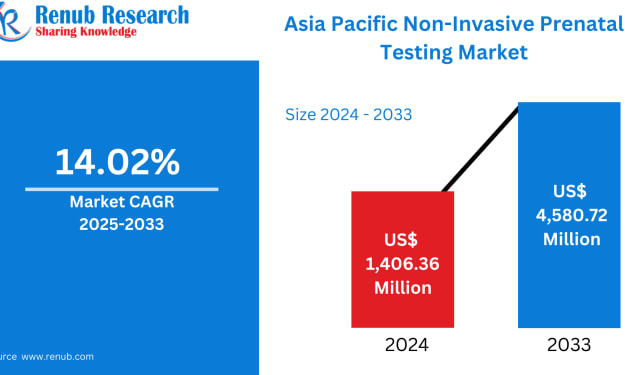
Asia Pacific Non-Invasive Prenatal Testing Market Size & Forecast 2025–2033
Asia Pacific Non-Invasive Prenatal Testing Market Overview The Asia Pacific Non-Invasive Prenatal Testing (NIPT) Market is witnessing remarkable momentum, driven by technological innovation, rising maternal age, and increasing awareness around early prenatal screening. According to Renub Research, the Asia Pacific NIPT market is expected to reach US$ 4,576.51 million by 2033, growing from US$ 1,338.51 million in 2024, at a robust CAGR of 14.64% during 2025–2033.
By Aaina Oberoi24 days ago in Longevity
Day 4 of Quitting
If this is how sobriety feels, maybe it’s better to go through life a little buzzed… this, along with other hits like, I want to kill myself, I wish I was dead, and I’m going to throw myself off a bridge have been the only thoughts on rotation these past few days. I promise myself that if, in a month, I still feel like this (‘this’ meaning despondent, full of rage, and simultaneously numb) I can go back to smoking. Until mid-February though? Nicotine is off the table.
By sleepy drafts5 days ago in Longevity
Fair Exchange, No Robberies
Dark Memoirs - Index There are at least two kinds of people in the world: those who write this half-arsed kind of intro to a story that looks to separate the rare and the norm, and those who realise it's an overused framing device and don't.
By Paul Stewart7 days ago in Chapters


Comments
There are no comments for this story
Be the first to respond and start the conversation.