
Neither Swimming Nor Pilates: The Best Activity for People With Knee Pain
Why Walking, When Done Right, Outperforms Trendy Workouts for Knee Health”

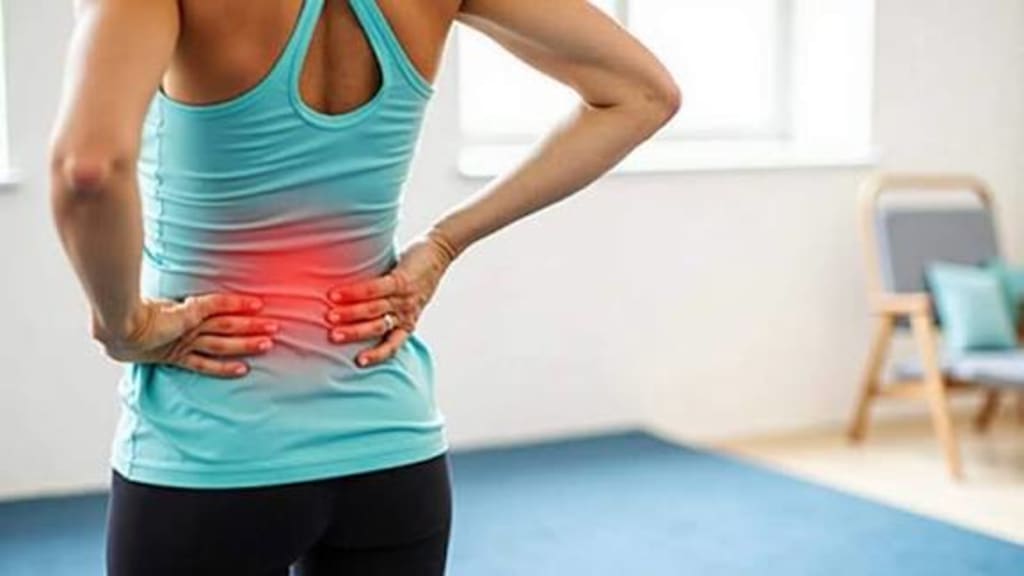
Knee pain is one of the most common physical complaints worldwide, affecting people of all ages—from young athletes to older adults. Whether caused by arthritis, old injuries, excess weight, or simple wear and tear, knee pain often leaves people confused about one crucial question: Which exercise is actually safe and effective? While swimming and Pilates are frequently recommended, emerging evidence and expert opinion suggest there is another activity that may be even better for protecting and strengthening painful knees.
Why Traditional “Safe” Exercises Don’t Work for Everyone
Swimming is often praised because it is low-impact, and Pilates is valued for improving core strength and flexibility. However, neither is perfect for people with knee pain. Swimming, while gentle, offers limited weight-bearing benefits, which are essential for maintaining joint strength and bone density. Pilates, on the other hand, sometimes involves deep knee bends or sustained positions that can aggravate existing knee issues if not carefully modified.
This has led physiotherapists and sports medicine experts to highlight an alternative exercise that balances low impact, strength building, and joint stability—walking, when done correctly and progressively.
Walking: Simple, Accessible, and Surprisingly Powerful
Walking may sound too basic to be considered the “best” exercise, but research increasingly supports its effectiveness for knee health. Unlike high-impact activities such as running or jumping, walking places controlled and predictable stress on the knee joint. This stress is not harmful—in fact, it helps nourish cartilage and strengthen the muscles that support the knee.
When muscles like the quadriceps, hamstrings, and glutes are strong, they absorb more shock, reducing pressure on the knee joint itself. Walking also improves circulation, which helps reduce stiffness and inflammation commonly associated with knee pain.
Why Walking Beats Swimming and Pilates for Knee Pain
One major advantage of walking is that it is functional. It trains the body for movements you perform every day—standing, climbing stairs, and maintaining balance. Swimming does not replicate these real-world movements, and Pilates often requires guidance to avoid strain.
Walking also allows individuals to control intensity easily. You can adjust pace, distance, terrain, and frequency without specialized equipment or expensive memberships. This makes it sustainable, which is a critical factor in long-term knee health.
The Science Behind Walking and Knee Pain Relief
Studies on osteoarthritis patients show that regular walking can significantly reduce pain and improve joint function. Contrary to outdated beliefs, moderate walking does not “wear out” the knee. Instead, it helps maintain cartilage by stimulating the production of synovial fluid—the lubricant that keeps joints moving smoothly.
Furthermore, walking supports weight management. Every extra kilogram of body weight adds several kilograms of force on the knees during movement. Even modest weight loss achieved through consistent walking can dramatically reduce knee strain.
How to Walk Safely With Knee Pain
Not all walking is equal, especially for people with knee problems. Experts recommend a few key guidelines:
Choose proper footwear with good cushioning and arch support
Start slow, especially if pain has limited activity in the past
Walk on flat, even surfaces before progressing to hills or trails
Maintain good posture, keeping your head up and shoulders relaxed
Listen to your body—mild discomfort is normal, sharp pain is not
Using walking poles can further reduce pressure on the knees by distributing weight through the arms, especially for older adults or those with balance issues.
Strength Plus Movement: The Ideal Combination
While walking stands out as the best primary activity, combining it with light strength exercises can enhance results. Simple movements like seated leg raises, gentle squats using a chair, or resistance band exercises help stabilize the knee joint. Unlike Pilates routines that may push flexibility too far, these targeted exercises focus on control and safety.
Who Should Avoid Walking?
Although walking benefits most people, those with severe knee injuries, acute inflammation, or post-surgical conditions should consult a healthcare professional first. In such cases, temporary alternatives like water walking or stationary cycling may be used until walking becomes comfortable again.
A Sustainable Path to Pain-Free Movement
The best exercise for knee pain is not always the most fashionable or complex. Walking stands out because it is natural, adaptable, and proven to support joint health without unnecessary risk. It empowers people to stay active without fear, helping them reclaim confidence in their movement.
For those living with knee pain, the solution may not lie in expensive classes or specialized workouts—but in simply putting one foot in front of the other, mindfully and consistently.
About the Creator
Fiaz Ahmed
I am Fiaz Ahmed. I am a passionate writer. I love covering trending topics and breaking news. With a sharp eye for what’s happening around the world, and crafts timely and engaging stories that keep readers informed and updated.
Keep reading
More stories from Fiaz Ahmed and writers in Longevity and other communities.
Greenland in Uproar After Researchers Call for Orca Cull to Protect Fragile Arctic Ecosystem
Greenland is facing an unexpected and heated debate over the future of one of the Arctic’s most iconic predators. A recent study by a team of marine researchers has sparked outrage by suggesting that an orca cull may be necessary to preserve the fragile Arctic ecosystem. While scientists argue that the intervention could protect vulnerable species and maintain ecological balance, local communities, conservationists, and animal rights activists have reacted with alarm, calling the proposal both unnecessary and ethically troubling.
By Fiaz Ahmed 2 days ago in Longevity
Day 4 of Quitting
If this is how sobriety feels, maybe it’s better to go through life a little buzzed… this, along with other hits like, I want to kill myself, I wish I was dead, and I’m going to throw myself off a bridge have been the only thoughts on rotation these past few days. I promise myself that if, in a month, I still feel like this (‘this’ meaning despondent, full of rage, and simultaneously numb) I can go back to smoking. Until mid-February though? Nicotine is off the table.
By sleepy drafts4 days ago in Longevity
Saudi Arabia Dialysis Market Size and Forecast 2025–2033
Saudi Arabia Dialysis Market Overview The Saudi Arabia Dialysis Market is estimated to grow significantly, increasing from US$ 35.09 billion in 2024 to US$ 50.86 billion by 2033, expanding at a compound annual growth rate (CAGR) of 4.21% during 2025–2033, according to Renub Research estimates. This growth trajectory reflects the mounting prevalence of kidney-related disorders, expanding healthcare investments, and the Kingdom’s strategic push to modernize medical infrastructure under Vision 2030.
By Janine Root 5 days ago in Longevity
Bruce Lee and The God of War: Kuan Ti
It starts with love.. The Power to the God Of War and Wealth Walk into a Chinese restaurant (even in Oklahoma, USA), a Chinese police station, a kung fu martial arts studio or even a Chinese temple and you often see a red faced warrior holding a heavy quan-do (spear like weapon).
By WILD WAYNE : The Dragon King4 days ago in Chapters


Comments
There are no comments for this story
Be the first to respond and start the conversation.