
More Than 300,000 River Obstacles Removed Worldwide Are Reconnecting Streams, Reviving Fish Migration And Restoring Freshwater Life
Global efforts to remove river obstacles are restoring aquatic ecosystems, reconnecting streams, and giving freshwater species a fighting chance.

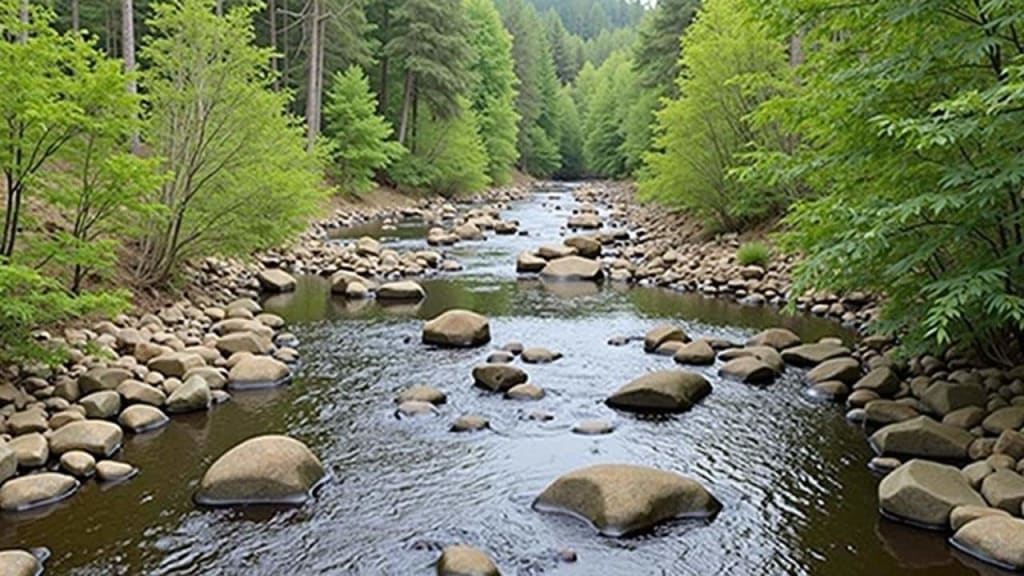
Freshwater ecosystems around the world are undergoing a quiet revolution. For decades, rivers and streams have been obstructed by dams, weirs, and other barriers, fragmenting habitats and preventing fish from completing essential migrations. Now, a global initiative to remove these obstacles is transforming waterways, reviving fish populations, and restoring the delicate balance of freshwater life. More than 300,000 river barriers have been removed worldwide, and the results are already evident.
Rivers are the lifeblood of terrestrial and aquatic ecosystems, supporting biodiversity, providing water for agriculture, and sustaining human communities. Yet human activity over the past century has dramatically altered these waterways. Dams and barriers, initially constructed for hydroelectric power, irrigation, and flood control, have inadvertently become major threats to freshwater biodiversity. Migratory species, such as salmon and sturgeon, struggle to reach spawning grounds, while aquatic plants and invertebrates face disrupted habitats.
The scale of the problem was staggering. According to recent studies, over 2.5 million barriers fragment rivers across the globe. Each structure, no matter how small, can hinder natural processes and degrade the health of aquatic ecosystems. In response, governments, environmental organizations, and local communities have initiated large-scale barrier removal projects, aiming to reconnect fragmented rivers and restore ecological integrity.
The impact of removing these barriers has been transformative. In North America, Europe, and parts of Asia, rivers that were once blocked by aging or unnecessary dams are now flowing freely. Fish populations have begun to rebound as migratory pathways reopen. In the United States, for example, the removal of the Elwha and Glines Canyon dams in Washington State allowed salmon to return to their ancestral spawning grounds for the first time in over a century. Similarly, European initiatives along the Rhine and Danube rivers have facilitated the migration of sturgeon, trout, and other freshwater species.
Beyond fish, removing barriers benefits the entire ecosystem. Reconnected rivers improve water quality by allowing sediment and nutrients to flow naturally. Wetlands that rely on dynamic water levels are revitalized, providing critical habitat for birds, amphibians, and insects. Local communities also benefit: restored rivers can reduce flooding risks, enhance recreational opportunities, and support sustainable fisheries.
One of the most ambitious programs comes from Europe’s “Dam Removal Europe” initiative, which has coordinated the dismantling of thousands of small and medium-sized barriers. Their strategy is data-driven, prioritizing structures that block critical habitats and assessing ecological outcomes post-removal. Early monitoring has shown increased fish abundance, improved river connectivity, and even unexpected ecological surprises, such as the reappearance of species thought extinct in certain regions.
In the Global South, innovative approaches are also emerging. Countries in Latin America and Southeast Asia are beginning to recognize the ecological and societal value of free-flowing rivers. Local communities, sometimes dependent on fisheries for their livelihoods, are actively participating in barrier removal projects, blending traditional knowledge with modern ecological science.
Despite these successes, challenges remain. Not all dams can or should be removed; some provide essential services such as water storage and electricity. Environmentalists stress the importance of careful planning, environmental impact assessments, and stakeholder consultation to ensure that removal projects benefit ecosystems without harming human communities. Additionally, funding and political will are crucial: removing a barrier requires coordination across multiple agencies and, often, international collaboration.
Yet, the momentum is undeniable. Removing over 300,000 river obstacles worldwide represents a significant shift in how humans interact with freshwater ecosystems. It reflects a growing understanding that ecological health and human well-being are intertwined. Free-flowing rivers are no longer just a conservation ideal—they are a practical, proven method of restoring biodiversity and enhancing resilience against climate change.
Looking ahead, experts argue that the continued removal of barriers, combined with sustainable river management, could transform global freshwater systems. Reconnected rivers could serve as natural highways for migratory species, buffers against flooding, and living laboratories for ecological research. The effort also has symbolic significance: it represents a shift from dominating nature to coexisting with it, recognizing that healthy rivers are essential for both wildlife and humanity.
In conclusion, the removal of more than 300,000 river obstacles worldwide is doing more than just clearing water pathways—it is breathing life back into ecosystems, reviving fish migrations, and restoring freshwater biodiversity on a massive scale. As these initiatives continue, they offer hope that the planet’s rivers, long constricted by human activity, can once again flow freely, sustaining both nature and people alike.
About the Creator
Fiaz Ahmed Brohi
I am a passionate writer with a love for exploring and creating content on trending topics. Always curious, always sharing stories that engage and inspire.
Keep reading
More stories from Fiaz Ahmed Brohi and writers in Longevity and other communities.
Etihad Cancels, Delays Flights to Pakistan Amid Poor Weather
Travelers between the United Arab Emirates and Pakistan faced significant disruptions this week as Etihad Airways canceled and delayed multiple flights due to severe weather conditions. The airline, known for its extensive network connecting Abu Dhabi to destinations across the world, cited poor visibility, strong winds, and storm warnings as the primary reasons for the operational setbacks. Passengers reported last-minute cancellations and rescheduling challenges, prompting calls for greater clarity and contingency measures during extreme weather events.
By Fiaz Ahmed Brohi3 days ago in Longevity
Day 4 of Quitting
If this is how sobriety feels, maybe it’s better to go through life a little buzzed… this, along with other hits like, I want to kill myself, I wish I was dead, and I’m going to throw myself off a bridge have been the only thoughts on rotation these past few days. I promise myself that if, in a month, I still feel like this (‘this’ meaning despondent, full of rage, and simultaneously numb) I can go back to smoking. Until mid-February though? Nicotine is off the table.
By sleepy drafts12 days ago in Longevity
Herpes Simplex Virus Treatment Market Set for Strong Growth as Innovation and Awareness Rise (2025–2033)
Global Herpes Simplex Virus Treatment Market Outlook The global Herpes Simplex Virus (HSV) Treatment Market is undergoing a period of accelerated transformation, driven by rising awareness of sexually transmitted infections (STIs), expanding access to antiviral therapies, and growing investments in next-generation treatments. According to Renub Research, the market is expected to reach US$ 5.21 billion by 2033, up from US$ 2.62 billion in 2024, registering a robust CAGR of 7.94% from 2025 to 2033.
By Janine Root about 3 hours ago in Longevity


Comments
There are no comments for this story
Be the first to respond and start the conversation.