
Meningitis - Causes, Symptoms, Diagnosis and Treatment
Meningitis. Symptoms. Diagnostics. What to do when meningitis is diagnosed. Conservative treatment and operations.

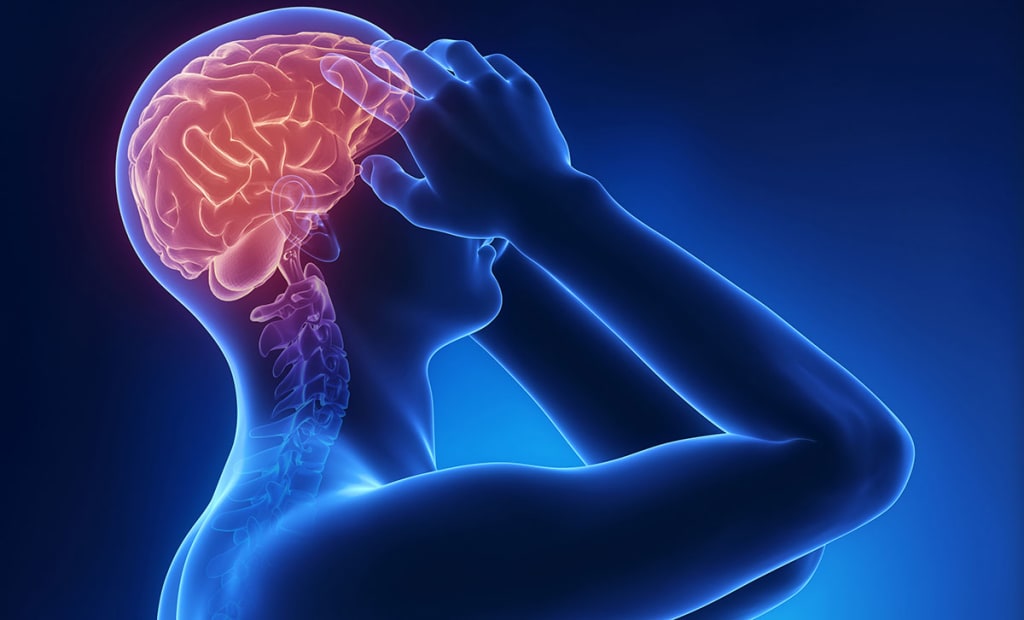
Meningitis is an inflammation of the membranes of the brain and spinal cord. Pachymeningitis is inflammation of the dura mater, leptomeningitis is inflammation of the soft and arachnoid meninges. Inflammation of the soft membranes is more common, in such cases the term "meningitis" is used. Its pathogens may be certain pathogenic microorganisms: bacteria, viruses, fungi; protozoal meningitis is less common. Meningitis is manifested by severe headache, hyperesthesia, vomiting, rigidity of the occipital muscles, the typical position of the patient in bed, hemorrhagic rashes on the skin. To confirm the diagnosis of meningitis and establish its etiology, a lumbar puncture and subsequent examination of the cerebrospinal fluid are performed.
General information
Meningitis is an inflammation of the membranes of the brain and spinal cord. Pachymeningitis is inflammation of the dura mater, leptomeningitis is inflammation of the soft and arachnoid meninges. Inflammation of the soft membranes is more common, in such cases the term "meningitis" is used. Its pathogens may be certain pathogenic microorganisms: bacteria, viruses, fungi; protozoal meningitis is less common
Etiology and pathogenesis of meningitis
Meningitis can occur in several ways of infection. The contact pathway - the occurrence of meningitis occurs in conditions of an already existing purulent infection. The development of sinusogenic meningitis is promoted by purulent infection of the paranasal sinuses (sinusitis), otogenic - mastoid process or middle ear (otitis media), odontogenic origin — dental pathology.The introduction of infectious agents into the meninges is possible by lymphogenic, hematogenic, transplacental, perineural pathways, as well as in conditions of liquorrhea with open craniocerebral trauma or spinal cord injury, crack or fracture of the base of the skull.
Pathogens of infection, entering the body through the entrance gate (bronchi, gastrointestinal tract, nasopharynx), cause inflammation (serous or purulent type) of the meninges and adjacent brain tissues. Their subsequent edema leads to a violation of microcirculation in the vessels of the brain and its membranes, slowing the resorption of cerebrospinal fluid and its hypersecretion. At the same time, intracranial pressure increases, dropsy of the brain develops. Possible further spread of the inflammatory process to the substance of the brain, the roots of cranial and spinal nerves.
Classification of meningitis
Meningitis is classified according to several criteria.
By etiology:
- bacterial (pneumococcal, tuberculosis, meningococcal, etc.)
- viral (caused by enteroviruses Coxsackie and ESNO, acute lymphocytic choriomeningitis, etc.)
- fungal (cryptococcal, candidiasis, etc.)
- protozoal (with malaria, toxoplasmosis, etc.)
By the nature of the inflammatory process:
- purulent (neutrophils predominate in the cerebrospinal fluid)
- serous (lymphocytes predominate in the cerebrospinal fluid)
By pathogenesis:
- primary (there is no general infection or infectious disease of any organ in the anamnesis)
- secondary (as a complication of an infectious disease)
By the prevalence of the process:
- generalized
- limited
According to the rate of the course of the disease:
- lightning
- fast acute
- subacute
- chronic
By severity:
- mild
- moderate severity
- severe form
- extremely severe form
Clinical picture of meningitis
The symptom complex of any form of meningitis includes general infectious symptoms (fever, chills, fever), increased breathing and rhythm disturbances, changes in heart rate (tachycardia at the beginning of the disease, bradycardia as the disease progresses).
The meningeal syndrome includes general cerebral symptoms manifested by tonic tension of the muscles of the trunk and extremities. Often there are abnormal symptoms (runny nose, abdominal pain, etc.). Vomiting with meningitis is not associated with eating, but appears immediately after a change of position or with an increase in headache. Headaches, as a rule, of a bursting nature are very painful for the patient, they can be localized in the occipital region and give to the cervical spine. In addition, patients react painfully to the slightest noise, touch, light, so they try to avoid talking and lie with their eyes closed. In childhood, seizures may occur.
Meningitis is characterized by hyperesthesia of the skin and soreness of the skull during percussion. At the beginning of the disease, there is an increase in tendon reflexes, but with the development of the disease they decrease and often disappear. If brain matter is involved in the inflammatory process, paralysis, pathological reflexes and paresis develop. Severe meningitis is usually accompanied by dilation of the pupils, diplopia, strabismus, violation of control over the pelvic organs (in the case of mental disorders).
Symptoms of meningitis in old age are atypical: mild manifestation of headaches or their complete absence, tremor of the head and limbs, drowsiness, mental disorders (apathy or, conversely, psychomotor agitation).
Diagnosis and diffdiagnosis
The main method of diagnosing (or excluding) meningitis is lumbar puncture followed by examination of cerebrospinal fluid. In favor of this method, its safety and simplicity speak, therefore, lumbar puncture is indicated in all cases of suspected meningitis. All forms of meningitis are characterized by fluid leakage under high pressure (sometimes by a jet). With serous meningitis, the cerebrospinal fluid is transparent (sometimes slightly opalescent), with purulent meningitis, it is cloudy, yellow-green in color. With the help of laboratory studies of cerebrospinal fluid, pleocytosis is determined (neutrophils in purulent meningitis, lymphocytes in serous meningitis), a change in the ratio of the number of cells and an increased protein content.
In order to clarify the etiological factors of the disease, it is recommended to determine the glucose level in the cerebrospinal fluid. In the case of tuberculous meningitis, as well as meningitis caused by fungi, the glucose level decreases. For purulent meningitis, a significant (up to zero) decrease in glucose levels is typical.
The main guidelines of a neurologist in the differentiation of meningitis are the study of cerebrospinal fluid, namely, the determination of the ratio of cells, sugar and protein levels.
Treatment of meningitis
In case of suspected meningitis, hospitalization of the patient is mandatory. In the severe course of the prehospital stage (depression of consciousness, fever), prednisone and benzylpenicillin are administered to the patient. Lumbar puncture at the prehospital stage is contraindicated.
The basis for the treatment of purulent meningitis is the early administration of sulfonamides (ethazole, norsulfazole) or antibiotics (penicillin). Allows the administration of benzylpenicillin intralumbally (in an extremely severe case). If such treatment of meningitis is ineffective during the first 3 days, therapy with semi-synthetic antibiotics (ampicillin + oxacillin, carbenicillin) in combination with monomycin, gentamicin, nitrofurans should be continued. The effectiveness of such a combination of antibiotics has been proven before the isolation of a pathogenic organism and the detection of its sensitivity to antibiotics. The maximum duration of such combination therapy is 2 weeks, after which it is necessary to switch to monotherapy. The criteria for cancellation are also a decrease in body temperature, normalization of cytosis (up to 100 cells), regression of cerebral and meningeal symptoms.
The basis of the complex treatment of tuberculous meningitis consists in the continuous administration of bacteriostatic doses of two or three antibiotics (for example, isoniazid + streptomycin). If possible side effects occur (vestibular disorders, hearing impairment, nausea), cancellation of this treatment is not required, a reduction in the dose of antibiotics and temporary addition of desensitizing drugs (diphenhydramine, promethazine), as well as other anti-tuberculosis drugs (rifampicin, PASC, ftivazid) are indicated. Indications for discharge of the patient: absence of symptoms of tuberculous meningitis, rehabilitation of cerebrospinal fluid (6 months after the onset of the disease) and improvement of the general condition of the patient.
Treatment of viral meningitis may be limited to the use of symptomatic and general tonic agents (glucose, sodium metamizole, vitamins, methyluracil). In severe cases (pronounced general cerebral symptoms), corticosteroids and diuretics are prescribed, less often - repeated spinal puncture. In case of bacterial infection, antibiotics may be prescribed.
Forecast
In the further prognosis, the form of meningitis, the timeliness and adequacy of therapeutic measures play an important role. Headaches, intracranial hypertension, epileptic seizures, visual and hearing impairments often remain as residual symptoms after tuberculous and purulent meningitis. Due to the delayed diagnosis and resistance of the pathogen to antibiotics, the mortality rate from purulent meningitis (meningococcal infection) is high.
Prevention
As preventive measures to prevent meningitis, regular hardening (water procedures, sports), timely therapy of chronic and acute infectious diseases, as well as short courses of immunostimulating drugs (eleutherococcus, ginseng) in foci of meningococcal meningitis (kindergarten, school, etc.) are provided.
About the Creator
Artur Kh.
Writer, doctor and businessman. I blog about self-development, personal growth, health and new ways of making money.
Best Artwork Styles for Contemporary Living Spaces
Contemporary living spaces are defined by simplicity, clean lines, and intentional design choices. Unlike traditional interiors that rely heavily on ornamentation, contemporary homes often embrace openness, neutral palettes, and functional layouts. Because of this minimal foundation, artwork plays an essential role in adding personality, warmth, and visual depth.
By CEO A&S Developers7 days ago in Longevity

Comments
There are no comments for this story
Be the first to respond and start the conversation.