
Neurocirculatory Dystonia - Causes, Symptoms, Diagnosis and Treatment
Neurocirculatory dystonia. Symptoms. Diagnostics. What to do when diagnosed with neurocirculatory dystonia. Conservative treatment and operations.

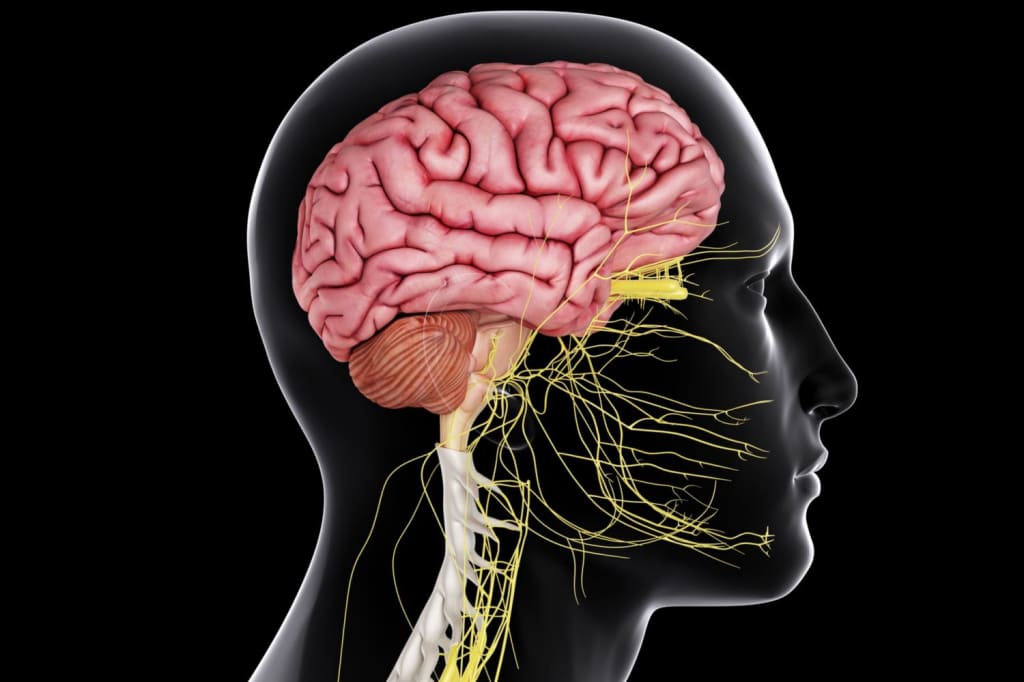
Neurocirculatory dystonia (NCD) is a complex of functional disorders of the cardiovascular system that develops as a result of disorders of neuroendocrine regulation. Neurocirculatory dystonia has a polyetiological genesis, is accompanied by a variety of different, mainly cardiovascular, manifestations that occur or worsen under the influence of stress, is characterized by a benign course and a satisfactory prognosis.
General information
Neurocirculatory dystonia in the literature is sometimes referred to by the terms "neurosis of the heart", "neurocirculatory asthenia", "excitable heart". It is customary to distinguish two types of functional disorders of the cardiovascular system: vegetative-vascular and neurocirculatory dystonia. Vegetative-vascular dystonia combines various manifestations of autonomic dysfunction that accompany organic lesions of the nervous, endocrine and other systems.
Neurocirculatory dystonia is an independent nosological form with its etiology, pathogenesis, symptoms and prognosis and differs in a number of features from autonomic dysfunction. The distinctive features of neurocirculatory dystonia are the predominance among the clinical manifestations of cardiovascular symptoms, the primary functional nature of autonomic regulation disorders and the lack of connection with organic pathology, including neurosis.
Neurocirculatory dystonia is often encountered by neurologists, cardiologists, and general practitioners. Among patients with a cardiological and therapeutic profile, NCD occurs in 30-50% of individuals. Neurocirculatory dysfunction can develop at different ages, but it is more common in young people, mainly women, who suffer from it 2-3 times more often than men. The disease rarely develops in people younger than 15 and older than 40-45 years.
Reasons
Various factors can lead to the development of neurocirculatory disorders, but they do not include organic lesions of the endocrine and nervous systems. In adolescence and adolescence, neurocirculatory dystonia is usually caused by imperfection of the neuroendocrine mechanism of regulation of vegetative processes. The development of NCD in the prepubescent and pubertal periods is facilitated by increased mental and physical exertion, social environment.
In people of any age, neurocirculatory dystonia can develop against the background of acute and chronic infections, lack of sleep, fatigue, mental trauma, exposure to physical and chemical factors (insolation, hot climate, vibration), improper diet, physical activity (overload or inactivity), intoxication, including alcohol and tobacco. Periods of hormonal changes of the body (puberty, abortions, pregnancies, menopause, ovarian dysfunction) play a role in the development of neurocirculatory dystonia.
A number of patients have a hereditary-constitutional predisposition to the development of neurocirculatory dystonia. The impact of these factors causes dysfunction of the neurohumoral control of the cardiovascular system, where the leading pathogenetic link is the defeat of the hypothalamic-pituitary structures that coordinate these processes. Violation of neurohumoral control is manifested by a disorder of the functions of the systems that ensure the processes of homeostasis in the body: cholinergic, sympathetic-adrenal, kallikreinkinin, histaminserotonin, etc.
This, in turn, triggers mechanisms that lead to disruption and multiple changes on the part of carbohydrate, water-electrolyte metabolism, acid-base state, mediator and hormonal systems. In the tissues of the myocardium, biologically active substances (histamine, serotonin, kinins, etc.) are activated, causing metabolic disorders and the development of dystrophy. On the part of the circulatory system, there are fluctuations in vascular tone, spasms of peripheral vessels, slowing of microcirculation, which leads to the development of tissue hypoxia.
Once formed, pathogenetic mechanisms become autonomous, and neurocirculatory dystonia becomes an independent disease. Any stimuli (changes in weather conditions, stress, etc.) cause a pathological reaction that causes the manifestation of one or another type of neurocirculatory dystonia.
Classification
According to etiological forms, essential (constitutional-hereditary), psychogenic (neurotic), infectious-toxic, dishormonal, mixed neurocirculatory dystonia, as well as NCD of physical overstrain are distinguished.
Depending on the leading clinical syndrome according to the classification of V.P.Nikitin (1962) and N.N.Savitsky (1964), four types of neurocirculatory dystonia are distinguished: cardiac (with predominant cardiac activity disorder), hypotensive (with predominant decrease in blood pressure), hypertensive (with predominant increase in blood pressure), mixed (combines disorders of blood pressure and cardiac activity). According to the severity of symptoms, mild, moderate and severe degrees of neurocirculatory dystonia are distinguished; according to the variant of the course, the phases of exacerbation and remission.
Symptoms of neurocirculatory dystonia
A common manifestation for all types of neurocirculatory dystonia is a neurosis-like condition characterized by fatigue, weakness, sleep disorder, irritability, decreased memory, mood and volitional qualities, deterioration of concentration, which is joined by functional circulatory disorders of a predominant nature.
Cardiac type
The course of the cardiac type of neurocirculatory dystonia is manifested by cardialgia, palpitations, interruptions in the work of the heart, sometimes shortness of breath during physical activity; significant changes in blood pressure are not noted. Objectively, tachycardia, respiratory arrhythmia, tachycardia paroxysms, supraventricular extrasystoles, an inadequate change in cardiac output, an ECG change in the voltage of the T wave (high or reduced) can be determined.
Hypotensive type
Neurocirculatory dystonia of the hypotensive type is characterized by the phenomena of chronic vascular insufficiency: a decrease in systolic blood pressure of less than 100 mm Hg, chilly feet and hands, a tendency to orthostatic collapses and fainting. Also, for patients with hypotensive type of NCD, complaints of fatigue, muscle weakness, headaches are typical. Such patients, as a rule, have an asthenic physique, pale skin, cold and moist palms.
Hypertensive type
The hypertensive type of neurocirculatory dystonia is characterized by a transient increase in blood pressure to 130-140 /85-90 mmHg, which in half of the cases is not accompanied by a subjective change in the well-being of patients and is detected at medical examinations. Less common are complaints of palpitations, headache, fatigue. The hypertensive type of NCD in its characteristics coincides with borderline arterial hypertension.
Degrees of NCD
A mild degree of neurocirculatory dystonia is characterized by moderately pronounced symptoms that occur only in connection with psychoemotional overload. The ability to work of patients is preserved, there may be a slight decrease in physical endurance; drug therapy is not indicated.
With neurocirculatory dystonia of moderate severity, there is a multiplicity of symptoms, a decrease in physical performance by more than 50%. Reduction or temporary disability requires the appointment of drug therapy. With severe manifestations of neurocirculatory dystonia, persistent and multiple clinical symptoms are observed, a sharp decrease or loss of working capacity, requiring inpatient treatment of patients.
Diagnostics
The low specificity of the symptoms of neurocirculatory dystonia makes it difficult to diagnose and requires careful verification of the diagnosis.
Confirming diagnostic criteria for neurocirculatory dystonia based on patient complaints can serve as symptoms that can be traced for 1-2 months: cardialgia, palpitations, a feeling of lack of air, pulsation in the precordial region or in the neck vessels, weakness, fatigue, neurotic manifestations (irritability, anxiety, sleep disturbance), dizziness, cold and wet limbs. Neurocirculatory dystonia is characterized by a multiplicity of complaints that have a clear connection with stressful situations or periods of hormonal changes, the course of the disease with periods of remissions and exacerbations, but without a tendency to progression.
Reliable physical criteria for the presence of NCD include an unstable heart rhythm with a tendency to tachycardia that appears spontaneously or inadequately to the situation, blood pressure lability, the presence of respiratory arrhythmias (tachypnea, dyspnea), hyperalgesia in the heart area. Patients may have tachycardia, arrhythmia, migration of the rhythm driver (21.3%), extrasystole (8.8%), paroxysmal tachycardia and atrial fibrillation (3%), negative T wave in two or more leads (39.4%) on the ECG.
Informative diagnostic methods for neurocirculatory dystonia are diagnostic ECG tests with a load.
- A physiological test with hyperventilation involves performing forced inhalations and exhalations for 30-40 minutes, followed by ECG registration and comparison with the initial one. A positive breakdown indicating NCD is an increase in the pulse rate by 50-100% and the appearance of negative T waves on the ECG or an increase in their amplitude.
- An orthostatic test involves recording an ECG in a supine position, and then after 10-15 minutes of standing. The positive results of the test are the same changes as in the hyperventilation test, observed in NCD in 52% of patients.
- Drug tests (with beta-blockers, potassium) are aimed at distinguishing between neurocirculatory dystonia and organic heart diseases. ECG registration is carried out 40-60 minutes after taking 60-80 mg of beta-blockers (obsidan, inderal, anaprilin) or 6 g of potassium chloride. In organic cardiopathologies (myocarditis, coronary artery disease, myocardial hypertrophy), a positive T wave is registered, in NCD, a negative T wave is registered.
During bicycle ergometry, a decrease in load tolerance typical for neurocirculatory dystonia is determined, i.e. a patient with neurocirculatory dystonia is able to perform less load than a healthy person of the same age and gender. Laboratory data indicate an increase in the activity of the sympathetic-adrenal system: in response to the load in the blood, an inadequate increase in the level of norepinephrine, adrenaline, metabolites, lactic acid is observed.
Treatment of neurocirculatory dystonia
In the treatment of neurocirculatory dystonia, non-drug measures designed to increase the adaptive capabilities of the body to changing conditions occupy an extremely important place. With NCD, tempering procedures, sports activities (athletics, swimming), rational psychotherapy, normalization of the work and rest regime are shown.
Balneotherapy, physiotherapy (therapeutic showers and baths, electroson, reflexotherapy, electrophoresis with bromine, magnesium, novocaine), physical therapy, spa treatment have a positive effect on the training of the system of regulation of vegetative functions. In case of sleep disorders, irritability, sedative medications may be prescribed: motherwort, valerian, tranquilizers (oxazepam, etc.).
For the treatment of neurocirculatory dystonia of the cardiac and hypertensive type, beta-blockers (atenolol, propranolol, oxprenolol) are indicated, eliminating tachycardia, hypertension, cardialgia, as well as drugs that improve the metabolism of the heart muscle (inosine, potassium preparations, B vitamins). With neurocirculatory dystonia of the hypotensive type with the presence of asthenia and orthostatic disorders, a tincture of ginseng (lemongrass, aralia), caffeine is prescribed.
Forecast
The course of any type of neurocirculatory dystonia does not cause the development of cardiomegaly, heart failure or life-threatening rhythm and conduction disorders. In adolescence, with timely therapy or self-healing, complete recovery occurs. With age, the prognosis for a complete cure of neurocirculatory dystonia decreases. A decrease or temporary disability may occur during periods of exacerbations.
Patients with hypertensive type of neurocirculatory dystonia are at risk for hypertension; with any type of NCD due to lipid metabolism disorders, the likelihood of atherosclerosis and coronary heart disease is not excluded.
Prevention
The issues of prevention of neurocirculatory dystonia go beyond purely medical measures. Prevention includes proper physical, mental and hygienic education of adolescents, increasing their self-esteem and social adaptation. The role of promoting a healthy lifestyle, playing sports, eliminating smoking and alcohol intake is great.
Medical prevention of neurocirculatory dystonia includes the fight against focal infections, stress factors, and hormonal regulation in women during menopause.
.
About the Creator
Artur Kh.
Writer, doctor and businessman. I blog about self-development, personal growth, health and new ways of making money.
How Trackless Mining Equipment Suppliers in China Operate in 2026
When searching for reliable trackless mining equipment manufacturers in China, the options get overwhelming fast. You jump on a supplier portal and suddenly see thousands of identical looking machines. Buying heavy machinery for a mine is not like ordering basic office supplies. If a loader breaks down three miles underground, the whole production schedule stops immediately. The financial hit is massive. Finding the right factory matters a lot more than just getting a cheap price tag on a shiny new vehicle.
By CEO A&S Developersabout 22 hours ago in Longevity



Comments
There are no comments for this story
Be the first to respond and start the conversation.