
Melanoma Cancer:
Symptoms, Treatment, and Prevention


Melanoma is a type of skin cancer that develops from the pigment-producing cells called melanocytes. It is the most serious form of skin cancer and can spread to other parts of the body if not detected and treated early. In this article, we will delve into the details of melanoma cancer, including its symptoms, treatment options, and important prevention measures.
Understanding Melanoma:
Melanoma usually appears as an abnormal mole or spot on the skin. It can occur on any part of the body, but it is commonly found on areas exposed to the sun, such as the face, neck, arms, and legs. Here are some key aspects to know about melanoma:
Symptoms:
Irregular moles: Melanoma may develop from existing moles or appear as new, irregularly shaped moles.

Asymmetry: Melanoma lesions are often asymmetric, meaning one half does not match the other half.
Border irregularity: The borders of melanoma may be uneven, jagged, or blurry.

Color variation: Melanoma lesions may have different colors within the same mole, such as shades of brown, black, blue, or red.
Diameter: Melanoma typically has a larger diameter than common moles, often exceeding the size of a pencil eraser.
Evolution: Any changes in size, shape, color, or texture of a mole should be closely monitored.
Risk Factors:
Several factors increase the risk of developing melanoma, including:
Excessive sun exposure and sunburns.
Fair skin, light hair, and light eye color.
Family history of melanoma.
Weakened immune system.
History of blistering sunburns during childhood.
Presence of numerous moles or atypical moles.
Treatment Options:
Early detection and treatment significantly improve the chances of successful melanoma treatment. The specific approach depends on the stage and extent of the cancer. Here are common treatment options:
Surgical Excision:
Surgical removal is often the primary treatment for melanoma. It involves removing the tumor and a margin of healthy tissue surrounding it. This helps ensure complete removal and reduces the risk of recurrence.
Sentinel Lymph Node Biopsy:
In certain cases, a sentinel lymph node biopsy may be performed. This procedure helps determine if the melanoma has spread to nearby lymph nodes. If affected nodes are identified, further treatment may be necessary.
Lymph Node Dissection:
If the sentinel lymph node biopsy indicates the spread of melanoma, a lymph node dissection may be recommended. This involves the surgical removal of affected lymph nodes in the surrounding area.
Immunotherapy:
Immunotherapy is a treatment approach that stimulates the body's immune system to recognize and destroy cancer cells. It can be effective in treating advanced or metastatic melanoma.
Targeted Therapy:
Targeted therapy uses medications that specifically target genetic mutations or proteins involved in melanoma growth. These therapies are designed to disrupt cancer cells' growth and survival.
Radiation Therapy:
Radiation therapy may be used in certain cases to destroy cancer cells or alleviate symptoms. It involves the use of high-energy beams to target and kill cancer cells.
Prevention:
Prevention plays a vital role in reducing the risk of melanoma. Here are some key preventive measures:
Sun Protection:

Limit sun exposure, especially during peak hours.
Use broad-spectrum sunscreen with an SPF of 30 or higher.
Wear protective clothing, including hats, long sleeves, and sunglasses.
Seek shade whenever possible.
Regular Skin Examinations:
Perform self-examinations of your skin regularly to monitor any changes in moles or the appearance of new ones. Seek professional dermatological examinations at recommended intervals.
Avoid Tanning Beds:
Tanning beds emit harmful ultraviolet (UV) rays that can increase the risk of melanoma and other skin cancers. Avoid their use altogether.
Know Your Risk Factors:
Understand your personal risk factors for melanoma, such as family history, skin type, and previous sunburns. Take necessary precautions and seek professional advice if needed.
At the end, Melanoma is a serious form of skin cancer that requires attention and early detection. By understanding its symptoms, seeking regular skin examinations, and practicing sun protection, you can reduce your risk of developing melanoma. Remember to consult with healthcare professionals for personalized advice and guidance regarding prevention, early detection, and treatment options. Stay vigilant, protect your skin, and enjoy the sun safely.
About the Creator
Raghubir Bisht
With 22+ years of experience in pharmaceuticals and technology Sectors, I've begun an exciting new journey as a Professional Blogger at KindAttentionPlease.com.
Keep reading
More stories from Raghubir Bisht and writers in Longevity and other communities.
Understanding the Different Types of Cancer:
Cancer is a complex and widespread disease that affects millions of people around the world. It is characterized by the uncontrolled growth of abnormal cells in the body. There are various types of cancer, each with its own unique characteristics, symptoms, and treatment approaches. In this article, we will explore the different types of cancer, their symptoms, available treatments, and the importance of early detection.
By Raghubir Bisht3 years ago in Longevity
Day 4 of Quitting
If this is how sobriety feels, maybe it’s better to go through life a little buzzed… this, along with other hits like, I want to kill myself, I wish I was dead, and I’m going to throw myself off a bridge have been the only thoughts on rotation these past few days. I promise myself that if, in a month, I still feel like this (‘this’ meaning despondent, full of rage, and simultaneously numb) I can go back to smoking. Until mid-February though? Nicotine is off the table.
By sleepy drafts16 days ago in Longevity
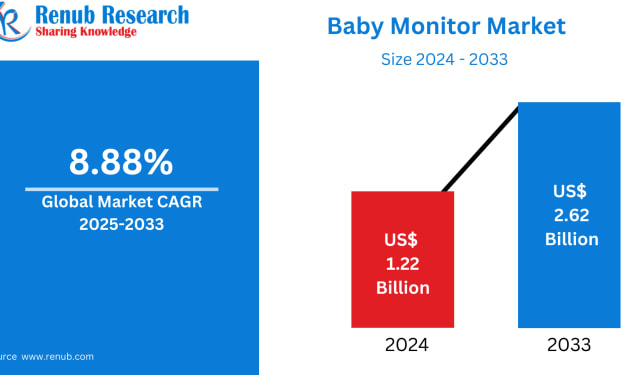
Baby Monitor Market Trends & Summary: How Smart Parenting Tech Is Shaping the Future of Child Safety
Introduction: A New Era of Digital Parenting Parenting in the modern world looks very different from what it did even a decade ago. As more parents balance demanding careers with family life, technology has stepped in as a silent partner—helping caregivers stay connected, informed, and reassured. Among the most trusted of these innovations is the baby monitor, a device that has evolved from simple audio tools into intelligent, AI-powered guardians.
By Marthan Sir3 days ago in Longevity



Comments
There are no comments for this story
Be the first to respond and start the conversation.