
"Meditation Practices for Mental Peace and Focus"
"A Guide to Inner Stillness and Mental Clarity"

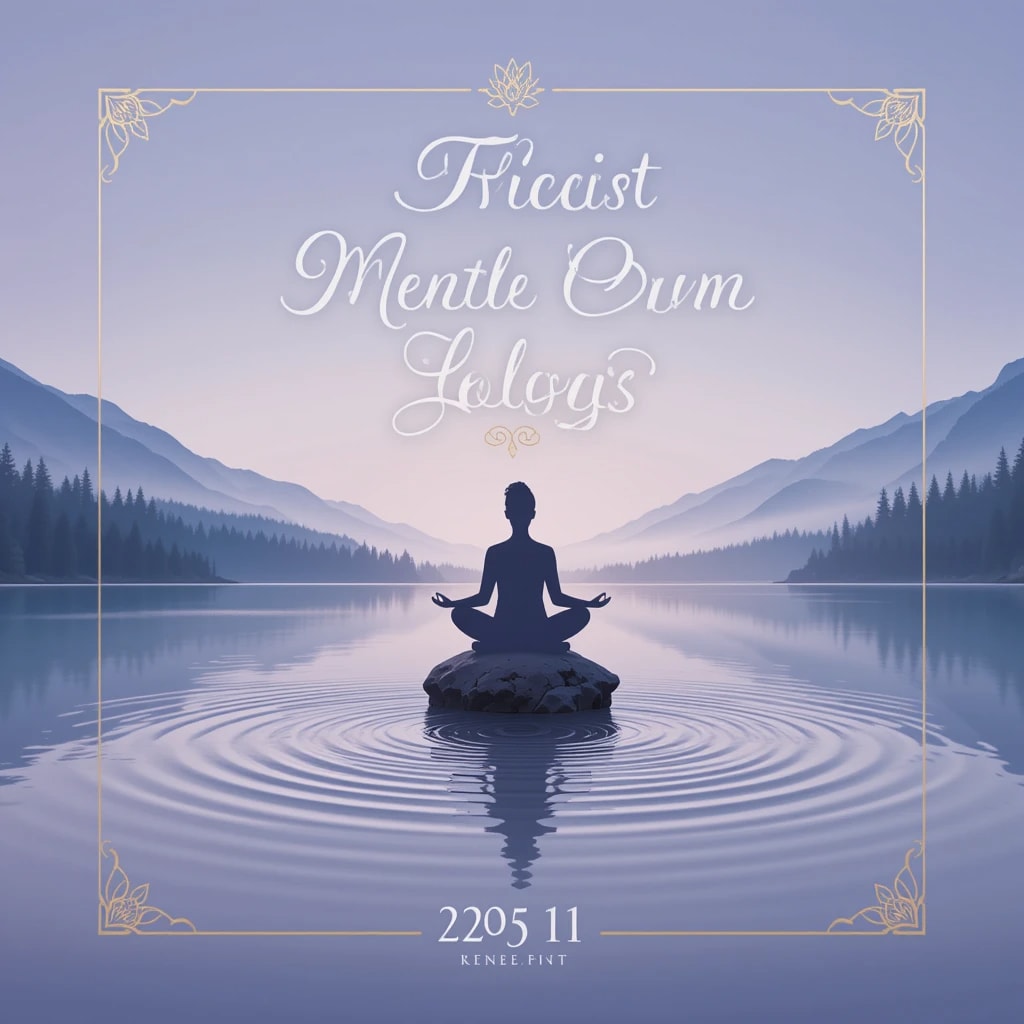
Meditation Practices for Mental Peace and Focus
Meditation techniques for mental peace and focus are essential tools in today’s fast-paced world. With endless distractions, mounting stress, and constant digital noise, our minds crave stillness and clarity. Meditation isn’t just a spiritual or ancient practice — it's a modern necessity for maintaining emotional well-being, boosting concentration, and cultivating a deeper connection with ourselves.
In this article, we’ll explore powerful yet accessible meditation methods, explain their scientifically backed benefits, and offer simple tips to help even complete beginners begin their journey toward inner calm and sharper focus.
🧘♂️ The Power of Meditation in a Busy World
“Meditation is not a way of making your mind quiet. It's a way of entering into the quiet that is already there.” — Deepak Chopra
In our over-stimulated lives, it's easy to feel mentally scattered. Meditation acts as a mental reset button. It slows the racing mind, centers your thoughts, and allows space for clarity and peace.
Whether you're a student battling exam stress, a professional dealing with workplace pressure, or someone simply seeking a moment of calm, meditation can provide powerful relief and long-lasting mental benefits.
🧠 Scientific Benefits of Meditation for the Mind
Modern science confirms what ancient wisdom has always known: meditation transforms the brain. Research studies and brain scans reveal impressive changes in individuals who practice regularly.
Key Benefits:
Reduces Stress and Anxiety
Meditation lowers cortisol levels — the stress hormone — helping you feel calmer and more in control.
Improves Focus and Concentration
A study from Harvard Medical School showed increased gray matter in the brain areas responsible for attention and memory in those who meditated consistently.
Enhances Emotional Health
Regular meditation is linked to lower levels of depression and increased positive emotions.
Boosts Creativity and Problem-Solving
By quieting mental noise, meditation clears the path for fresh ideas and innovative thinking.
Promotes Better Sleep
Guided meditation and mindfulness techniques help quiet the mind and relax the body for deeper, more restful sleep.
🌿 Simple Meditation Techniques for Beginners
You don’t need fancy equipment, a perfect setting, or hours of free time to begin meditating. Just a few quiet minutes a day can spark change.
1. Mindful Breathing Meditation
This is one of the easiest and most effective techniques for beginners.
How to do it:
Sit comfortably with your back straight.
Close your eyes and take a few deep breaths.
Bring your focus to your natural breath.
Notice the inhale and exhale. When your mind wanders, gently bring it back.
Duration: Start with 5–10 minutes daily.
2. Body Scan Meditation
Helps release tension and improve mind-body awareness.
Steps:
Lie down or sit comfortably.
Focus your attention on your toes, then slowly move upward.
Notice any sensations, tightness, or relaxation without judgment.

3. Guided Meditation
Ideal for those who struggle to stay focused.
What you need:
Use apps like Headspace, Calm, or YouTube videos.
Choose a voice or guide that resonates with you.
Follow the instructions as they lead you through imagery, breathing, or visualization.
4. Walking Meditation
Perfect for those who find sitting still difficult.
Instructions:
Walk slowly in a quiet place.
Focus on the sensation of your feet touching the ground.
Sync your breath with your steps.
✨ Tips to Make Meditation a Daily Routine
Getting started is often the hardest part. These tips will help you stay consistent:
Start Small – Even 3 minutes a day is enough to begin forming a habit.
Create a Peaceful Space – Choose a quiet spot with minimal distractions.
Use a Timer or App – This helps you stay focused without checking the clock.
Attach Meditation to an Existing Habit – Meditate after brushing your teeth or before going to bed.
Be Kind to Yourself – Don’t aim for perfection. Just showing up matters.
🧘 What the Masters Say
Ancient spiritual texts and modern mindfulness teachers offer timeless insight into the practice of meditation.
“You should sit in meditation for 20 minutes a day — unless you're too busy. Then you should sit for an hour.” — Zen proverb
“Feelings come and go like clouds in a windy sky. Conscious breathing is my anchor.” — Thich Nhat Hanh
“In the midst of movement and chaos, keep stillness inside of you.” — Deepak Chopra
These quotes remind us that peace is not about escaping life, but about finding stillness within it.

🌅 Why Consistent Practice Matters
Like any skill, meditation improves with consistency. The benefits of focus, calm, and clarity grow exponentially the more often you practice. Meditation is a journey inward — one that can profoundly improve your life over time.
Here’s what consistency does:
Builds stronger mental habits
Helps you stay calm under pressure
Makes it easier to focus throughout the day
Deepens your emotional intelligence and awareness
🌟 Final Reflection: Start Your Journey Today
Meditation isn’t about “emptying the mind” or becoming a monk on a mountain. It’s about learning to observe your thoughts, understand your mind, and create space for calm and clarity.
You don’t need to be perfect. You just need to begin. With a few minutes of daily mindfulness, you’ll soon notice your thoughts slowing, your stress softening, and your focus sharpening.
So find a quiet moment, take a deep breath, and take your first step inward.
Keywords included: meditation techniques, mental peace, focus, mindfulness, stress relief, concentration, daily meditation routine.
About the Creator
Shamshair Khan Hasan Zai
I share content on health, business, travel, motivation, and simple ways to earn money—focused on hope growth, and practical advice to help you live a better, more successful life.
Keep reading
More stories from Shamshair Khan Hasan Zai and writers in Longevity and other communities.
The Power of Exercise: How Daily Movement Transforms Your Body, and Mind
Introduction In a world that’s constantly on the move, finding time for daily exercise can feel like a challenge. Yet, the truth remains clear: incorporating daily movement into your routine is one of the most powerful ways to enhance your health and well-being. Whether it’s a brisk walk, a yoga stretch, or a vigorous workout, regular exercise profoundly impacts not only your body but your mind as well.
By Shamshair Khan Hasan Zai9 months ago in Longevity
3 Things to Do Before Bed for Better Blood Sugar, According to Dietitians
KEY POINTS To keep your blood sugar from spiking in the morning, what you do the night before matters. Eating a balanced snack, limiting screens and gently moving all support healthy blood sugar. Other ways to help your morning blood sugar include reducing alcohol and managing stress.
By Good health to everyone3 days ago in Longevity




Comments
There are no comments for this story
Be the first to respond and start the conversation.