
Mastering Mindfulness - A Journey Through Meditation Teacher Training
Introduction to Meditation and Its Growing Popularity

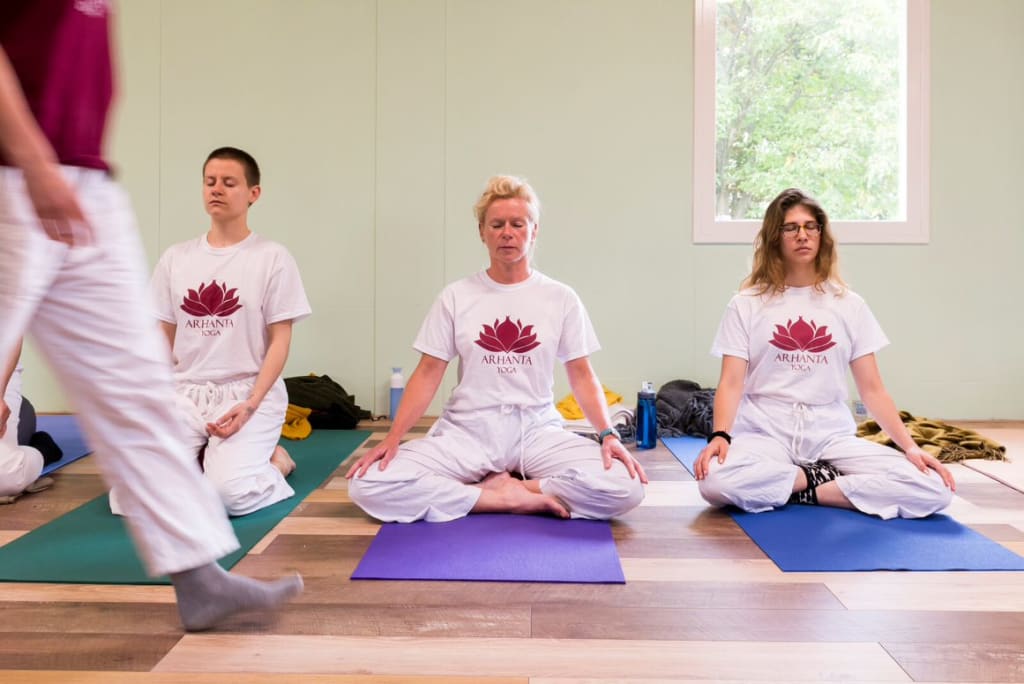
Meditation, an ancient practice with roots in various spiritual traditions, has become a cornerstone for achieving inner peace, reducing stress, and enhancing overall well-being. In today's fast-paced world, more people are turning to meditation to find balance and mindfulness. But what is meditation, and why is it gaining such widespread popularity?
Meditation involves focusing the mind and eliminating distractions to achieve a state of mental clarity and emotional calm. This practice can take many forms, from mindfulness meditation, where one pays attention to the present moment without judgment, to transcendental meditation, which uses mantras to quiet the mind.
The benefits of meditation are well-documented and include:
- Reduced stress and anxiety
- Improved concentration and focus
- Enhanced emotional health
- Better sleep quality
- Increased self-awareness
According to a study by the National Center for Health Statistics, the use of meditation in the United States has tripled in the last five years. This surge highlights the growing recognition of meditation's profound impact on mental and physical health.
As meditation continues to rise in popularity, the demand for qualified meditation teachers is also increasing. These teachers play a crucial role in guiding individuals on their journey towards mindfulness and balance. If you have a passion for meditation and wish to share its benefits with others, becoming a certified meditation teacher could be a fulfilling path for you.
Understanding the Role of a Meditation Teacher
Becoming a meditation teacher is a profound and fulfilling journey that goes beyond simply leading meditation sessions. A meditation teacher serves as a mentor, healer, and facilitator, guiding students on their path to mindfulness and inner peace.
While leading meditation sessions is a significant part of the role, a meditation teacher's responsibilities extend further:
- Mentorship: Providing personalized guidance and support to help students deepen their practice.
- Facilitation: Creating a safe and nurturing environment for meditation practices.
- Education: Teaching students about various meditation techniques and their benefits.
- Inspiration: Encouraging and motivating students to integrate meditation into their daily lives.
Mentorship and facilitation are critical components of a meditation teacher's role. A good teacher recognizes the unique needs of each student and offers tailored advice to foster growth. They also facilitate group dynamics, ensuring that all participants feel included and supported.
Key qualities of an effective meditation teacher include:
- Compassion: A deep sense of empathy and understanding for others' experiences.
- Patience: The ability to support students at their own pace.
- Knowledge: A thorough understanding of various meditation techniques and philosophies.
- Authenticity: Being genuine and practicing what they teach.
- Communication: Clear and effective communication skills.
Consider the case of Susan Miller, a successful meditation teacher who has transformed many lives through her practice. Susan's journey began with her own struggles with stress and anxiety. After discovering the benefits of meditation, she decided to share her knowledge with others. As a teacher, Susan combines her personal experiences with her extensive training to create a supportive and enriching environment for her students. Her compassionate and patient approach has earned her a loyal following and numerous testimonials from students who have experienced significant improvements in their well-being.
Exploring Different Types of Meditation Teacher Trainings
Embarking on the journey to become a meditation teacher requires choosing the right training program. With a plethora of options available, understanding the different types of meditation teacher trainings can help you make an informed decision.
Here is an overview of the various meditation teacher training programs:
- Spiritual Training: Focuses on the spiritual aspects of meditation, often incorporating teachings from ancient traditions and philosophies.
- Scientific Training: Emphasizes the scientific basis of meditation, exploring how it affects the brain and overall health.
- Therapeutic Training: Centers on the therapeutic benefits of meditation, including its use in mental health and wellness practices.
To better understand these different approaches, let's compare them in the table below:
1. Training Style: Spiritual
Focus: Ancient traditions, spiritual growth, and enlightenment
Ideal For: Individuals seeking a deep spiritual connection and understanding of meditation's roots
2. Training Style: Scientific
Focus: Neuroscience, physiology, and evidence-based practices
Ideal For: Those interested in the scientific validation of meditation and its health benefits
3. Training Style: Therapeutic
Focus: Mental health, stress reduction, and emotional well-being
Ideal For: Professionals in the wellness industry or those looking to use meditation as a therapeutic tool
Aligning the focus of the training program with your personal goals and values is crucial. Reflect on what you hope to achieve as a meditation teacher and choose a program that resonates with your vision. Whether you seek spiritual growth, scientific understanding, or therapeutic application, selecting the right program will set the foundation for your success in this fulfilling career.
Choosing the Right Meditation Teacher Training Program
Selecting the right meditation teacher training program is a pivotal step in your journey. With numerous programs available, it's essential to consider several key factors to ensure you make the best choice for your goals and aspirations.
Key Factors to Consider
- Curriculum: Evaluate the content of the program. Does it cover the meditation techniques and teaching methodologies you're interested in? Look for programs that offer a comprehensive curriculum that aligns with your interests.
- Teaching Style: Each program has its unique teaching style. Some may be more interactive and hands-on, while others might be lecture-based. Choose a style that resonates with your learning preferences.
- Accreditation: Ensure the program is accredited by a reputable organization. Accreditation guarantees that the program meets certain standards of quality and rigor.
The Importance of Instructor Credentials and Experience
The credentials and experience of the instructors can significantly impact the quality of your training. Instructors with extensive experience and recognized credentials bring valuable insights and practical knowledge to the program. Take time to research the background of the instructors to ensure they are well-qualified and respected in the field.
Checklist for Evaluating Potential Programs
To help you evaluate potential meditation teacher training programs, use the checklist below:
- Does the curriculum cover the meditation styles and techniques you want to learn?
- What is the teaching style of the program? Does it match your preferred learning method?
- Is the program accredited by a credible organization?
- What are the credentials and experience of the instructors?
- Are there positive reviews or testimonials from previous students?
- Does the program offer ongoing support or resources after completion?
By carefully considering these factors, you can choose a meditation teacher training program that will provide a solid foundation for your career and help you master the art of mindfulness.
Preparing for Your Journey as a Meditation Teacher
Becoming a meditation teacher requires significant mental and emotional preparation. Your personal growth will greatly influence your ability to guide others on their mindfulness journeys.
Mental and Emotional Preparation
- Self-awareness: Recognize your own triggers and emotional responses to better manage them.
- Empathy: Cultivate compassion for your future students to connect with them effectively.
- Resilience: Build mental resilience to navigate challenges gracefully.
Establishing a Personal Meditation Practice
A strong personal practice is essential for effective teaching. Here are some tips:
- Consistency: Dedicate time each day for meditation to reinforce your skills.
- Variety: Explore different techniques to enrich your experience and teaching toolkit.
FAQ: Common Concerns
Question: Do I need years of experience?
Answer: Not necessarily; commitment to learning is key.
Question: How do I handle difficult students?
Answer: Maintain calm and seek advice from experienced teachers.
By preparing mentally and emotionally, you lay a solid foundation for your journey as a meditation teacher. The more you invest in your growth, the more effective you will be in inspiring others.
Conclusion: Embracing Your Path as a Certified Meditation Teacher
As we've journeyed through the various aspects of meditation teacher training, it's clear that the path to becoming a certified meditation teacher is both rewarding and transformative. From understanding the multifaceted role of a meditation teacher to selecting the right training program and preparing mentally and emotionally, each step is a vital part of your personal and professional growth.
Now is the time to take the next steps towards your certification. Reflect on the following:
- Identify your goals: What do you hope to achieve as a meditation teacher?
- Research programs: Find a training that resonates with your values and aspirations.
- Commit to self-growth: Cultivate a robust personal practice to enhance your teaching skills.
"The journey of a thousand miles begins with one step." - Lao Tzu
Embrace the opportunities ahead and let your passion for meditation guide you. As you embark on this path, remember that you have the power to make a profound impact on the lives of others.
Ready to start your journey? Explore our comprehensive guide to find the perfect meditation teacher training program for you.
About the Creator
Martin Walker
Hello friends, My name is Martin Walker, I am a yoga instructor based in the United States. With over five years of teaching experience, I bring a fresh perspective and deep passion for yoga to my yoga journey.
Keep reading
More stories from writers in Longevity and other communities.
Day 4 of Quitting
If this is how sobriety feels, maybe it’s better to go through life a little buzzed… this, along with other hits like, I want to kill myself, I wish I was dead, and I’m going to throw myself off a bridge have been the only thoughts on rotation these past few days. I promise myself that if, in a month, I still feel like this (‘this’ meaning despondent, full of rage, and simultaneously numb) I can go back to smoking. Until mid-February though? Nicotine is off the table.
By sleepy drafts14 days ago in Longevity
Best Kratom Strains for Euphoria, Energy, and Mood Enhancement
Kratom, also known as Mitragyna speciosa, is a tropical tree native to Southeast Asia. People use kratom in herbal form for pain relief, mood support, and opioid withdrawal. Others use it for recreational effects such as mild euphoria, higher energy, and lower anxiety. Common formats include tea, powder, and capsules.
By Jack Wilder6 days ago in Longevity
Ludacris and Nelly draw backlash over bookings at MAGA-coded music festival
Ludacris and Nelly headlining a mostly right-wing event is good for them. It’s also great for the genre of hip hop. The two rap veterans have showcased their talents on other stages. Why can’t they perform for mostly MAGA folks and grab that bag?
By Skyler Saunders6 days ago in Beat




Comments
There are no comments for this story
Be the first to respond and start the conversation.