
Managing Anxiety: A Guide to Symptoms, Types, and Paths to Treatment
Understanding Anxiety Disorders: Know the Symptoms, Types, and Treatments

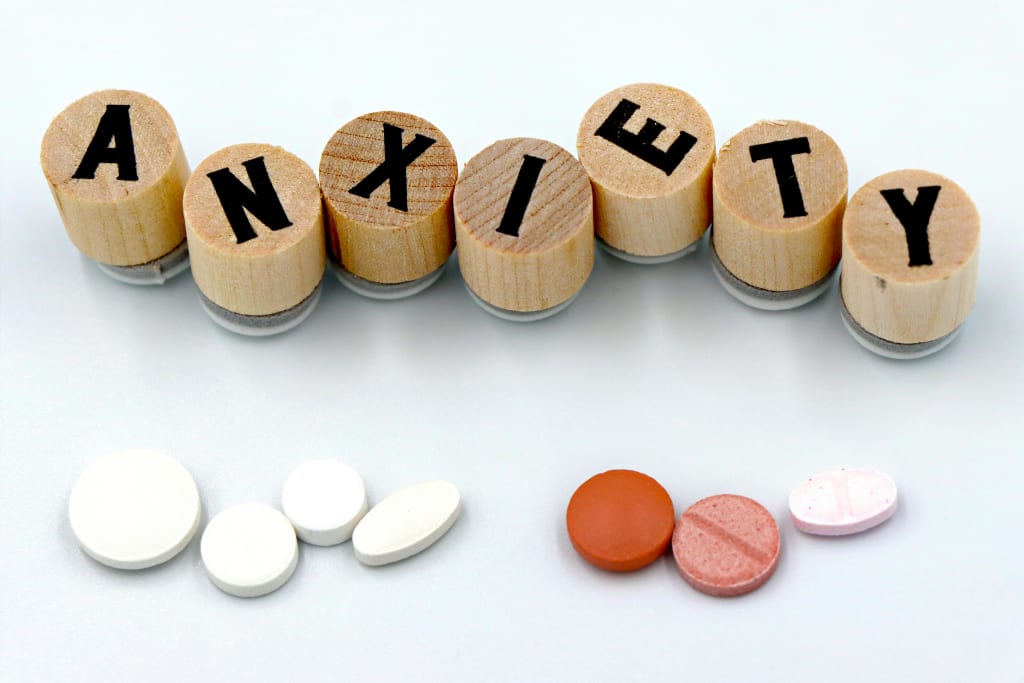
Worrying is part of life. Everyone feels anxious from time to time, whether it’s about a loved one’s health, an approaching deadline, or an important decision. However, when these worries become constant and overwhelming and begin to interfere with daily life, they may point to an underlying anxiety disorder.
Anxiety disorders are among the most common mental health conditions worldwide. According to the World Health Organization (WHO), hundreds of millions of people experience some form of anxiety disorder each year.
Women and children tend to be particularly vulnerable. Studies show that women are more likely than men to develop anxiety disorders, while an estimated 62% of children in the UAE experience symptoms of anxiety at varying levels.
What Is Anxiety Disorder?
Anxiety disorder is a mental health condition characterized by excessive, persistent fear, worry, or nervousness that goes beyond ordinary stress. While it’s normal to feel anxious before an exam or big event, anxiety disorder symptoms persist long after the stressor has passed or may even arise without a clear cause.
This constant tension can disrupt sleep, concentration, relationships, and daily functioning. In many cases, anxiety disorders worsen over time if left untreated.
Common physical and emotional symptoms include:
● Headache or dizziness
● Nausea or abdominal distress
● Muscle tension or tremors
● Shortness of breath (dyspnea)
● Heart palpitations or chest tightness
● Restlessness or irritability
● Difficulty concentrating
● Trouble falling or staying asleep
● Nightmares or mental fatigue
● Cold, clammy hands or sweating
● A sense of impending doom
While symptoms vary among individuals and anxiety disorder types, persistent distress and avoidance behaviors are common across all forms.
Different Types of Anxiety Disorders
Anxiety disorders come in many forms. Understanding the type can help determine the best anxiety treatment plan and coping strategies.
1. Generalized Anxiety Disorder (GAD)
People with GAD experience constant, exaggerated worry about everyday matters such as finances, work, or health. The anxiety often feels uncontrollable and disproportionate to the actual situation. Those affected may feel on edge throughout the day, struggle to relax, and find it difficult to perform daily activities due to overwhelming dread.
2. Panic Disorder
Panic disorder involves sudden, intense episodes of fear known as panic attacks. These attacks can include rapid heartbeat, sweating, trembling, and shortness of breath. During a panic attack, a person may feel like they’re losing control or even having a heart attack.
Between episodes, they often develop anticipatory anxiety, fearing when or where the next attack might occur. This fear can lead to avoidance of specific places or situations. It’s important to note that having a single panic attack does not necessarily mean someone has panic disorder.
3. Social Anxiety Disorder (SAD)
Also known as social phobia, this condition is marked by an intense fear of being judged, embarrassed, or rejected in social settings. Individuals with SAD may avoid speaking in public, meeting new people, or even making eye contact.
Physical symptoms such as sweating, trembling, blushing, or stomach upset often accompany social interactions. Over time, avoidance can lead to isolation, which can affect both personal and professional life.
4. Separation Anxiety Disorder
Most common in children, separation anxiety disorder involves excessive fear or distress about being apart from loved ones or primary caregivers. The child may worry that something terrible will happen while separated, leading to tantrums, sleeplessness, or reluctance to attend school.
Adults can also experience this condition. They may feel uneasy or panicked when away from a spouse or family member and constantly worry about their safety.
5. Agoraphobia
Agoraphobia is the fear of being in situations where escape might be difficult or help unavailable. Those affected may avoid crowded places, public transportation, or open spaces. Some become so anxious that they rarely leave their homes. The condition often develops after panic attacks, as individuals associate certain places with the fear of being trapped or helpless.
6. Specific (Simple) Phobias
Specific phobias are intense, irrational fears of particular objects or situations. Common examples include:
● Arachnophobia - fear of spiders
● Claustrophobia - fear of enclosed spaces
● Acrophobia - fear of heights
● Aerophobia - fear of flying
● Mysophobia - fear of germs or contamination
● Cynophobia - fear of dogs
● Aquaphobia - fear of water
Even though the feared object may pose little to no real danger, the anxiety response can be overwhelming and lead to avoidance behaviors that disrupt daily life.
7. Selective Mutism
Typically seen in children under five, selective mutism is the inability to speak in specific settings such as school or public places, despite being able to talk comfortably at home. It’s often linked to social anxiety and may be accompanied by extreme shyness, clinginess, or temper outbursts. Early diagnosis is key to preventing long-term communication difficulties.
Treating Anxiety Disorders
The good news is that anxiety disorders are highly treatable. A combination of therapy, brain training, and medication can help individuals regain control over their thoughts and emotions.
● Psychotherapy: Psychotherapy, especially Cognitive Behavioral Therapy (CBT) and Acceptance and Commitment Therapy (ACT), is one of the most effective approaches. Through structured sessions, individuals learn to identify negative thinking patterns, challenge irrational fears, and develop healthier coping mechanisms. Over time, therapy can help reframe anxious thought processes and restore confidence.
● Neurofeedback Therapy: Neurofeedback therapy, a popular anxiety treatment, is brain training. The system provides real-time feedback by monitoring brainwave patterns associated with anxiety, helping the brain learn to calm itself. With consistent sessions, individuals can strengthen emotional control and reduce anxiety symptoms naturally.
● Medication: In some cases, doctors may prescribe anti-anxiety medications or antidepressants to manage symptoms. These medications help balance brain chemicals that influence mood and stress responses. Medication is often combined with therapy for more effective, long-term results.
Diagnosis Is the First Step Toward Healing
According to the WHO, proven and effective treatments exist for anxiety disorders, but unfortunately, only one in four people receives them. Lack of awareness, stigma, and self-doubt often prevent individuals from seeking professional help.
If your loved one or you yourself show signs of chronic anxiety, it’s important to consult a qualified mental health professional. Diagnosis is the first and most crucial step toward recovery. With early intervention, consistent therapy, and support, individuals can lead balanced, fulfilling lives free from the grip of excessive fear and worry.
Remember: Anxiety disorders are treatable, and recovery is possible. Seeking help is not a sign of weakness, it’s a courageous step toward mental and emotional well-being.
About the Creator
The Everyday Edit
The Everyday Edit is your go-to for smart choices, cozy spaces, and healthy stylish living. From wellness tips and parenting wins to home hacks and fashion finds, we help make everyday life feel curated, calm, and anything but ordinary.
Keep reading
More stories from The Everyday Edit and writers in Longevity and other communities.
Day 4 of Quitting
If this is how sobriety feels, maybe it’s better to go through life a little buzzed… this, along with other hits like, I want to kill myself, I wish I was dead, and I’m going to throw myself off a bridge have been the only thoughts on rotation these past few days. I promise myself that if, in a month, I still feel like this (‘this’ meaning despondent, full of rage, and simultaneously numb) I can go back to smoking. Until mid-February though? Nicotine is off the table.
By sleepy drafts6 days ago in Longevity



Comments