

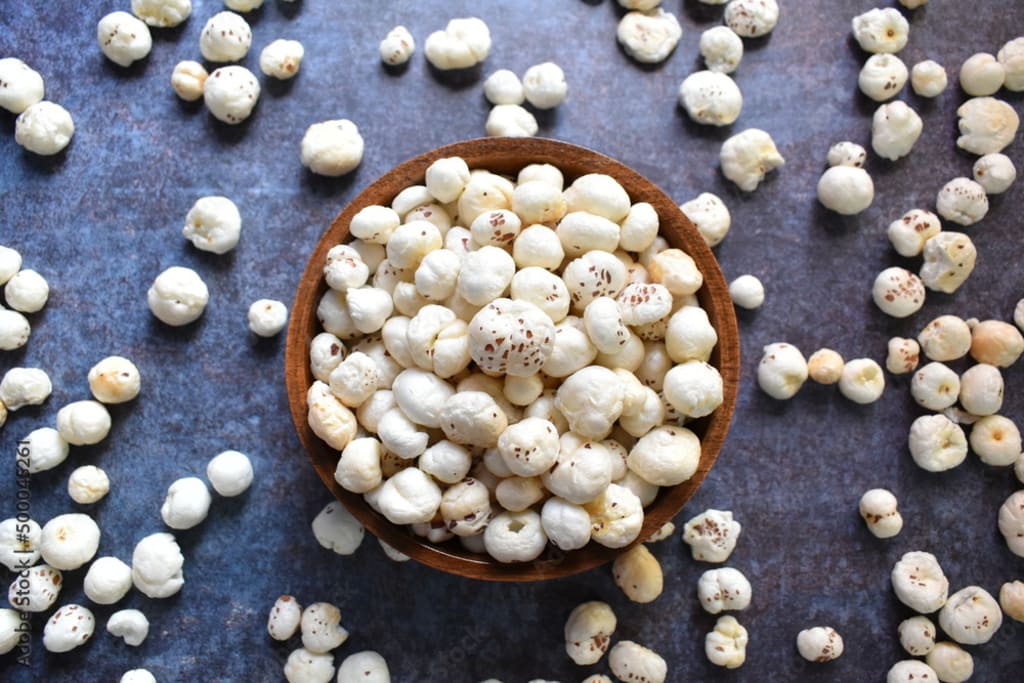
Makhana, also known as fox nuts or lotus seeds, is a popular snack in Indian cuisine. Makhana comes from the seeds of the lotus plant, which is native to Asia and the Middle East.
Makhana has been consumed in India for thousands of years and is often used in traditional Ayurvedic medicine to treat a variety of ailments. It is also considered a highly nutritious food and is a popular ingredient in many vegetarian and vegan recipes.
Some of the health benefits of makhana include:
- Rich in nutrients: Makhana is a good source of protein, fiber, and essential minerals like calcium, magnesium, and potassium.
- Low in calories: Makhana is low in calories and fat, making it an excellent snack for weight management.
- Antioxidant properties: Makhana contains flavonoids, which have antioxidant properties that can help protect against free radical damage and prevent chronic diseases.
- Anti-inflammatory properties: Makhana contains compounds that have anti-inflammatory properties, which can help reduce inflammation in the body and prevent chronic diseases.
- Promotes digestion: Makhana is high in fiber, which can help improve digestion and prevent constipation.
- Lowers blood pressure: Makhana contains compounds that have been shown to lower blood pressure and improve cardiovascular health.
Additionally, makhana is also a good source of carbohydrates, making it an excellent food for providing energy to the body. It is also gluten-free, making it a good option for people with celiac disease or gluten intolerance.
Makhana is also considered a good food for improving cognitive function. It contains thiamine, a B-vitamin that is essential for brain health and cognitive function. Thiamine helps the body convert carbohydrates into energy and is important for the production of acetylcholine, a neurotransmitter that is essential for memory and learning.
In Ayurvedic medicine, makhana is often used to treat a variety of conditions, including insomnia, anxiety, and stress. It is also used as a natural remedy for diarrhea, dysentery, and other digestive disorders.
Makhana is a versatile ingredient that can be used in a variety of dishes. It can be roasted, popped, or ground into a flour to make a variety of snacks and dishes. Roasted makhana with spices is a popular snack in India, while makhana kheer, a sweet dish made with makhana, milk, and sugar, is a popular dessert.
One of the unique properties of makhana is that it is high in an amino acid called tryptophan. Tryptophan is essential for the production of serotonin, a neurotransmitter that regulates mood, appetite, and sleep. Consuming makhana can help increase the production of serotonin in the body, which can help improve mood and reduce anxiety.
Makhana is also believed to have anti-aging properties. It contains kaempferol, a flavonoid that has been shown to reduce oxidative stress and prevent cellular damage. Oxidative stress is a major contributor to the aging process and can lead to the development of chronic diseases such as cancer, diabetes, and heart disease.
It's important to note that while makhana is generally considered safe and healthy, it is important to consume it in moderation as it is high in carbohydrates. Consuming too much makhana can lead to weight gain and other health issues.
Additionally, some people may be allergic to lotus seeds, so it is important to be cautious when trying makhana for the first time. It's always a good idea to consult with a healthcare professional before making any significant changes to your diet.
In conclusion, makhana is a nutritious and healthy food that provides many health benefits. It is a good source of protein, fiber, and essential minerals and is low in calories and fat. Makhana is also a good food for improving cognitive function and is used in traditional Ayurvedic medicine to treat a variety of ailments.
About the Creator
Karthik Raj
I am a cool guy
Keep reading
More stories from Karthik Raj and writers in Longevity and other communities.
Amazon Savings Secrets for Disabled & Chronically Ill Shoppers
Disabled and chronically ill people often pay more for basic life: delivery fees, specialty items, replacements for things that break faster, and the constant “convenience tax” of needing things shipped because stores aren’t accessible.
By Tracy Stineabout 6 hours ago in Longevity
Tatt~Master
— Assembly Line Tatt Machine ~ Impressions to Impress — As I begin to understand more about the Tattoo Phenomenon. I've written silly, yet verbatim, dating site anecdotes in 'Frazzled.' So let me ask you: Would you be More attracted to someone slathered with tattoos, or Less?
By Jay Kantor3 days ago in Humor


Comments
There are no comments for this story
Be the first to respond and start the conversation.