
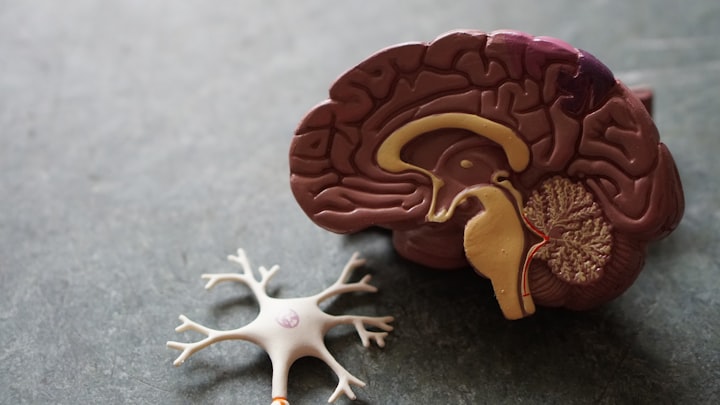
Experts used to think brain development peaked in late adolescence and it was all downhill from there. They believed if a person lost brain cells due to problems like a head injury, stroke or substance abuse, nothing could be done to restore memory and brain function. Now, thanks to discoveries in neuroscience, we know that the brain can grow new cells and form new neural connections. Like our muscles and other body parts, the brain can rebuild itself through repeated use and exercise.
This is great news for people who intend to live a long time. It means we can prevent memory loss by focusing on mental, physical, and social activities that promote healthy brain development. Even people with Alzheimer’s disease and other dementias can benefit from a healthy lifestyle. This also improves your memory
It may help to think about your brain as a reservoir, gathering rainfall for use over time. The process starts before birth as the brain begins to develop, collecting “reserves” to spend later on. The exchange continues throughout life, as your brain responds to your experiences and environment. It continues life long.
What’s the key to keeping your mind sharp and your brain healthy as you grow older?
The truth is, there’s no single “miracle cure” for memory problems or other brain changes that come with ageing. But there is cause for optimism. Science points to a combination of social factors and healthy habits that—taken together—can help you build, preserve, and protect your brain’s function over time.
How to improve your brain health?
Here are 7 tips for filling—and not draining—your reservoir of brain power:
1. Keep your mind stimulated.
Games and puzzles are great. But also consider volunteer and social activities that keep you independent and engaged with friends and family. For example, learn new computer skills; participate on a board, in a book club, or dance group; or try gardening, crafts, or cooking.
2. Minimize stress and anxiety.
Hormones secreted when you’re under stress have a stronger effect on older brains, challenging your ability to recover from emotional upset. So take change slowly and learn ways to cope with anxiety or tension.
3.Sleep well.
Inadequate sleep is linked to slower thinking, brain fog and risk of dementia. Seven to nine hours a night is best. But be wary of sleep medications that can make cognitive problems worse. Instead, talk to your doctor about “sleep hygiene”—that is, habits to help your body settle down at bedtime.
4.Exercise regularly for 15 minutes
Daily physical exercise has been shown to prevent or postpone your risk for Alzheimer’s disease and other dementias. As little as 15 to 30 minutes a day can make a lot of difference.
5.Take care of your heart health.
A healthy brain requires a good cardiovascular system. If you have high blood pressure, high cholesterol, diabetes, or atrial fibrillation, follow your doctor’s advice.
6. Avoid a high-sugar diet.
High blood sugar can increase your risk for heart attack, dementia, even without diabetes. So avoid highly sweetened foods like sodas and candy.
7. Take SYNAPSE XT regularly
Taking SYNAPSE XT regularly will improve your brain health.
About the Creator
Keep reading
More stories from writers in Longevity and other communities.
Day 4 of Quitting
If this is how sobriety feels, maybe it’s better to go through life a little buzzed… this, along with other hits like, I want to kill myself, I wish I was dead, and I’m going to throw myself off a bridge have been the only thoughts on rotation these past few days. I promise myself that if, in a month, I still feel like this (‘this’ meaning despondent, full of rage, and simultaneously numb) I can go back to smoking. Until mid-February though? Nicotine is off the table.
By sleepy drafts22 days ago in Longevity
How Light Signals Followed Me Home From Work
For a long time, I thought leaving work meant leaving work behind. I would shut down my computer, walk out of the building, and head home expecting my body to follow. Mentally, I was done. Physically, I was tired. Yet something lingered.
By illumipure7 days ago in Longevity


Comments
There are no comments for this story
Be the first to respond and start the conversation.