
Longevity Hacks from Blue Zones: What the World’s Healthiest People Do Differently
The surprising daily habits of people who live to 100 — and how you can adopt them.

I. The Secret Places Where Time Moves Slowly
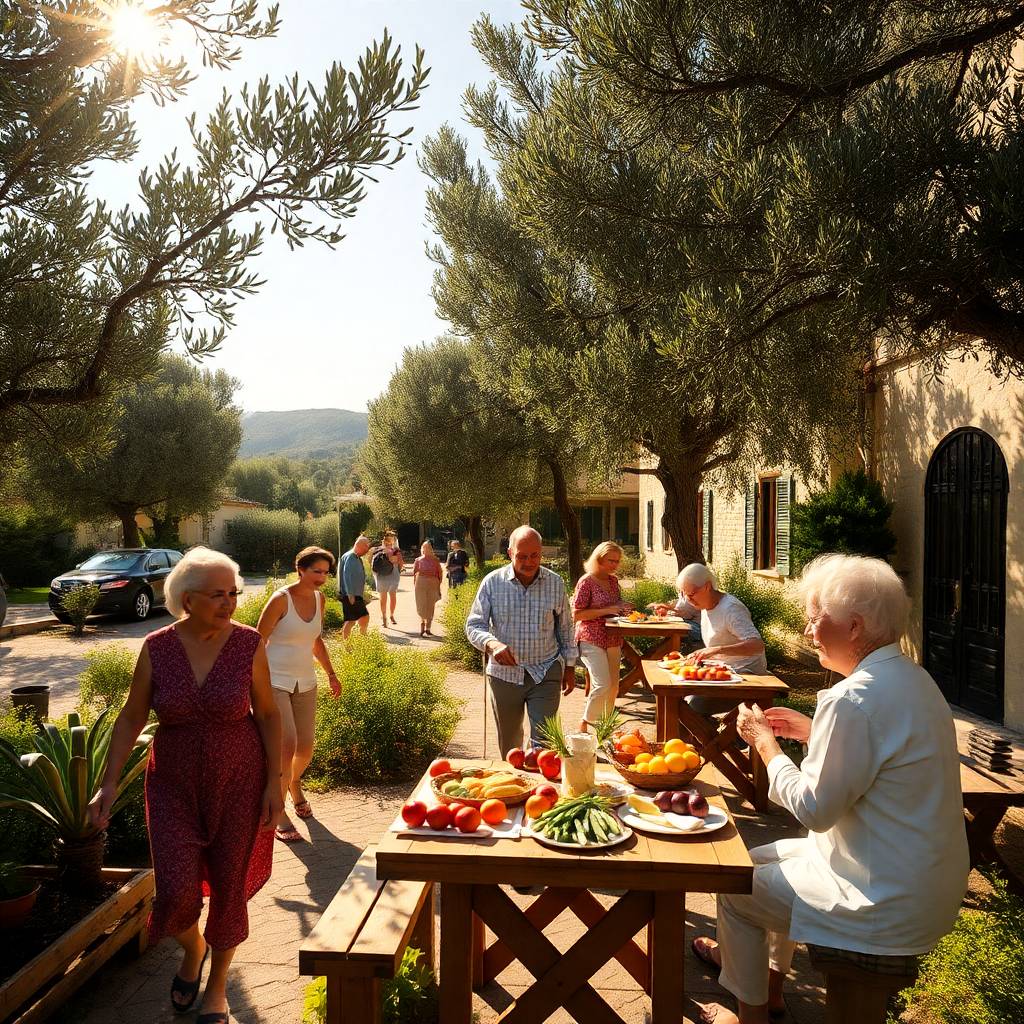
Across the globe, there are small, almost magical pockets where people seem to defy time itself. In these places, living past 90 or even 100 isn’t unusual — it’s expected. Scientists call these regions Blue Zones.
The concept began when explorer and researcher Dan Buettner set out with National Geographic to uncover the world’s longevity hotspots. He found five regions where people consistently live longer, healthier lives:
Okinawa, Japan
Sardinia, Italy
Nicoya Peninsula, Costa Rica
Ikaria, Greece
Loma Linda, California (USA)
These places are scattered across the map, but their people share surprisingly similar habits. What makes them live so long? Spoiler: It’s not expensive supplements or high-tech gyms. It’s lifestyle — simple, natural, and deeply human.
II. Food as Medicine — The Power of a Plant-Based Diet
In all Blue Zones, food is not just fuel — it’s a way of life. Most people eat mostly plants, especially vegetables, beans, whole grains, and nuts. Meat is rare, usually eaten only a few times a month.
In Okinawa, for instance, the traditional diet is rich in purple sweet potatoes, tofu, and vegetables from their gardens. In Sardinia, residents enjoy lentil soup, whole-grain bread, and red wine — all part of a Mediterranean diet.
What’s missing from their tables? Processed foods, sugary drinks, and industrial oils. Meals are slow, shared, and satisfying — not rushed between emails or eaten from plastic containers.
Scientific research backs this up: plant-based diets are linked to lower risks of heart disease, cancer, and diabetes. The fiber and antioxidants in plants reduce inflammation — one of the main drivers of aging.
If you want to eat like a centenarian, start small:
Add beans to your lunch.
Replace snacks with nuts or fruit.
Make dinner more about vegetables and less about meat.
You don’t need to give up everything — just shift the balance toward nature’s foods.
III. Movement That Feels Natural
Here’s a secret: none of the world’s longest-living people go to the gym. Instead, they move naturally all day.
In Sardinia, shepherds walk miles across the hills daily. In Nicoya, people still chop wood, garden, and cook from scratch. Movement is woven into their daily lives — not something they “schedule.”
This constant low-level activity keeps their muscles strong, joints flexible, and hearts healthy. They don’t run marathons, but they rarely sit for hours either.
For the rest of us, the takeaway is simple:
Walk more (even short walks add up).
Use stairs instead of elevators.
Do light chores or gardening.
Stretch daily.
Movement should feel natural and joyful, not a punishment. Your body is built for motion — treat it like the incredible machine it is.
IV. The Power of Purpose (“Ikigai”)
In Okinawa, elders often speak of their ikigai — a Japanese word meaning “a reason to wake up in the morning.” It might be tending a garden, caring for grandchildren, or running a small business.
Having purpose is not about grand success; it’s about meaning. Studies show that people with a clear sense of purpose live longer and are less likely to suffer from depression or heart disease.
In Blue Zones, retirement doesn’t really exist — people stay active and engaged their entire lives. Their value isn’t defined by age, but by contribution.
Ask yourself: What gives my life meaning?
It might be creativity, service, learning, or connection. Nurturing that purpose could be as powerful as any supplement or medicine.
V. Strong Social Connections
Loneliness is one of the biggest silent killers in modern society. But in Blue Zones, community is medicine.
In Ikaria, neighbors drop by unannounced for tea and laughter. In Sardinia, families live close together for generations. In Loma Linda, the faith-based community supports each other physically and emotionally.
Human connection strengthens immunity, reduces stress hormones, and improves mental health. People who belong to strong social groups live, on average, 8–14 years longer.
Modern life makes this harder, but you can rebuild community:
Share meals with friends or family.
Volunteer or join a local club.
Spend time in person, not just online.
Your body thrives when it feels connected.
VI. Stress Relief, the Blue Zone Way
Even the healthiest people experience stress — but they manage it differently.
In Ikaria, they nap. In Loma Linda, they pray. In Okinawa, they pause daily to honor ancestors. Each group has small rituals that bring peace and perspective.
Chronic stress ages the body by shortening telomeres, the protective caps on our DNA. Relaxation, gratitude, and spiritual practices help slow that process.
Try incorporating these habits:
Take short breaks to breathe deeply.
Practice gratitude before meals.
Spend time in nature daily.
Stress will always exist — but your response can heal or harm you.
VII. The Hidden Ingredient: Belonging
Every Blue Zone shares a sense of belonging — to a community, a tradition, or a higher purpose. Whether it’s church, family, or friendship, this deep-rooted connection gives life structure and joy.
In contrast, isolation, disconnection, and constant busyness weaken both mind and body. Health is not only physical — it’s emotional, social, and spiritual.
VIII. How to Bring Blue Zone Wisdom Into Your Life
You don’t need to move to a Greek island to live longer. You can create your own “Blue Zone” right where you are. Start with these simple steps:
Eat mostly plants.
Move naturally every day.
Find your purpose (ikigai).
Stay connected to people you love.
De-stress regularly — through rest, prayer, or nature.
Longevity isn’t about adding years to your life — it’s about adding life to your years.
So take a deep breath, cook something from the earth, call a friend, and go for a walk in the sunshine.
You may not notice the years passing — but they’ll likely be more beautiful and abundant.
About the Creator
Keep reading
More stories from arsalan ahmad and writers in Longevity and other communities.
The Immune System’s Peacekeepers: How the 2025 Nobel Discovery Could Transform Autoimmune and Cancer Treatment
I. A New Hope for the Immune System Imagine a defense force so powerful it could destroy invaders instantly — yet wise enough to never harm its own people.
By arsalan ahmad5 months ago in Longevity
The Biomechanics of Better Steps
Most people assume that better walking begins with stronger muscles. Walking is not just a muscular act — it is a neurological performance. Every step is shaped by a constant exchange of information between your feet and your brain. This communication system, known as the sensory motor network, determines how stable and confident your movement feels.
By AhmedFitLife6 days ago in Longevity



Comments
There are no comments for this story
Be the first to respond and start the conversation.