
Lie down early if you can't sleep?
insomnia

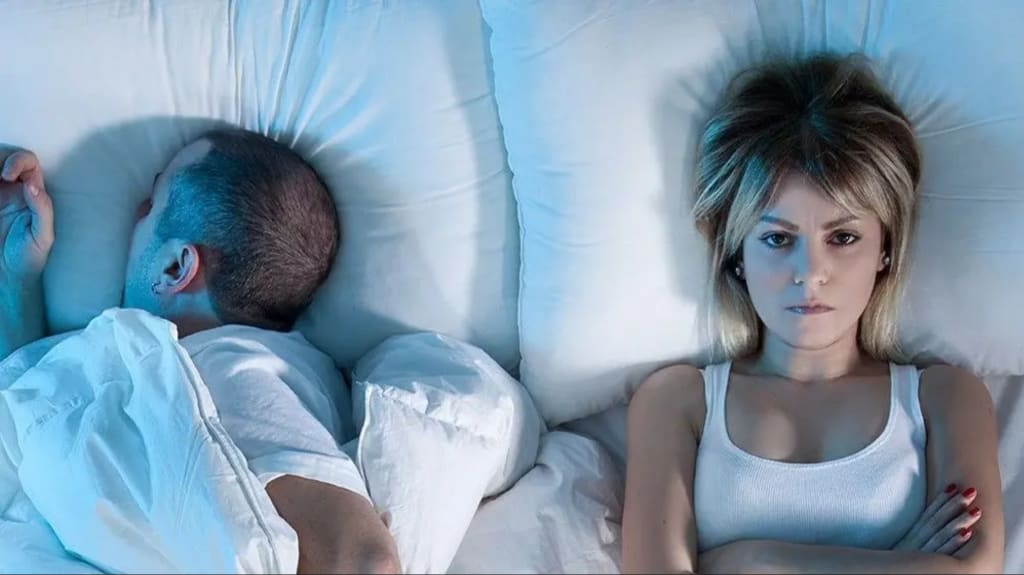
Lie down early if you can't sleep? May not work
There are different opinions on the definition of insomnia, but not all "insomnia" can be called insomnia. Insomnia is a type of sleep disorder. It is the patient's dissatisfaction with the time and quality of sleep, which leads to the decline of social function and affects the subjective experience of social function during the day. Long-term chronic insomnia, in addition to affecting the patient's social function and life, can also cause other system diseases. Based on the common consultation questions of several major types of insomnia patients, I will talk to you about those things about insomnia today:

First of all, not satisfying the "7 hours" of sleep must be quality sleep. The so-called 7 hours of sleep is just a reference value derived from big data. Understanding your own sleep patterns is the basis for individualized sleep management. There is a correlation between sleep time itself and age. Under normal circumstances, young people have more needs for sleep, and sleep time will gradually shorten as they age.
Secondly, lying down early does not mean that you can fall asleep early. Many people with sleep disturbances have a misunderstanding, "As long as I lie down early enough, insomnia can't catch up with me." Please stay awake. For normal people, the ratio of awakening time to sleep time within 24 hours is almost fixed. It all depends on the nerve cells in our brain to release the corresponding neurotransmitters, which is the so-called "sunrise and sunset." And rest".
These neurotransmitters will also fluctuate with the rhythm of each of us "biological clock". When you "go against the sky" and have to lie down early, you are forcing your body to re-establish a new biological clock. In this case, there are often two results. After lying down, you still stay up until midnight before falling asleep. I woke up in the middle of the night and opened my eyes until dawn. Therefore, doctors usually do not recommend that people with sleep problems lie down early at night.
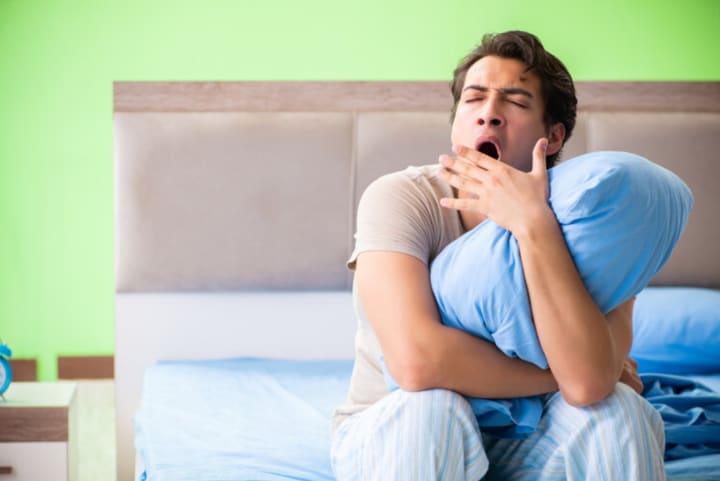
On the contrary, we recommend that patients shorten the time of daytime sleep, increase the amount of daytime activity, appropriately extend bedtime, and create a good sleeping environment (quiet, dim, choose comfortable mattresses and pillows, and do not overheat or cool the bedroom. , Avoid enjoying euphoric videos, music or books before going to bed), soaking your feet or taking a hot bath before going to bed (remember to dry your hair before going to bed) all help to initiate a good sleep mood.
Finally, a bad mood is a stumbling block to good sleep. Usually, when patients go to the doctor for insomnia, they will be questioned by the doctor's soul, "What are the incentives lately? Tiredness, mood swings, and work pressure?" Indeed, many patients with insomnia are mentally psychological. Symptomatic. The most common are anxiety and depression. This type of person usually expresses "It is easy to think randomly at night, nightmares increase at night, and some people also experience somatization disorders such as dizziness, headache, gastrointestinal discomfort, fatigue, profuse sweating, frequent urination, and urgency. Therefore, many insomnia with psychological symptoms Patients need to adjust their sleep and mood at the same time.

Only a two-pronged approach can break this vicious circle. It is wise to clarify the reasons for your bad mood, and at the same time not to resist emotion-regulating drugs, go to the neurology department, sleep department or psychiatric department of a regular hospital to clarify the cause of insomnia and give reasonable intervention. select.
All in all, don't ignore sleep problems, don't exaggerate your occasional sleep disturbances, face insomnia with the correct attitude, try to maintain a good mood, and respect the doctor's guidance, in order to keep "insomnia" away from you.
About the Creator
Keep reading
More stories from writers in Longevity and other communities.
Day 4 of Quitting
If this is how sobriety feels, maybe it’s better to go through life a little buzzed… this, along with other hits like, I want to kill myself, I wish I was dead, and I’m going to throw myself off a bridge have been the only thoughts on rotation these past few days. I promise myself that if, in a month, I still feel like this (‘this’ meaning despondent, full of rage, and simultaneously numb) I can go back to smoking. Until mid-February though? Nicotine is off the table.
By sleepy drafts24 days ago in Longevity
A Letter to the Firestarter
Dear Firestarter, We can all see you, we've been watching you since you began. In case you didn't know we were here before you and we will be here after. We witnessed your rise, your setbacks, your guilt and your lies. We witnessed you start the fire.
By Donny Foleya day ago in Poets



Comments
There are no comments for this story
Be the first to respond and start the conversation.