
Is Eating Bananas Before Bed a "Sleep Aid" or a "Health Trap"?
Scientific Analysis of the Truth and Risks of Bananas for Sleep

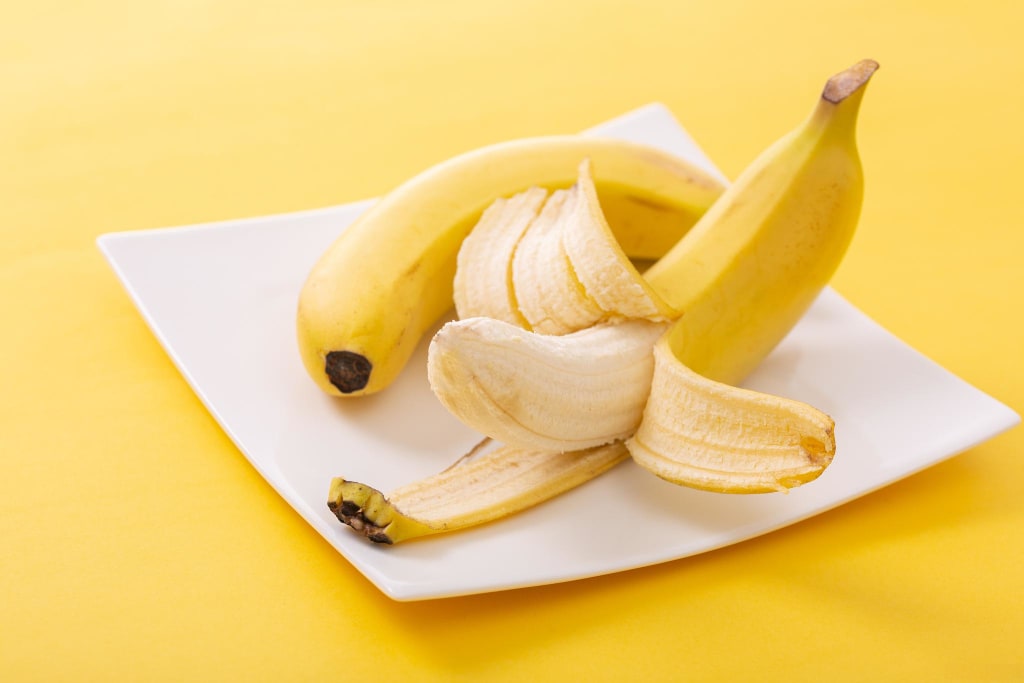
Unlocking the Sleep-Inducing Secrets of Bananas: Nature's Sleep Aid
Bananas, a globally beloved fruit, hold a sweet secret to promoting better sleep, all thanks to their unique nutritional blend. Every 100 grams of banana contains approximately 12 milligrams of tryptophan, an essential amino acid that serves as a precursor to melatonin, the hormone regulating our circadian rhythm. Coupled with bananas' vitamin B6 content, which accelerates the conversion of tryptophan into melatonin, this dynamic duo can significantly adjust your internal body clock. Studies reveal that consuming foods rich in tryptophan can reduce the time it takes to fall asleep by around 17 minutes, particularly beneficial for those struggling with insomnia.
Moreover, bananas supply about 27 milligrams of magnesium, hailed as a "natural sedative." Magnesium works wonders in relaxing muscles and alleviating tension, making it especially valuable for individuals under high stress. Clinical observations have demonstrated that regular magnesium supplementation in insomnia patients leads to an average increase of 23 minutes in deep sleep duration.
Potential Risks Lurking Behind the Slumber
Blood Sugar Fluctuations: A Hidden Threat
With a moderate glycemic index (GI) ranging from 51 to 56, bananas pose a risk for those sensitive to blood sugar levels. Alarmingly, 42.7% of diabetic patients have experienced nocturnal blood sugar abnormalities after eating at night. For this group, opting for unripe bananas and limiting intake to half a banana or less, while monitoring blood glucose response, is advisable.
Digestive System Overload
The 2.6 grams of dietary fiber per 100 grams of banana may exacerbate gastrointestinal burdens. Given that about 18.3% of insomnia sufferers have gastrointestinal disturbances, it's recommended to consume bananas at least an hour before bedtime, ideally avoiding them within 30 minutes of hitting the hay.
Allergy Alert
A small fraction, 0.6-1.2%, of the population may be allergic to bananas, exhibiting symptoms like itchy mouths or breathing difficulties. Those with known allergies should start with a small portion and wait 2-3 hours for any reaction before considering them as part of their bedtime routine.
Science-Backed Eating Strategies
The Golden Window of Consumption
Consuming bananas 1-2 hours before bedtime yields optimal results. Eating too early may prematurely trigger melatonin production, while too late can overburden digestion. Research indicates that eating half a banana at 9 PM maximizes the likelihood of falling asleep by 11 PM.
Precision Portion Control
For adults, half to one banana (50-100 grams) is suggested, with children requiring half that amount. Studies show that 75 grams of banana can shorten sleep onset by 8.7 minutes, but exceeding 150 grams diminishes effectiveness.
Synergy in Pairing
Banana + Milk: This combination enhances sleep efficiency by 22.6% due to the synergistic effects of calcium, magnesium, and potassium.
Banana + Nuts: Almonds or walnuts add extra tryptophan and healthy fats.
A recommended "sleep-friendly" ensemble includes half a banana, 200ml of warm milk, and 5 almonds, consumed 90 minutes before bedtime.
Tailored Advice for Special Groups
Pregnant Women: As 68.2% of expectant mothers in their second and third trimesters face sleep issues, having a banana during dinner instead of before bed can prevent acid reflux.
Elderly: Given that 43.5% of seniors grapple with sleep disorders, they should limit themselves to 1/3 to 1/2 of a banana before bed, ensuring thorough chewing.
Children: A 30-50 gram serving of bananas an hour before bedtime is suitable, avoiding concurrent consumption with sugary drinks.
Practical Tips for Optimal Enjoyment
Ripeness Matters: Choose slightly green-tipped (70% ripe) bananas for lower glycemic impact and balanced fiber content.
Storage Hack: Wrapping the stems in plastic wrap before refrigerating (above 12°C) extends shelf life by 3-5 days.
Frequency Check: Evaluate effects after continuous use for 5-7 days, adjusting every 2-3 weeks as needed.
While bananas are dubbed the "fruit of sleep," individual responses vary. It's crucial to tailor consumption based on personal circumstances and integrate it into a comprehensive sleep management plan rather than relying solely on it. By combining scientific knowledge with consistent habits, one can fully harness bananas' potential to usher in a restful night's sleep.
About the Creator
Anthony Davis
Welcome to our health hub! We share tips and updates on wellness, fitness, weight management, we empower you to reach your goals and enhance your life. Join us for a healthier, happier you!
Keep reading
More stories from Anthony Davis and writers in Longevity and other communities.
Cancer Prevention: How Sleep, Hydration, and Daily Habits Can Reduce Your Risk
I. The Link Between Sleep Deprivation and Cancer Risk Chronic sleep disruption has a direct biological impact on immune function. A 2023 study from Harvard Medical School revealed that individuals who sleep less than six hours daily face a 37% higher cancer risk compared to those with adequate sleep. This correlation is tied to the critical overnight repair window (11:00 PM – 3:00 AM), during which sleep deprivation reduces natural killer (NK) cell activity by 70%, impairing the body’s ability to detect and eliminate cancerous cells.
By Anthony Davis11 months ago in Longevity
A wildflower in California reveals a newly documented evolutionary process
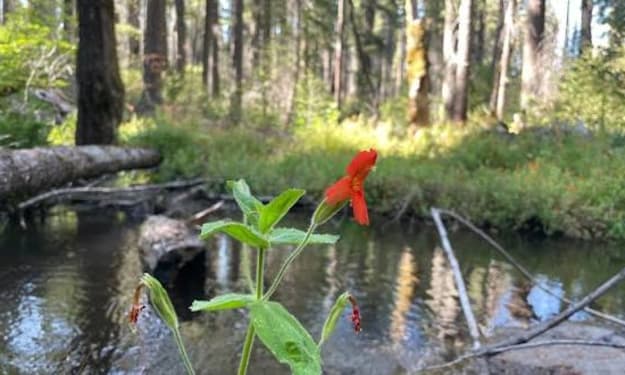
In a remarkable breakthrough for evolutionary biology, researchers studying wildflower populations in California have documented one of the clearest cases yet of rapid genetic evolution occurring in nature. The findings, centered on the bright red scarlet monkeyflower (Mimulus cardinalis), reveal how some plant populations were able to adapt and recover following the region’s most severe drought in over a millennium — providing tangible evidence of an evolutionary process known as evolutionary rescue. The scarlet monkeyflower, a wildflower native to moist areas along streams and springs in California, has long been familiar to botanists and hikers alike for its vivid blooms and distinctive habitat. However, during the early 2010s, California experienced an unprecedented megadrought that lasted several years, killing hundreds of millions of trees and dramatically altering the ecological landscape. While many plant species suffered catastrophic declines, some populations of Mimulus cardinalis showed a surprising resilience. Scientists from multiple institutions undertook a long‑term study to understand how this wildflower weathered such extreme conditions. Over eight years, researchers tracked 55 populations of the monkeyflower across its natural range, closely monitoring their numbers and health. They also conducted whole‑genome sequencing to observe genetic changes over time, looking for evidence that natural selection had acted on specific traits. The results were illuminating. At sites where populations had nearly collapsed — with numbers dropping by as much as 90% — genetic analysis revealed consistent shifts in allele frequencies across the genome. These shifts were not random; they were associated with traits that likely enhanced drought tolerance, enabling some individuals to survive and reproduce where others perished. As these “advantaged” genotypes became more common, the population as a whole began to recover, a hallmark of what biologists call evolutionary rescue. Evolutionary rescue occurs when the genetic variation present within a population allows it to adapt fast enough to avoid extinction under sudden environmental stress. While theoretical models have long predicted such processes, direct evidence in the wild—especially involving plants—has been limited. This study is among the first to document genomic changes in natural plant populations that are clearly linked to a major environmental crisis. For decades, evolutionary biologists have debated how quickly natural selection can operate in real‑world scenarios. Classic case studies like Darwin’s finches in the Galápagos have demonstrated adaptive changes in beak shape over a few generations. But plant studies have often lagged behind, in part because many species have long lifecycles or reproduce clonally, making rapid evolution harder to detect. The California wildflower case breaks new ground by combining long‑term fieldwork with cutting‑edge genomic analysis. Researchers noted that the recovery of the monkeyflower populations did not happen overnight — it took roughly two to three growing seasons for numbers to rebound significantly. Yet in evolutionary terms, this pace is considered rapid. The drought likely imposed intense selective pressure, filtering out less drought‑tolerant genotypes and leaving behind a smaller cohort better suited to the harsh conditions. As these were the individuals contributing more seeds to the next generation, their genetic traits spread through the population. The implications of this research extend beyond wildflowers. As climate change accelerates and extreme weather events become more frequent, scientists are increasingly interested in how species will respond — whether through behavioral changes, migration, or evolutionary adaptation. Cases like Mimulus cardinalis suggest that some species may harbor the genetic diversity necessary to adapt swiftly when environments change dramatically. However, not all species will be so fortunate, and the mechanisms of evolutionary rescue are still not fully understood. “This is one of the clearest cases we've seen where a wild plant species shows genomic evidence of adapting to extreme environmental stress,” said one of the study’s lead authors. “It gives us hope that under certain conditions, natural selection can work fast enough to help populations persist — but it also raises many questions about the limits of such adaptation.” The study’s methods also signal a new era in ecological research. By combining consistent field monitoring with high‑resolution genetic data, scientists can now track evolution as it happens rather than inferring processes from fossils or distant historical records. This “real‑time” view of evolution may become vital for conservation efforts, helping biologists identify which populations are most at risk and which may have the inherent capacity to adapt. For conservationists, the findings underscore both the resilience and vulnerability of natural ecosystems. While some populations like the scarlet monkeyflower demonstrate extraordinary adaptive potential, others with limited genetic diversity may face a greater threat of decline or extinction as climates shift. Understanding the genomic underpinnings of adaptation could therefore inform strategies to protect biodiversity in a warming world. As research progresses, scientists hope to explore similar evolutionary dynamics in other species and regions. The California wildflower study stands as a testament to the power of modern genomics and long‑term ecological research — and a reminder that evolution, far from being a slow, imperceptible force, can sometimes unfold before our eyes.
By Fiaz Ahmed about 3 hours ago in Longevity


Comments (1)
Thank you for this it was a surprise as I sometime eat bananas before sleep too. ♦️♦️♦️♦️ I subscribed to you please add me too ♦️♦️♦️💙