
Intermittent Fasting: A Comprehensive Guide
Benefits of Intermittent Fasting


What is Intermittent Fasting?
Intermittent fasting (IF) has emerged as one of the most popular health trends globally. Praised for its simplicity and potential health benefits, IF is more than just a weight-loss strategy; it's a holistic approach to improving overall health and longevity. Recent studies have shed new light on the mechanisms behind IF and its impact on various aspects of human health.
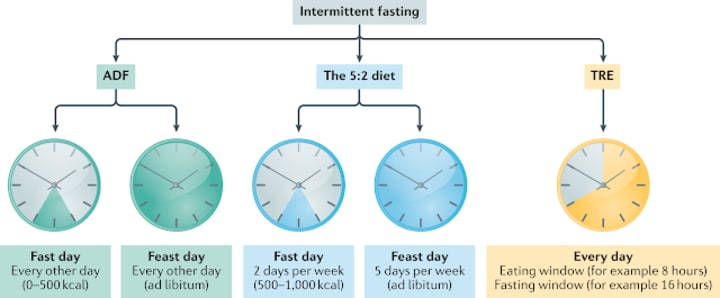
Intermittent fasting is an eating pattern that alternates between periods of eating and fasting. Unlike traditional diets that focus on what to eat, Intermittent Fasting focuses on when to eat. The most common methods include:
16/8 Method: Fasting for 16 hours and eating within an 8-hour window each day.
Eat-Stop-Eat: Fasting for 24 hours once or twice a week.
5:2 Diet: Eating normally for five days a week and reducing calorie intake to 500-600 calories on two non-consecutive days.
Alternate-Day Fasting: Alternating between fasting and eating days.
Warrior Diet: Consuming small amounts of raw fruits and vegetables during the day and eating one large meal at night.
The Science Behind Intermittent Fasting
The human body is designed to endure periods of food scarcity. During fasting, several changes occur at the cellular and molecular levels:
Hormonal Shifts:
Insulin levels drop, facilitating fat burning. Growth hormone levels increase, promoting muscle preservation and fat loss.
Cellular Repair:
Fasting triggers autophagy, a process where cells remove damaged components and regenerate.
Gene Expression:
Genes related to longevity and disease resistance are activated.
Latest Research on Intermittent Fasting
1. Weight Loss and Metabolic Health
A 2023 meta-analysis published in Nature Metabolism analyzed over 20 clinical trials on Intermittent Fasting. Researchers found that intermittent fasting is as effective as traditional calorie restriction for weight loss but with additional benefits for metabolic health. Participants experienced improved insulin sensitivity, reduced visceral fat, and lower triglyceride levels.
2. Longevity and Aging
A groundbreaking 2024 study from Cell Reports demonstrated that intermittent fasting activates certain longevity genes, including SIRT1 and AMPK. These genes enhance mitochondrial function, reduce oxidative stress, and slow the aging process. The study also highlighted the potential of Intermittent Fasting to increase lifespan in animal models, with promising implications for humans.
3. Brain Health and Cognitive Function
Recent research published in The Journal of Neuroscience revealed that intermittent fasting supports brain health by promoting neurogenesis and reducing inflammation. The study linked Intermittent Fasting to increased production of brain-derived neurotrophic factor (BDNF), which enhances memory and learning.
4. Gut Health
A 2024 study in Nature Communications explored the effects of intermittent fasting on the gut microbiome. Researchers discovered that fasting encourages the growth of beneficial bacteria, which improve digestion, immunity, and metabolic function.
5. Chronic Diseases
IF has shown promise in preventing and managing chronic diseases. For instance, a 2023 trial published in The Lancet Diabetes & Endocrinology found that alternate-day fasting significantly improved glycemic control in individuals with Type 2 diabetes. Other studies have linked IF to reduced risks of cardiovascular disease and certain cancers.
Benefits of Intermittent Fasting

Weight Management: By reducing calorie intake and improving metabolic rate, Intermittent Fasting aids in weight loss and maintenance.
Improved Insulin Sensitivity: Lower insulin levels facilitate fat burning and reduce the risk of Type 2 diabetes.
Heart Health: Reduced cholesterol, triglycerides, and blood pressure contribute to a healthier cardiovascular system.
Brain Function: Enhanced cognitive abilities and protection against neurodegenerative diseases such as Alzheimer’s.
Reduced Inflammation: IF decreases markers of inflammation, a root cause of many chronic diseases.
Simplified Lifestyle: With fewer meals to plan, IF simplifies daily routines.
How to Start Intermittent Fasting

Step 1: Choose a Method
Select a fasting protocol that suits your lifestyle. Beginners often find the 16/8 method the easiest to implement.
Step 2: Gradual Adaptation
Start with shorter fasting periods and gradually extend them. For instance, begin by fasting for 12 hours and increase the duration as your body adjusts.
Step 3: Prioritize Nutrition
Focus on nutrient-dense foods during eating periods. Include lean proteins, healthy fats, whole grains, fruits, and vegetables. Avoid processed foods and excessive sugar.
Step 4: Stay Hydrated
Drink plenty of water throughout the day. Herbal teas and black coffee are also permitted during fasting.
Step 5: Listen to Your Body
Pay attention to hunger cues and energy levels. Adjust your fasting schedule if necessary.
Potential Challenges and Solutions
Hunger and Cravings
Solution: Stay hydrated and distract yourself with activities.
Energy Dips
Solution: Gradually extend fasting periods to allow your body to adapt.
Social Constraints
Solution: Plan your fasting schedule around social events to avoid disruptions.
Who Should Avoid Intermittent Fasting?
While IF is generally safe for most people, it may not be suitable for:
Pregnant or breastfeeding women
Individuals with a history of eating disorders
Those with certain medical conditions, such as advanced diabetes or hypoglycemia
Individuals taking medications that require food intake
Consult a healthcare professional before starting Intermittent Fasting, especially if you have underlying health concerns.
The Future of Intermittent Fasting
As research progresses, scientists are uncovering new ways to optimize Intermittent Fasting for different populations. Personalized fasting protocols, guided by genetic and metabolic profiles, could become a reality. Additionally, combining IF with other lifestyle interventions, such as exercise and sleep optimization, may enhance its benefits.

Read more:
About the Creator
Galaxiesbuzz
Welcome to Galaxiesbuzz your one-stop destination for exploring the wonders of space, staying healthy, discovering new travel destinations, and staying informed with the latest knowledge. Our blog offers everything for everyone
Keep reading
More stories from Galaxiesbuzz and writers in Longevity and other communities.
The Solar Eclipse of 2025
The year 2025 brings an exciting astronomical event that sky-watchers worldwide are eagerly anticipating—the solar eclipse of 2025. A solar eclipse occurs when the Moon passes between the Earth and the Sun, temporarily blocking the Sun's light either partially or completely. The upcoming eclipse will provide a stunning celestial display that will be visible in several regions around the world. Everything you need to know about the 2025 solar eclipse, including its date, visibility, best locations to watch, safety tips, and interesting facts. If you're a space enthusiast or someone looking to witness this breathtaking event, keep reading!
By Galaxiesbuzzabout a year ago in Longevity
What Happens to Your Body When You Skip Meals Regularly
“I’ll eat later.” “I’m not that hungry.” “I’m too busy.” For many university students, skipping meals feels normal. But when student irregular eating becomes a habit, your body starts responding in ways you might not immediately notice.
By Being Inquisitive6 days ago in Longevity
The Weight of a Touch: Why My best Training Equipment Isn't made of Iron
The Weight of a Touch: Why My Best Training Equipment Isn't Made of Iron The air in a commercial gym is thick with more than just the smell of rubber mats and recycled oxygen. If you stop moving for a second and just observe, you’ll feel it—a heavy, invisible fog of human ambition, deep-seated anxiety, and the restless energy of people trying to outrun their own shadows. Most personal trainers see this environment as a simple workspace where calories are burned and muscles are built. But for me, the gym floor is a sanctuary where two souls meet in a very raw, vulnerable state. And because of what I’ve survived, I refuse to walk onto that floor without a very specific kind of protection.
By Feliks Karić6 days ago in Longevity


Comments (1)
Hey, just wanna let you know that this is more suitable to be posted in the Longevity community 😊