
Hydration Myths: What Science Really Says About How Much Water You Need
The truth about hydration, electrolytes, and why the “8-glasses-a-day” rule might be outdated.

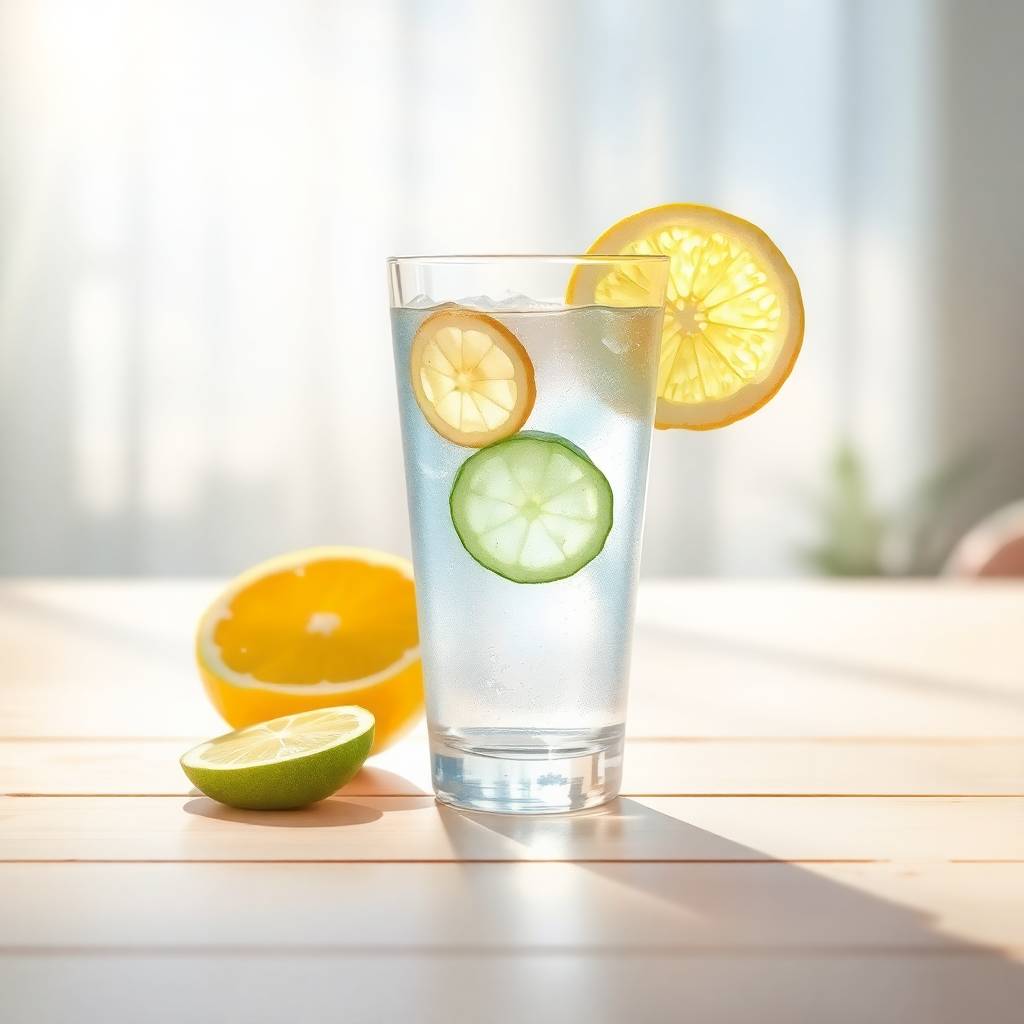
💧 The Myth We All Grew Up With
You’ve probably heard it since childhood — “Drink eight glasses of water every day.”
It’s one of those health tips that feels universal, like brushing your teeth or eating your veggies. But here’s the truth: there’s no real scientific evidence behind the “8x8 rule” (eight glasses of eight ounces).
In fact, hydration science is far more complex — and more personal — than we were taught.
According to researchers at the University of Wisconsin, our daily water needs depend on factors like age, body weight, climate, activity level, and diet. A marathon runner in Dubai and an office worker in London will have very different hydration requirements. So why do we keep hearing one-size-fits-all advice?
🧠 The Science of Thirst: Your Body Knows Best
Your body is smarter than any hydration chart. It comes equipped with an incredible built-in system — your thirst mechanism.
When you lose fluid through sweat, breathing, or even digestion, your brain detects slight increases in blood salt levels. It then releases a powerful message: “Drink water.”
Ignoring thirst isn’t healthy, but forcing yourself to drink excessive amounts can actually backfire. Overhydration (hyponatremia) happens when you dilute sodium levels in your blood, which can lead to fatigue, headaches, or even more serious conditions.
So, the best hydration advice may be the simplest: trust your thirst.
⚡ The Electrolyte Equation
Water alone doesn’t hydrate you — electrolytes make the magic happen.
These tiny minerals — sodium, potassium, magnesium, and calcium — help your body balance fluids, regulate muscle contractions, and keep your heart rhythm steady.
That’s why athletes often drink electrolyte-infused beverages after long workouts. But here’s the catch: most of us don’t need neon-colored sports drinks every day.
For light activity, natural electrolyte sources are enough:
A pinch of sea salt in your water
Coconut water
Fruit-infused water (try lemon, cucumber, or watermelon)
Or simply, a balanced diet with fruits and vegetables
Electrolytes aren’t just for athletes — they’re for everyone who wants to stay hydrated smartly, not excessively.
🥒 You Can Eat Your Water, Too
Hydration isn’t just about what you drink — it’s also about what you eat.
Roughly 20–30% of your daily water intake can come from food.
Some of the most hydrating foods include:
Cucumbers (96% water)
Watermelon
Lettuce and celery
Yogurt and soups
Eating these throughout the day helps maintain hydration naturally — without having to chug water every hour.
And here’s a bonus myth-buster: coffee and tea count as hydration too.
Contrary to old beliefs, moderate caffeine doesn’t dehydrate you. In fact, studies show that the fluid in your coffee or tea more than compensates for the mild diuretic effect of caffeine.
🕰️ Smart Hydration Habits for Everyday Life
You don’t need fancy bottles or expensive powders to stay hydrated — just consistency and awareness. Here are a few science-backed habits you can adopt:
Start your day with water.
One glass right after waking up helps replace fluids lost overnight.
Drink when you feel thirsty — not by schedule.
Your body knows best; learn to listen to it.
Eat water-rich foods.
Fruits, soups, and vegetables are underrated hydration sources.
Replace what you sweat out.
If you’re working out or sweating a lot, add a pinch of salt or an electrolyte drink.
Watch the color of your urine.
Pale yellow = good hydration. Dark yellow = you might need more water.
Avoid overhydration.
Too much water can dilute your minerals and make you feel sluggish.
🔬 What Science Says About “Optimal Hydration”
A 2022 study published in Science found that the “average” adult needs anywhere between 1.5 to 4 liters of water per day, depending on climate and activity. That’s a wide range — and it proves that hydration is personal.
The takeaway? There’s no universal rule.
What matters most is balance — enough water to support your body’s natural rhythm, but not so much that it overwhelms it.
🌊 The Bottom Line
Hydration is essential — but it’s not about quantity; it’s about awareness.
Instead of obsessing over numbers or bottles, learn your body’s signals. Drink when you’re thirsty, eat hydrating foods, and remember that true wellness comes from balance, not extremes.
So next time someone tells you to “drink eight glasses a day,” smile politely and take a sip — if you’re actually thirsty.
About the Creator
Keep reading
More stories from arsalan ahmad and writers in Longevity and other communities.
“Your Second Brain: How Gut Health Shapes Your Mood, Energy, and Creativity
I. The Gut Feeling I Ignored For years, I thought “gut health” was just another wellness buzzword. Kombucha bottles lined grocery shelves, influencers talked about probiotics, and yogurt ads promised “balance.” It all sounded like marketing fluff.
By arsalan ahmad5 months ago in Longevity
The Importance of Mutual Aid in Community Building
Mutual aid plays a vital role in strengthening communities by fostering cooperation, shared responsibility, and collective care. At its core, mutual aid is the voluntary exchange of resources and services for the mutual benefit of those involved. Unlike traditional charity, which often operates through a top-down model where resources flow from donors to recipients, mutual aid emphasizes solidarity and collaboration. Everyone participates as both a giver and a receiver of support, creating stronger social bonds and more resilient communities.
By Wesley Oler IV2 days ago in Longevity
TUS NUA - ch 53
TUS NUA – ch 53 New Beginnings – Mia and Midnight (*)(*)(*) Finola knew Ali’s brother-in-law needed to put his mind at rest. She fed her arm through his and led him outside. “We’ll sit here. If you like, I can put a block around us so our conversation will be private.”
By Margaret Brennan6 days ago in Fiction


Comments
There are no comments for this story
Be the first to respond and start the conversation.